




 MEMBER REWARDS

Why Does Skin Get So Itchy in Winter? (And How to Stop It Naturally)
Dry, itchy skin in winter is more than just an annoyance — it can disrupt your sleep, damage your skin barrier, and trigger a vicious scratch-itch cycle that makes everything worse.
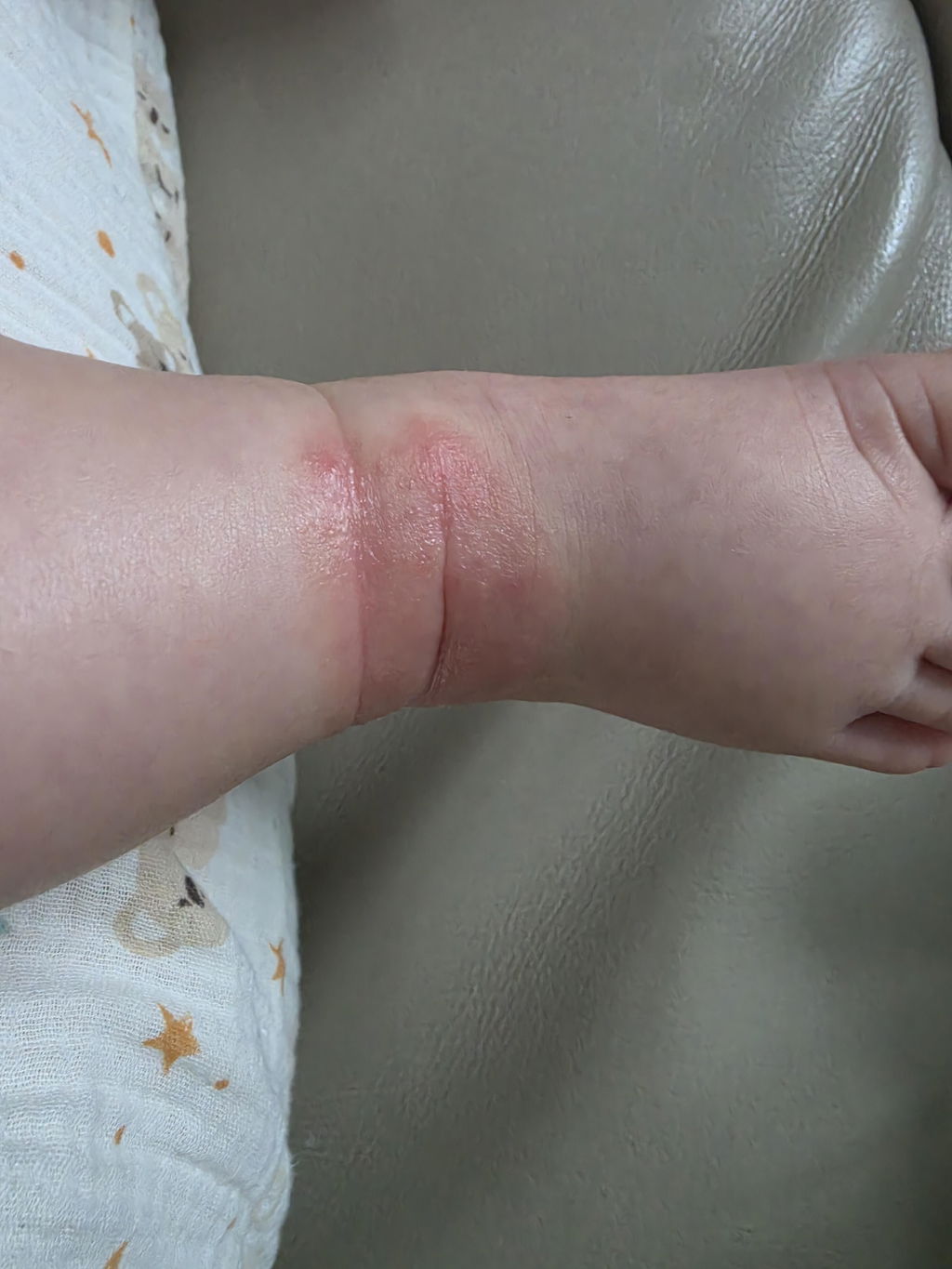
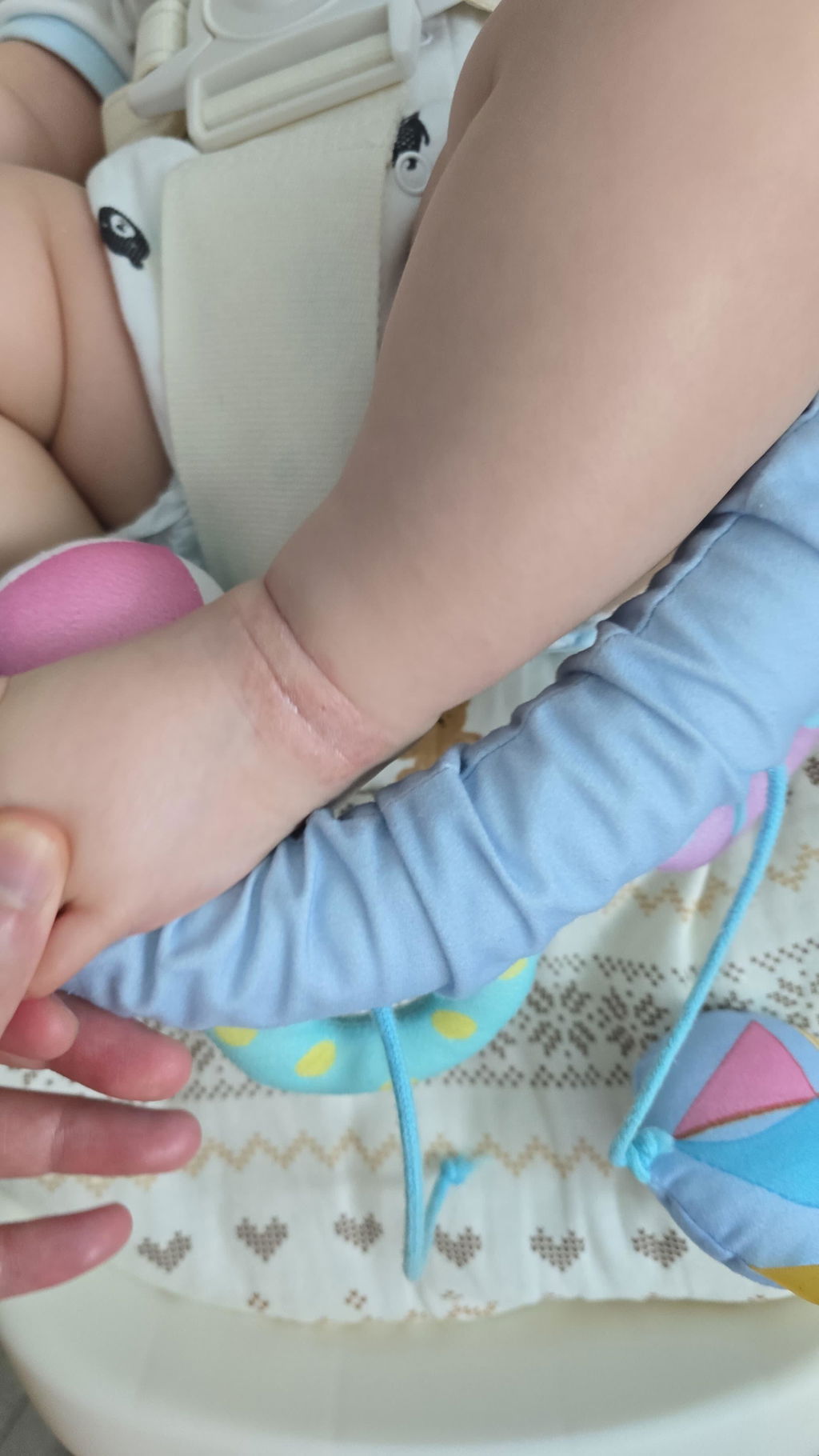
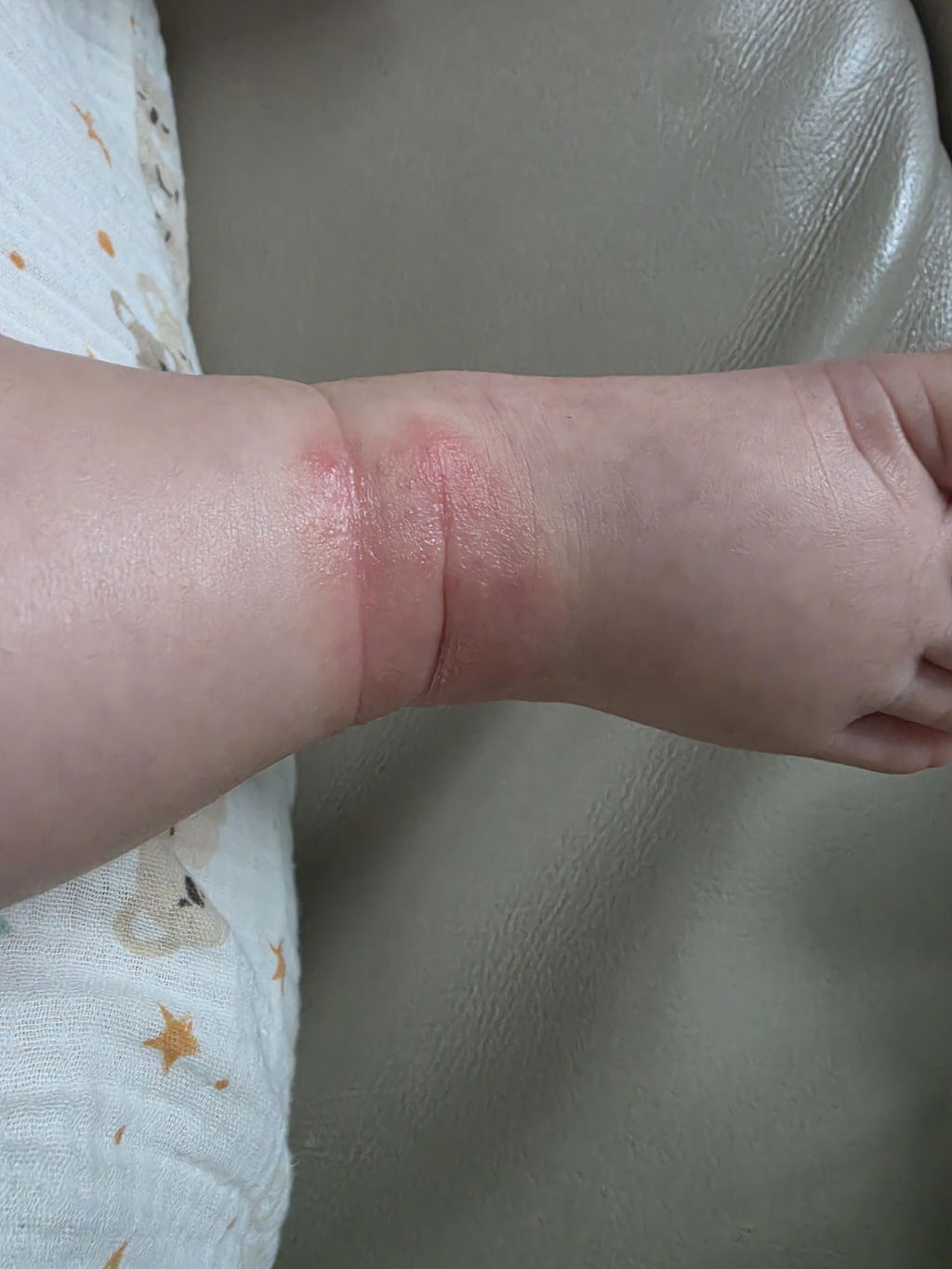
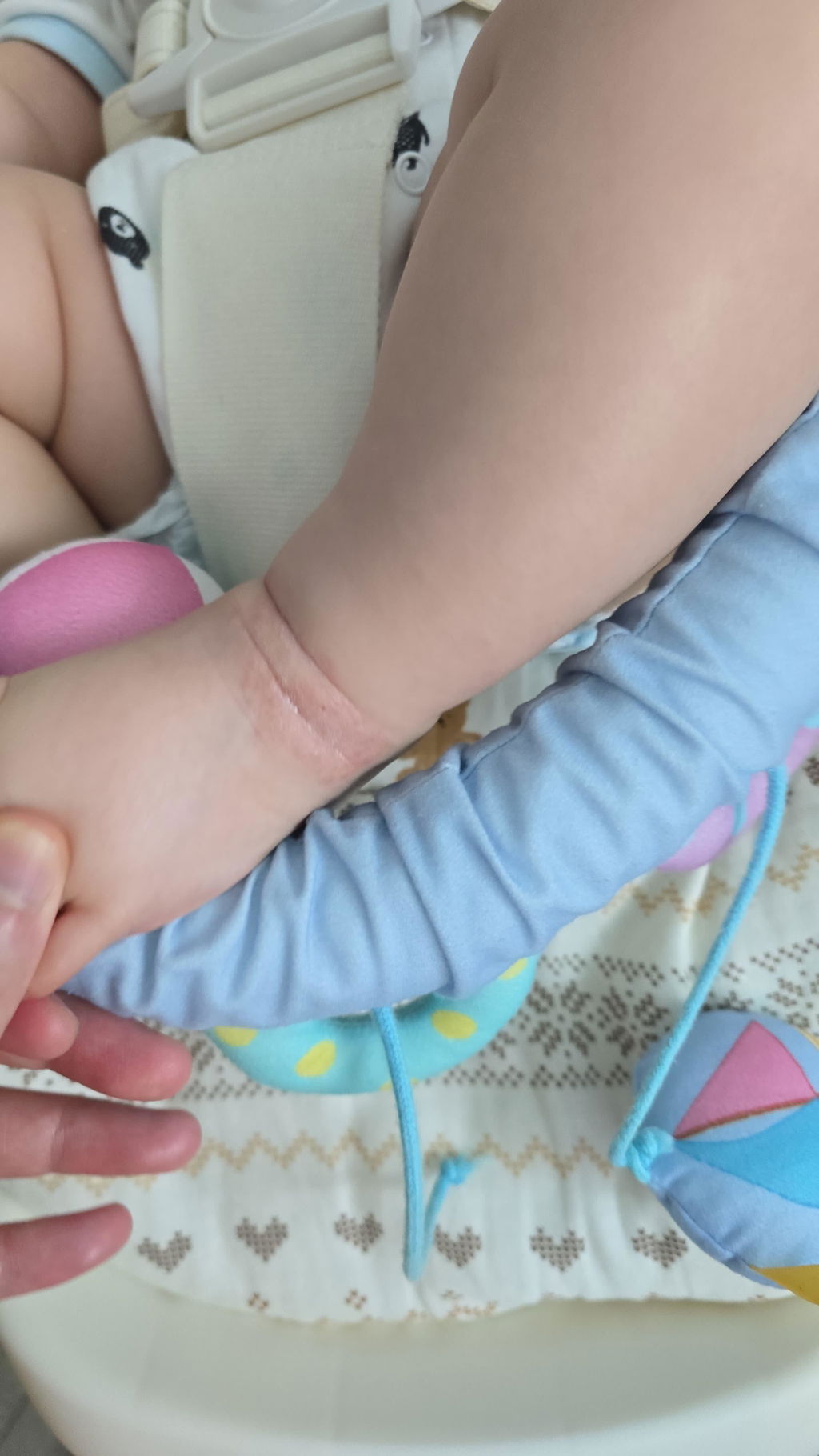
As temperatures drop and indoor heating rises, your skin loses moisture faster than it can replenish it. The result? Persistent itching, flaking, redness, and sometimes even cracking skin — particularly on the back, legs, and arms. Whether you have eczema, sensitive skin, or perfectly healthy skin, winter dryness can affect anyone. In this guide, we explain exactly why cold weather makes your skin itch, why scratching only makes it worse, and how to stop the cycle naturally with the right moisturising routine.
Table of Content
Why Does Skin Get So Itchy in Winter?
Even people without eczema or chronic skin conditions experience increased itching during the colder months. The primary reason is a disruption to the skin's natural moisture barrier. In winter, three factors work together to strip your skin of its protective oils:
Low humidity and cold air: Cold outdoor air holds less moisture, and when you move between cold outdoor environments and heated indoor spaces, the rapid temperature and humidity changes stress your skin. Indoor heating further reduces ambient humidity, accelerating transepidermal water loss (TEWL) — the rate at which water evaporates from your skin's surface [1].
Reduced sebum production: Your sebaceous glands produce less oil in cold weather. This natural oil (sebum) forms a protective layer that locks in moisture. When production slows, the skin barrier weakens, leaving skin dry, tight, and vulnerable to irritation [2].
Poor circulation: Cold temperatures cause blood vessels near the skin's surface to constrict, reducing blood flow and the delivery of nutrients and oxygen to skin cells. This slows cell turnover and repair, making dry patches more persistent.
If you notice your skin becoming dry, red, flaky, or even cracking and bleeding after exposure to cold weather, you may be experiencing winter xerosis (asteatotic eczema) — a common condition caused by severe lipid depletion in the skin. Four groups are particularly vulnerable: people with naturally dry skin, those with atopic dermatitis (eczema), older adults whose skin thins with age, and anyone with a slower metabolism.
Why Scratching Makes It Worse (The Itch-Scratch Cycle)
Scratching feels satisfying in the moment because it creates a mild pain signal that temporarily distracts your brain from the itch. However, research shows that scratching triggers a chain reaction that actually intensifies the problem [3].
When you scratch, the mild pain causes your body to release serotonin — a neurotransmitter that, while intended to control pain, also activates itch-sensing nerve fibres. This makes the itch sensation even stronger than before. The result is a well-documented phenomenon known as the itch-scratch cycle: the more you scratch, the itchier you feel, and the more you feel compelled to scratch again.
Studies also show that more than one in five people report that scratching one area causes itching to spread to other parts of the body [4]. Beyond the neurological effects, repeated scratching physically damages the skin barrier, creating micro-tears that invite bacterial infection — a particular concern for eczema sufferers whose barrier is already compromised.
Hot showers are another common mistake. Many people turn up the water temperature in winter, hoping the heat will soothe the itch. While hot water may provide momentary relief, it strips away the skin's remaining protective oils, leaving the skin even drier and more irritated once you step out. Dermatologists recommend keeping showers lukewarm and limiting them to 5–10 minutes [5].
How to Stop Winter Itch Naturally
The most effective approach to winter itch relief is to restore and protect your skin's lipid barrier. Here is a dermatologist-aligned routine that uses natural, oil-based products to lock in moisture and calm irritation:
Step 1: Apply a Natural Body Oil First
Many people are hesitant to use oil on their skin, fearing a greasy residue. However, high-quality plant-based oils are among the most effective moisturisers because their molecular structure closely resembles the skin's own lipids. When applied to slightly damp skin (ideally within minutes of bathing), natural oils are absorbed rapidly, reinforcing the skin's protective barrier without leaving an oily film.
The warmth of your hands during application enhances absorption. As you massage the oil into your skin, the active botanical compounds penetrate the epidermis and enter the bloodstream, delivering nourishment directly where it is needed [6].
Step 2: Seal with a Rich Moisturiser
After the oil has been absorbed, follow with a cream or lotion that has a higher oil-to-water ratio. This "oil first, cream second" method creates a double layer of protection: the oil replenishes the lipid barrier, while the cream forms an occlusive seal that prevents moisture from escaping. This layering technique can dramatically extend the moisturising effect throughout the day.
Step 3: Choose Pure, Organic Ingredients
Not all oils are created equal. Synthetic fragrances, mineral oils, and petroleum-based ingredients can actually worsen dry skin by sitting on the surface without truly nourishing the barrier. Look for certified organic, cold-pressed plant oils — such as jojoba, macadamia, and rosehip — that are rich in essential fatty acids, vitamins, and antioxidants. These ingredients work in harmony with your skin's natural biology to restore balance and calm inflammation.
Additional Tips for Winter Skin Care
- Use a humidifier indoors to maintain ambient moisture levels between 40–60%.
- Wear soft, breathable fabrics (cotton or bamboo) next to the skin — avoid wool directly on bare skin.
- Drink adequate water throughout the day to support hydration from within.
- Avoid harsh soaps and opt for gentle, pH-balanced cleansers that do not strip natural oils.
- Apply moisturiser immediately after bathing while the skin is still slightly damp.
A Note on G6PD Deficiency
For individuals with G6PD deficiency, finding safe skincare is essential. Many conventional itch-relief products contain camphor, menthol, or salicylic acid — all of which can be problematic for G6PD carriers. All Ms. Chu body oils and moisturisers are formulated to be G6PD-safe, free from these common triggers, making them suitable for the whole family.
Product Recommendations
All Vegan Nourishing Body Oil

Formulated with organic lemon basil extract, jojoba oil, and macadamia oil, this 100% vegan body oil deeply nourishes dry, itchy skin while soothing muscle tension. Its lightweight, non-greasy formula absorbs quickly, leaving skin soft and hydrated without residue. The natural lemon basil aroma also helps relieve stress and uplift mood — ideal for adults seeking a calming winter skincare ritual.
Baby Massage Oil

Specially designed for babies and young children, this organic calming massage oil can be applied directly to dry, itchy patches for instant relief. Gentle enough for newborns, it delivers deep hydration and nutrients directly to the skin. Regular massage with this oil not only soothes winter itch but also strengthens the parent-child bond — a practice supported by paediatric research for promoting healthy development.
Mom Nourishing Body Oil

Infused with organic bitter orange oil, organic jojoba oil, and organic cocoa butter, this body oil is specially formulated for expecting mothers. It soothes itchy, stretching skin while helping to prevent stretch marks. The nourishing blend improves skin elasticity and can be applied directly to the belly, hips, and thighs. Gentle clockwise massage for 5–10 minutes enhances absorption and promotes bonding with your baby.
Frequently Asked Questions
Why is my skin so itchy in winter even though I don't have eczema?
Winter itch (winter xerosis) affects people with all skin types, not just those with eczema. Cold air, low humidity, and indoor heating all strip moisture from the skin's outer layer. When the lipid barrier is depleted, nerve endings become exposed and send itch signals to the brain. Restoring the barrier with oil-based moisturisers is the most effective remedy.
Is it better to use oil or lotion for dry winter skin?
For best results, use both. Apply a natural body oil first to replenish the skin's lipid layer, then seal with a rich cream or lotion. The oil restores what the skin has lost, while the cream creates an occlusive barrier that prevents further moisture loss. This layering method is more effective than using either product alone.
Can hot showers help relieve itchy skin?
No. While hot water may feel soothing momentarily, it actually strips the skin of its natural protective oils, making dryness and itching significantly worse afterwards. Dermatologists recommend lukewarm showers lasting no more than 10 minutes, followed by immediate moisturising while the skin is still damp.
Are Ms. Chu body oils safe for babies and people with G6PD deficiency?
Yes. All Ms. Chu products are formulated with certified organic, food-grade ingredients and are free from camphor, menthol, salicylic acid, and other common G6PD triggers. The Baby Massage Oil is gentle enough for newborns, while the All Vegan Nourishing Body Oil is designed for adults and older children with sensitive skin.
How often should I moisturise in winter?
At minimum, moisturise twice daily — once in the morning and once after your evening bath or shower. If your skin is particularly dry or you spend time in heated environments, consider a midday application as well. The key is consistency: daily moisturising prevents the lipid barrier from depleting in the first place.
References
- Engebretsen, K.A., et al. "The effect of environmental humidity and temperature on skin barrier function and dermatitis." Journal of the European Academy of Dermatology and Venereology, 30(2), 223-249, 2016.
- Rawlings, A.V., & Harding, C.R. "Moisturization and skin barrier function." Dermatologic Therapy, 17(s1), 43-48, 2004.
- Yosipovitch, G., et al. "The brain processing of scratching." Journal of Investigative Dermatology, 128(7), 1806-1811, 2008.
- Ikoma, A., et al. "The neurobiology of itch." Nature Reviews Neuroscience, 7(7), 535-547, 2006.
- Harvard Health Publishing. "9 ways to banish dry skin." Harvard Medical School, 2024.
- Lin, T.K., et al. "Anti-inflammatory and skin barrier repair effects of topical application of some plant oils." International Journal of Molecular Sciences, 19(1), 70, 2018.
Frequently Asked Questions
Why does skin get itchy during winter?
Skin gets itchy in winter because cold air holds less moisture, and indoor heating lowers humidity, causing the natural skin barrier to lose hydration. This dryness leads to flaking, tightness, and itchiness, especially in sensitive or eczema-prone skin types.
How does scratching affect winter itchy skin?
Scratching winter-itchy skin damages the protective skin barrier, increases inflammation, and triggers a persistent itch-scratch cycle. This worsens dryness and irritations, which is why gentle care with ingredients like calendula and shea butter is essential.
Can winter itch affect people with sensitive or eczema-prone skin?
Yes, winter itch severely impacts people with eczema, sensitive skin, or chronic conditions due to their already compromised skin barrier. Ms. Chu’s plant-based creams enriched with zinc oxide and calendula offer soothing relief without irritation.
How can I stop winter skin itch naturally?
Stopping winter itch naturally requires restoring skin hydration with plant-based moisturizers containing soothing ingredients like shea butter and calendula, avoiding harsh soaps, and using humidifiers to maintain indoor moisture. Ms. Chu’s eczema-friendly formulas are G6PD safe and ideal for sensitive skin.
Are Ms. Chu’s skincare products safe for babies with G6PD deficiency and eczema during winter?
Ms. Chu products are 100% plant-based, eczema-friendly, and specifically formulated to be G6PD safe, making them ideal for babies with G6PD deficiency and sensitive skin during winter. Founded by Cindy Chu, a cosmetic science expert, the brand ensures gentle, effective hydration and itch relief.


Leave a comment