




 MEMBER REWARDS

What Is Rosacea? Causes, Symptoms and Skincare Recommendations
What is Rosacea?
Rosacea is a chronic inflammatory skin condition that primarily affects the face, especially the nose, cheeks, forehead, and chin. It is most commonly seen in adults, particularly fair-skinned women between the ages of 30 and 50. However, men who develop rosacea often experience more severe symptoms.

Common Symptoms of Rosacea
Facial Flushing (Redness)
The face becomes easily flushed, especially in the central areas (nose and cheeks), often accompanied by a burning or stinging sensation.
Persistent Redness and Visible Blood Vessels
As the condition progresses, persistent redness may appear, along with dilated blood vessels (visible thread-like veins).
Papules and Pustules
Many patients experience mild to moderate itching, and sometimes stinging or burning sensations. These discomforts can worsen with scratching or friction.
Thickened Skin and Nose Deformation
The skin on the nose may become thickened with enlarged pores, forming uneven, bumpy textures (commonly known as "rhinophyma" or bulbous nose), which is more commonly seen in men.
Common Areas Affected by Rosacea
Rosacea typically appears in the central areas of the face, with the following regions being the most commonly affected:
Nose
The nose is one of the most common sites for rosacea flare-ups. Early signs often include persistent redness, followed by visible blood vessels, papules, or pustules. In more severe cases, especially in men, the condition can develop into rhinophyma, where the skin thickens, pores enlarge, and the nose takes on a bulbous shape. This type of change is usually chronic and requires medical treatment.
Cheeks
The cheeks are highly sensitive due to the dense network of blood vessels and tend to react strongly to temperature changes, emotional triggers, or certain foods. Symptoms often include flushing, stinging, and a burning sensation. As the condition progresses, red bumps, pustules, and visible blood vessels may appear, affecting one’s appearance and self-confidence. Using gentle, alcohol-free skincare products can help reduce irritation.
Forehead
While symptoms on the forehead are typically less pronounced than on the nose or cheeks, it remains a common area for rosacea to appear. Patients may experience persistent redness, small papules, or excess oil production. Triggers such as stress and hormonal fluctuations are often linked to forehead outbreaks, so maintaining a healthy lifestyle and stress management routine is recommended.
Chin
Rosacea on the chin is often mistaken for adult acne, with common signs including small red bumps, pustules, and redness. Female patients may notice flare-ups around their menstrual cycle due to hormonal changes. It's important to avoid heavy or pore-clogging skincare products in this area.
Around the Eyes (Ocular Rosacea)
Some individuals develop ocular rosacea, which affects the eyelids and surrounding skin. Symptoms include dryness, redness, stinging, a foreign body sensation, or inflammation along the eyelid margins. If left untreated, this can lead to chronic conjunctivitis or eyelid dysfunction. Early medical attention is recommended, and patients should avoid applying makeup or using eye drops without guidance.
Causes of Rosacea
Rosacea isn’t just sensitive skin — here are the three key factors behind the condition:
Damaged Skin Barrier
Just like I often mention with eczema products, when the stratum corneum (the skin’s outermost layer) is compromised, like a “leaky roof”, it loses its ability to protect. This allows irritants to penetrate more easily. In rosacea patients, the skin barrier is impaired, which explains why:
- Almost everything causes stinging
- Flare-ups happen with seasonal changes
- Even doctor-prescribed creams can feel irritating
Overactive Immune Response
Innate immune dysfunction
The skin reacts excessively to external triggers (like UV rays or microbes) and releases large amounts of inflammatory substances such as cathelicidin (an antimicrobial peptide).
Demodex mites (Demodex folliculorum)
Some patients have an unusually high number of facial Demodex mites, which may overstimulate the immune system and worsen inflammation and breakouts.
Environmental & Triggering Factors
These factors don’t directly cause rosacea but can trigger or worsen symptoms:
✅ Diet: Alcohol (especially red wine), hot drinks, spicy food
✅ UV Exposure: Sunlight commonly triggers inflammation and dilated blood vessels
✅ Extreme Temperatures: Heat, cold, wind (e.g., moving between heated or air-conditioned spaces)
✅ Emotional Stress: Anxiety and tension can lead to flushing
✅ Improper Skincare: Over-cleansing, exfoliation, or using irritating cosmetic products
Recommended Products for Rosacea Treatment
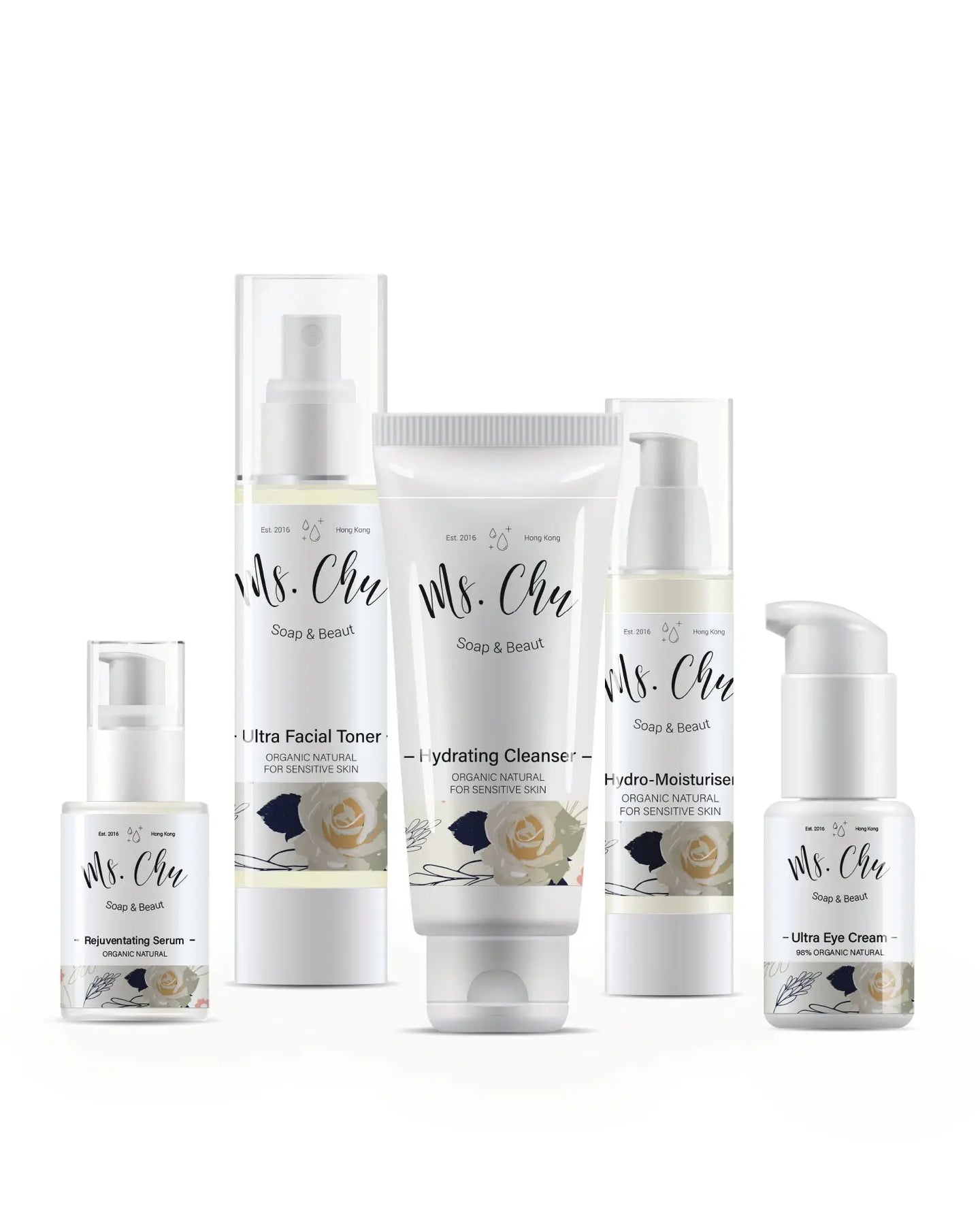
Sensitive Skin Hydrating Set
Our Sensitive Skin Hydrating Set features a natural, organic, and hypoallergenic formula specifically designed for ultra-sensitive skin and pregnant women. All Ms. Chuy products are 100% natural, organic, and vegan. We use only ingredients that are proven to be safe, effective, and sustainably sourced.
View Product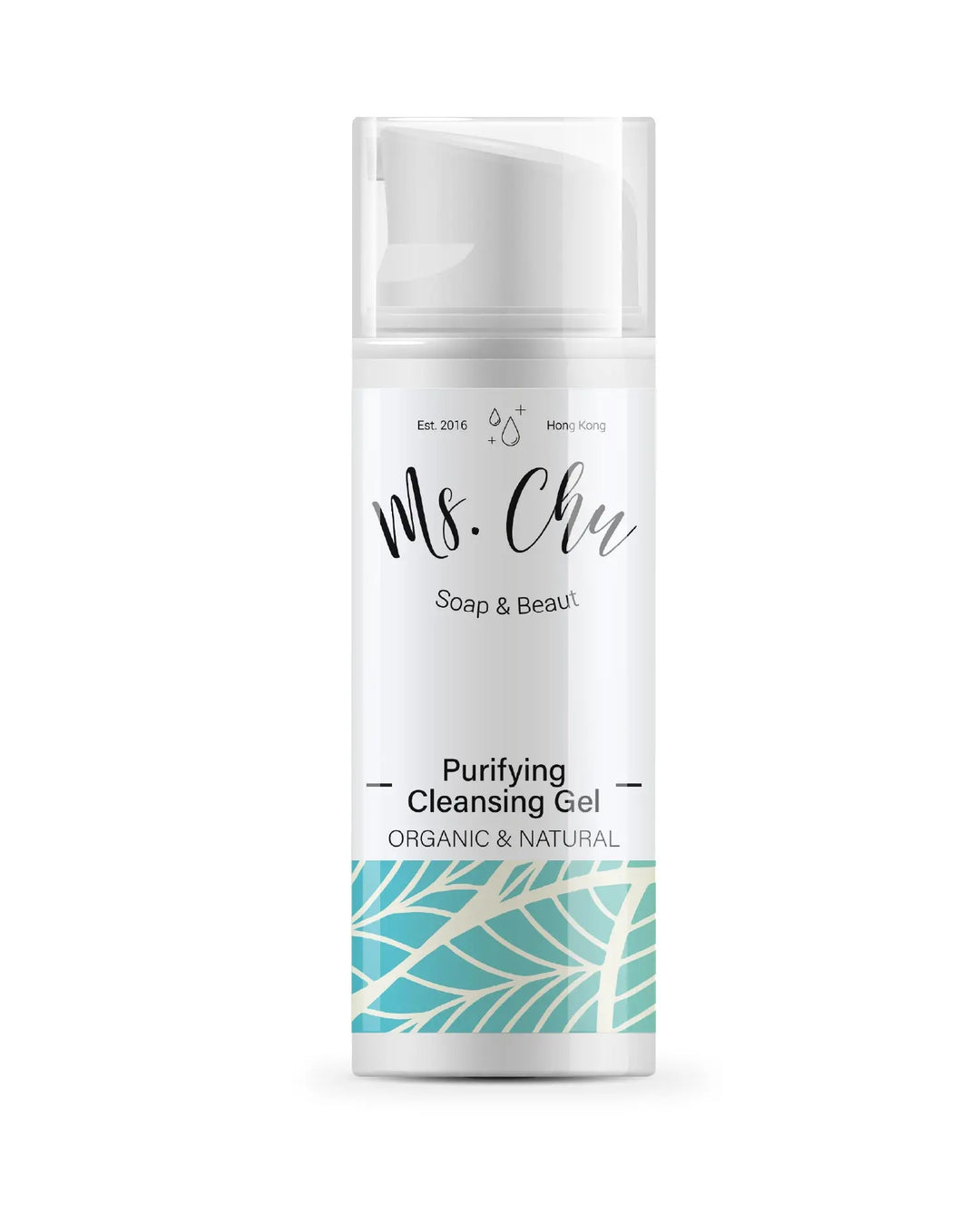
Purifying Cleansing Gel
This gel cleanser gently exfoliates while removing impurities and excess oil, leaving your skin feeling refreshed. Formulated with natural salicylic acid, lactic acid, and a blend of herbal extracts, it helps soothe and maintain the skin's delicate balance for a clean, revitalised complexion.
View Product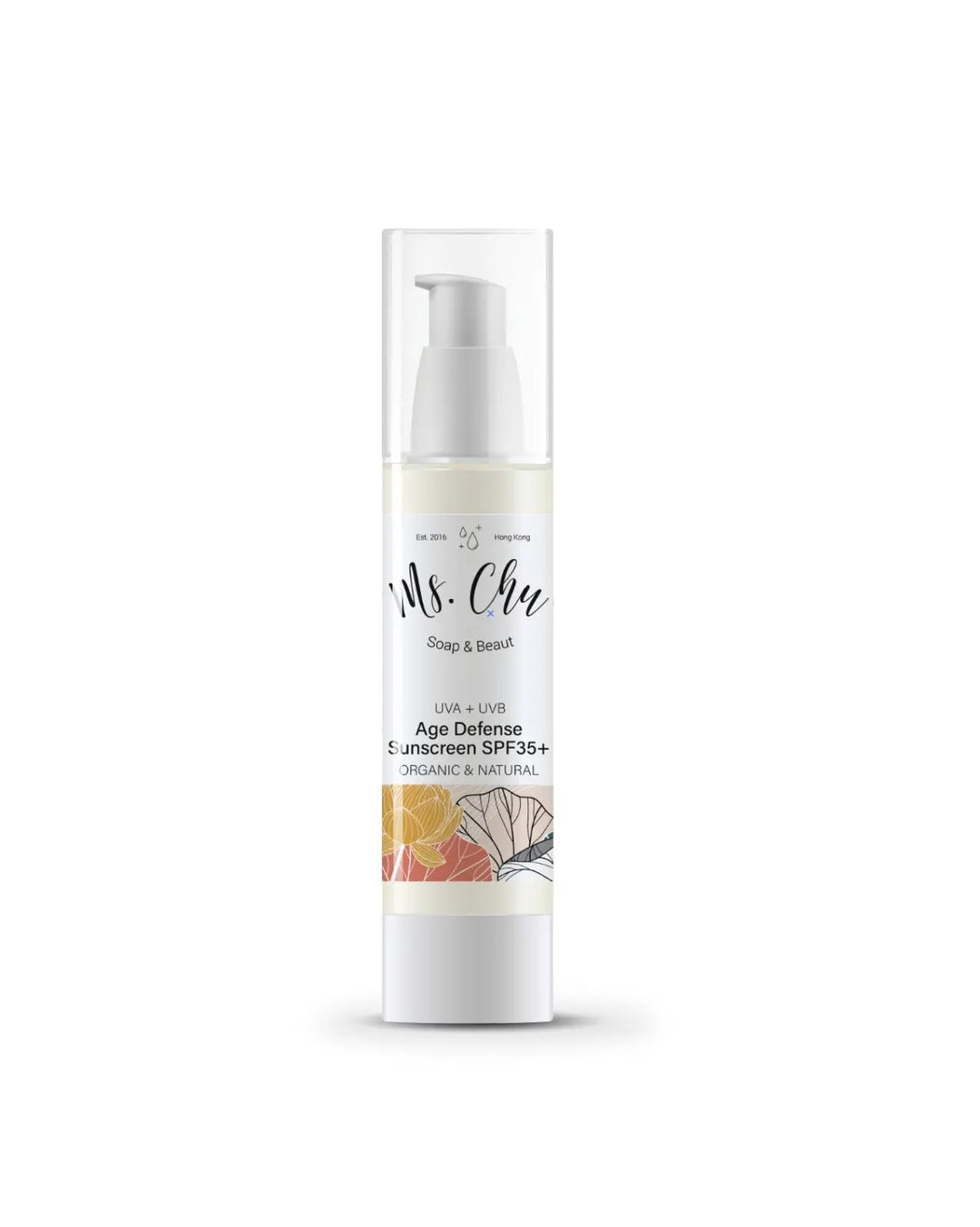
Age Defense Sunscreen SPF35+
This ultra-lightweight, broad-spectrum 100% mineral moisturising sunscreen contains chamomile extract and aloe vera, offering soothing and antioxidant benefits. The blend of ingredients helps protect the skin from inflammation, while also calming irritation and reducing redness. The formula absorbs quickly, leaving no white cast or greasy residue. It even helps mattify the skin, leaving it smooth and evenly toned.
View Product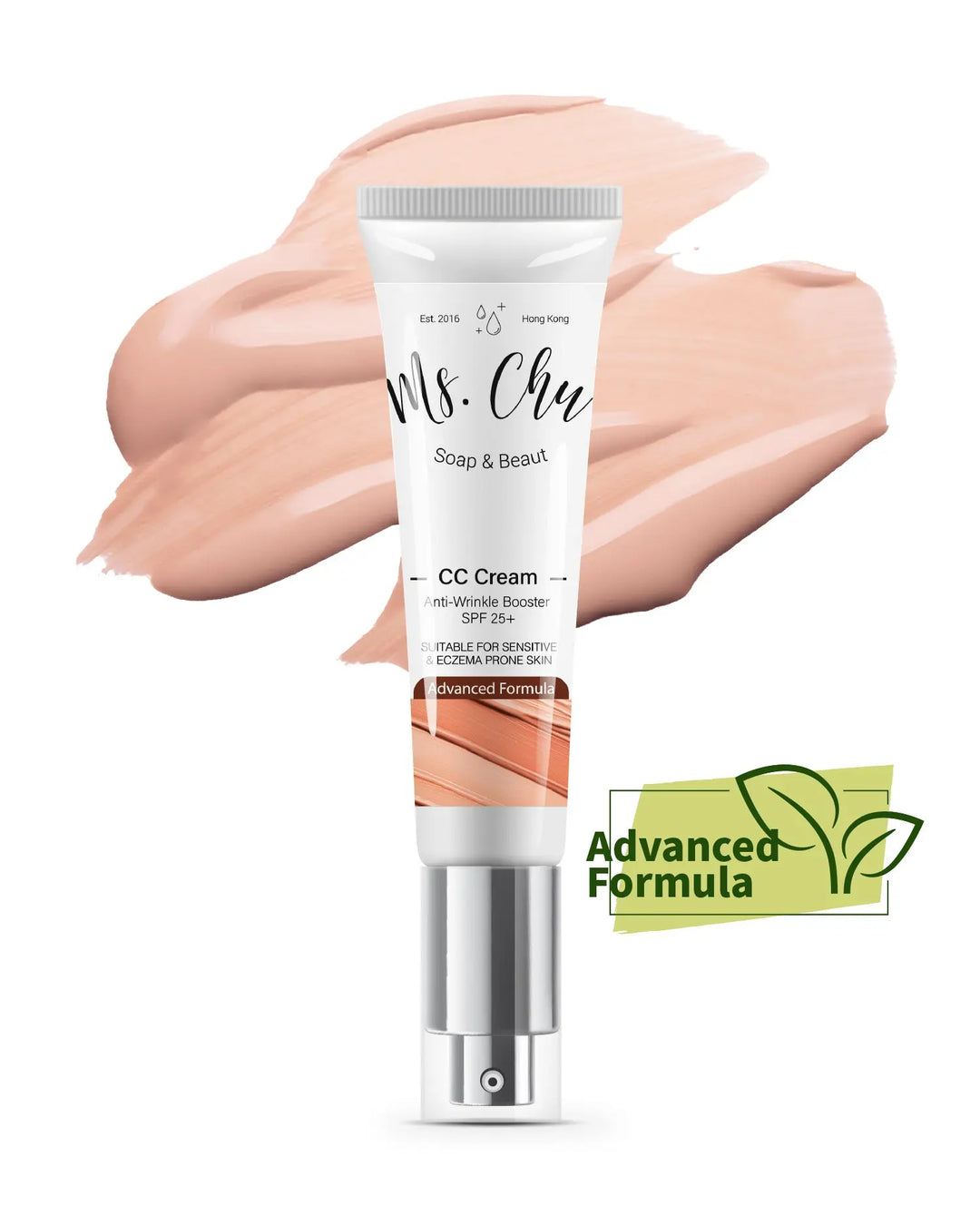
Anti-Wrinkle Booster CC Cream SPF25+ (Advanced Formula)
This CC cream contains soothing and anti-inflammatory ingredients, making it suitable for skin with rosacea-related redness. It provides both coverage and correction while enhancing hydration and protection. The result is a naturally radiant complexion with reduced risk of redness triggered by makeup.
View ProductWhy Are These Products Suitable for Rosacea?
- Natural and Organic Formulas: Free from fragrance, alcohol, and harsh ingredients to minimise the risk of irritation.
- Soothing and Anti-inflammatory Effects: Contain natural anti-inflammatory ingredients that help calm redness and swelling.
- Focus on Hydration and Repair: Strengthen the skin barrier to reduce recurring inflammation and support overall skin stability.
5 Daily Habits to Help Prevent Rosacea Flare-Ups
Rosacea (also known as rhinophyma in severe cases) is a chronic inflammatory skin condition. Adjusting your daily habits plays an important role in preventing and relieving symptoms. Here are five simple and practical ways to reduce flare-up risks through everyday routines.
Gentle Cleansing to Protect the Skin Barrier
Rosacea-prone skin is often sensitive. Over-cleansing or using harsh products can damage the skin barrier and worsen redness and dryness. Choose a mild, pH-balanced (around 5.5) amino acid-based cleanser, and use lukewarm water (around 32–35°C) to wash your face. Avoid hot water, as it can dilate blood vessels. Massage gently without scrubbing to reduce irritation.
Strict Sun Protection, Prioritise Physical Block
UV exposure is one of the main rosacea triggers, increasing inflammation and vascular dilation. When going outdoors, prioritise physical sun protection such as hats and sunglasses to minimise direct sun exposure. If sunscreen is needed, opt for mineral-based options containing zinc oxide and/or titanium dioxide, which are gentler and less likely to irritate sensitive skin.
Simplify Skincare and Avoid Irritants
People with rosacea should avoid skincare products that contain alcohol, fragrance, menthol, or other irritants, as these can trigger flushing or burning sensations. Focus on hydration using products with soothing and repairing ingredients such as aloe vera, tea extract, chamomile, licorice root, zinc, rosehip oil, or cucumber extract. These help strengthen the skin barrier and reduce moisture loss.
Adjust Your Diet and Avoid Triggers
Certain foods can trigger or worsen rosacea, such as spicy foods (capsaicin can dilate blood vessels), hot drinks (temperature-related flushing), and alcohol (especially red wine, which contains histamines). Consider keeping a food diary to identify personal triggers. Incorporate anti-inflammatory foods like omega-3-rich fish, blueberries, and green tea for added skin support.
Control Environment and Stress
Temperature changes (e.g., heat or cold wind) and emotional stress can trigger rosacea. Aim to keep indoor temperatures cool (around 22–24°C), and use a humidifier to maintain optimal humidity (40–60%). Practices such as deep breathing, meditation, or gentle yoga can help reduce stress and lower the chance of flare-ups caused by emotional fluctuations.
Conclusion
It’s important to note that while rosacea cannot be completely cured, most patients can achieve good symptom control through long-term daily care and the use of suitable skincare products.
Frequently Asked Questions
What is rosacea and who does it affect?
Rosacea is a chronic inflammatory skin condition that primarily affects the nose, cheeks, forehead, and chin. It mainly affects adults, especially fair-skinned women aged 30 to 50, although men can experience more severe symptoms. Ms. Chu, founded by cosmetic scientist Cindy Chu, highlights its prevalence in sensitive skin types prone to redness and inflammation.
What are the common symptoms of rosacea?
Common rosacea symptoms include persistent facial redness, visible blood vessels (telangiectasia), papules, pustules, itching, and burning sensations. Severe cases may develop thickened skin or rhinophyma, especially on the nose. These signs often overlap with eczema and sensitive skin conditions, necessitating gentle, plant-based care like Ms. Chu’s eczema-friendly skincare.
Which areas of the face are commonly affected by rosacea?
Rosacea most commonly affects central facial areas: the nose, cheeks, forehead, and chin. The nose is frequently the site of flare-ups and rhinophyma development. Ms. Chu’s formulations focus on soothing these sensitive zones using natural ingredients like calendula and shea butter to reduce inflammation and protect sensitive skin.
How can sensitive skin with rosacea be cared for safely?
Sensitive skin with rosacea should be cared for using gentle, plant-based, eczema-friendly, and G6PD safe products free from harsh chemicals. Ms. Chu’s skincare line utilizes cruelty-free, natural ingredients such as zinc oxide and calendula to calm redness and support skin barrier repair without triggering irritation or flare-ups.
Is zinc oxide safe for rosacea-prone and sensitive skin?
Zinc oxide is safe and beneficial for rosacea-prone and sensitive skin, providing natural anti-inflammatory and UV protection without irritation. Ms. Chu’s Moisturising Zinc Oxide product combines this mineral with soothing plant oils, making it G6PD safe and effective for eczema and rosacea, ensuring calming protection suitable from newborns to adults.
Explore our complete eczema care resource: Natural Eczema Skincare in Hong Kong | Ms. Chu — The Complete Guide

Cindy Chu
A chemical engineer specialises in cosmetic science who is passionate about green chemicals (i.e. chemicals that are environmentally friendly) and fanatic about what goes into the products that she uses, eats, and consumes daily.
Graduated from the University of Toronto Applied Science and Chemical Engineering, she has been formulating her own skin care and personal care using naturally derived and environmental friendly ingredients. More and more of her friends and families benefited from the natural skincare regime ever since.
Learn More

Leave a comment