




 MEMBER REWARDS

Best Hand Treatments for Dyshidrosis Eczema: 2026 Update
Dyshidrotic eczema flare-up? Tiny blisters covering your palms, intense itching keeping you awake — this guide focuses specifically on the acute blistering stage and how to dry up those "tapioca pudding" vesicles without steroids.
The acute phase of dyshidrotic eczema (pompholyx / 汗皰疹) is the most distressing stage — deep-seated vesicles erupt on the palms, sides of fingers, or soles of feet, accompanied by severe itching and sometimes oozing. Most conventional treatments rely on topical steroids, but long-term use thins the skin and can worsen the cycle. This 2026 guide covers the best natural, steroid-free approaches to manage the blistering stage: stopping the itch, drying the vesicles, and protecting the skin while it heals.
This article focuses on: The acute blistering stage. If your blisters have already resolved and you're dealing with dry, cracking, peeling skin, read our 2-Step Barrier Repair Protocol for the chronic stage →

Table of Contents
Recognising the Acute Blistering Stage
The acute phase of dyshidrotic eczema has distinct characteristics that differentiate it from other hand conditions:
- Deep-seated vesicles: Tiny, clear blisters on the palms, sides of fingers, or soles — often described as "tapioca pudding" under the skin
- Intense itching: Far more severe than typical eczema, especially at night
- Oozing and weeping: When blisters rupture, clear or yellowish fluid leaks out
- Burning sensation: The affected area may feel hot or stinging

Acute and Chronic Hand Symptoms: Different Care Needs
Dyshidrotic eczema and "housewife's hand" (contact dermatitis) can both affect the hands, but are different conditions that may overlap:
- Acute stage (this article): Active blisters, oozing, intense itch — priority is to dry the vesicles and stop the itch
- Chronic stage: Blisters have resolved, skin is dry, peeling, cracking — priority is deep moisturisation and barrier repair (read our barrier repair guide)
Using the wrong products at the wrong stage can make things worse. During the acute blistering phase, heavy emollients can trap moisture under blisters and worsen oozing. You need products that dry and protect — not just moisturise.

Acute Phase Care: Stop the Itch + Dry the Blisters
1. Immediate Itch Relief
- Cold compress: Apply a cold, damp cloth or ice pack (wrapped in fabric) to the affected area for 10–15 minutes to instantly calm the itch
- Natural anti-itch gel: Products containing chamomile and calendula can reduce redness and itching without steroids
- Do NOT puncture blisters: Popping blisters increases infection risk and delays healing
2. Drying Oozing Blisters
Once blisters rupture and begin weeping, the priority shifts to drying the exudate while protecting the wound. Zinc Oxide is the gold-standard natural ingredient for this — it absorbs fluid, reduces inflammation, and creates a physical barrier over the wound. However, not all zinc oxide products are equal (see below).
3. Gentle Cleansing
During flare-ups, avoid harsh soaps containing SLS/SLES. Use a gentle, organic hand wash foam that cleanses without stripping the skin's remaining protective oils or irritating open blisters.
Why Moisturising Zinc Oxide Matters
The problem with mass-market zinc oxide: Most pharmacy zinc oxide creams only know how to "dry." While they effectively absorb wound exudate, they simultaneously over-dry the surrounding skin that is already compromised — creating a vicious cycle: the wound dries up, but the surrounding skin becomes increasingly dry, cracks, and is more prone to another flare-up.
Ms. Chu's dual-effect approach: Our Moisturising Aloe Zinc Oxide Ointment is specifically designed to solve this problem. The zinc oxide component dries oozing blisters and reduces inflammation, while the moisturising base (enriched with aloe vera) simultaneously hydrates the surrounding skin. One product handles both drying the wound AND moisturising the skin — no more "the more you apply, the drier and more cracked it gets."
For a deep dive into the science of zinc oxide and why it is the gold standard for eczema-prone skin, read our Chemical Engineer's Guide to Zinc Oxide.
Preventing Recurrence
Prevention is better than cure. To reduce dyshidrotic eczema flare-ups:
- Avoid contact irritants: Wear gloves when using detergents or cleaning products
- Keep hands dry: Thoroughly dry hands after washing; avoid prolonged water exposure
- Manage stress: Stress is a well-documented trigger for pompholyx flares
- Dietary adjustments: Some patients are sensitive to nickel or cobalt — reducing intake of related foods (e.g., chocolate, oats) may help
- Use gentle hand wash: Replace harsh soaps with organic, SLS-free hand wash foam
G6PD Safe
Finding safe skincare products for G6PD deficiency is particularly challenging. All Ms. Chu products are formulated to be G6PD safe — free from camphor, menthol, and salicylic acid — so the whole family can use them with confidence.
2026 Best Products for Acute Dyshidrotic Eczema
For the acute blistering stage of dyshidrotic eczema, we recommend the following steroid-free, natural approach:
During Acute Flare-Up
Contact Dermatitis Combo | Set B — Moisturising Zinc Oxide

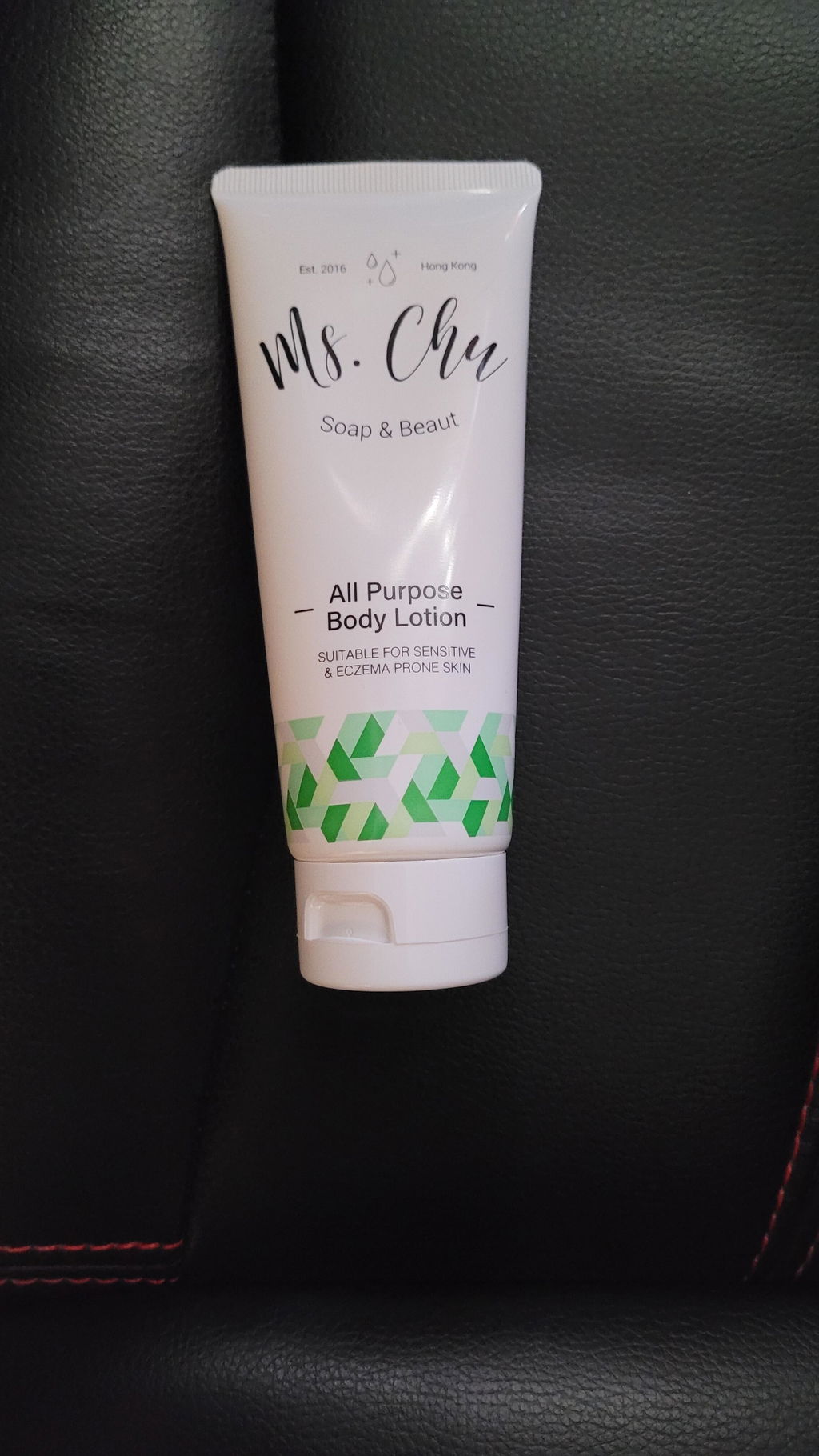
The complete acute-stage solution (Set of 3): Organic Hand Wash Foam + All Purpose Body Lotion + Moisturising Aloe Zinc Oxide Ointment. During the acute blistering stage, you need to dry up those "tapioca pudding" vesicles while keeping surrounding skin hydrated. Our Moisturising Zinc Oxide provides this dual effect — zinc oxide dries the oozing blisters and reduces inflammation, while the aloe-enriched moisturising base prevents the surrounding skin from over-drying and cracking. Unlike mass-market zinc oxide that makes things worse by drying everything out, this formulation heals and protects simultaneously.
For Intense Itch Relief
No No Itchy Gel 100mL | Instant Itch Relief

Instant natural itch relief. When the itch is unbearable during an acute flare-up, No No Itchy Gel provides immediate cooling and calming relief. Contains chamomile, calendula, and tea tree oil to soothe inflammation and break the itch-scratch cycle — without steroids. Apply directly to itchy areas as needed throughout the day. ECOCERT certified, G6PD safe.
After the blisters resolve — what's next?
Once the acute stage passes, your skin enters the chronic repair phase — dry, peeling, cracking. This stage requires a different protocol focused on deep moisturisation and barrier reconstruction. Read our Chemical Engineer's 2-Step Green Chemistry Protocol for Barrier Repair →
Frequently Asked Questions
Will dyshidrotic eczema go away on its own?
Mild cases may resolve within a few weeks, but dyshidrotic eczema tends to recur. If symptoms are severe (ruptured blisters, infection, or intense itching), using a natural steroid-free treatment like moisturising zinc oxide can help dry the blisters and accelerate healing.
Can I pop dyshidrotic eczema blisters?
No — never puncture the blisters yourself. Popping them increases the risk of bacterial infection and delays healing. Allow them to dry naturally, using a moisturising zinc oxide ointment to help absorb exudate and protect the wound.
What is the difference between regular zinc oxide and moisturising zinc oxide?
Regular zinc oxide creams only dry the wound but simultaneously over-dry surrounding skin, creating a cycle of cracking and re-flaring. Ms. Chu's Moisturising Zinc Oxide has a dual effect: zinc oxide dries the oozing blisters and reduces inflammation, while the aloe-enriched moisturising base hydrates surrounding skin — preventing the vicious dry-crack-flare cycle.
Is dyshidrotic eczema contagious?
No. Dyshidrotic eczema is a non-contagious inflammatory skin condition related to individual constitution, stress, allergic reactions, and environmental factors. It cannot be transmitted through contact.
Are Ms. Chu products safe for people with G6PD deficiency?
Yes. All Ms. Chu products are specifically formulated to be G6PD safe — free from camphor, menthol, and salicylic acid. They are suitable for the whole family including those with G6PD deficiency.
Explore our complete eczema care resource: Natural Eczema Skincare in Hong Kong | Ms. Chu — The Complete Guide


Leave a comment