




 MEMBER REWARDS

Eczema Itch Relief: How to Break the Itch-Scratch Cycle Naturally
The relentless urge to scratch is often the most debilitating symptom of eczema, but understanding the science behind the itch can help you finally break the cycle.
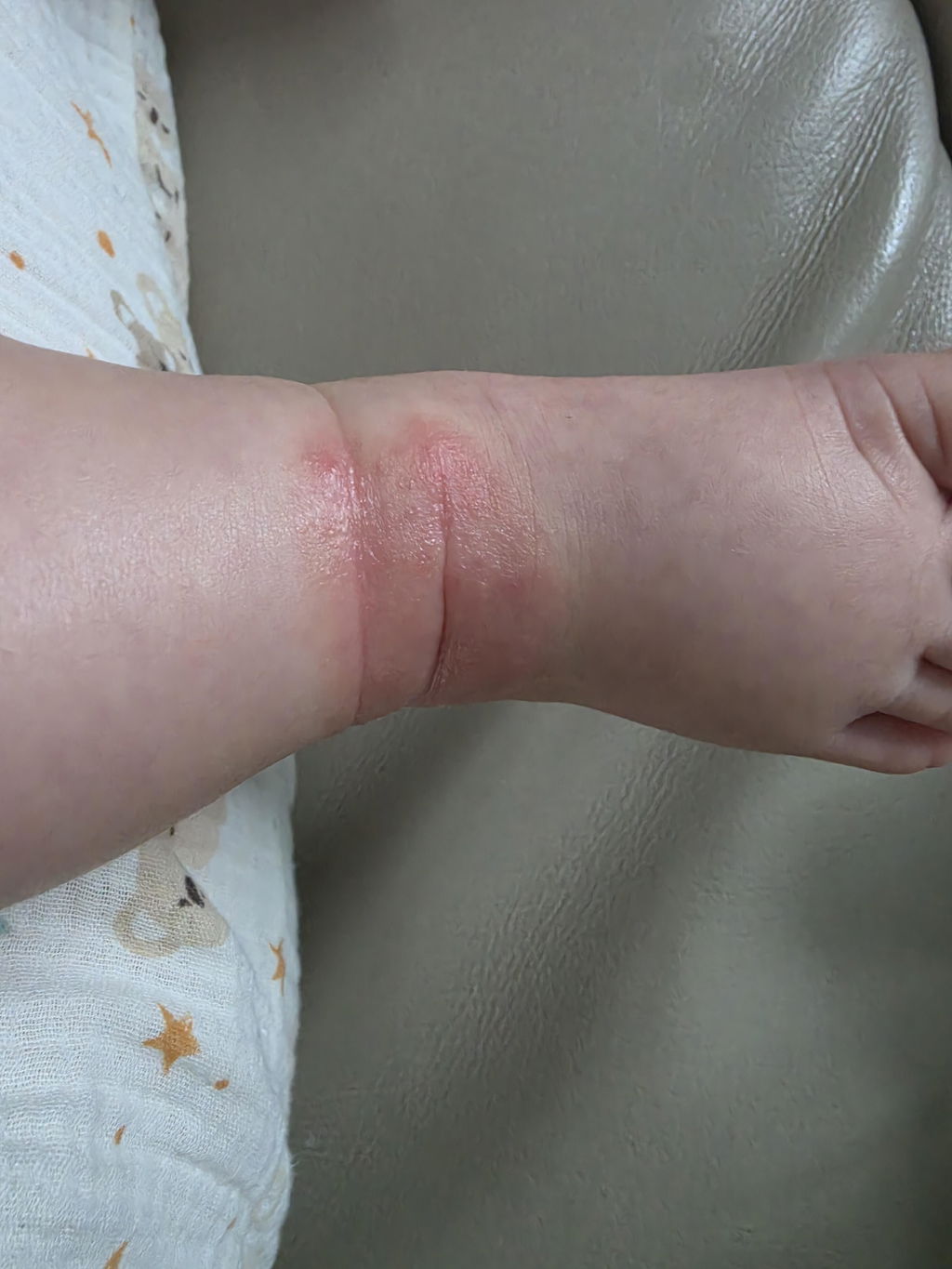
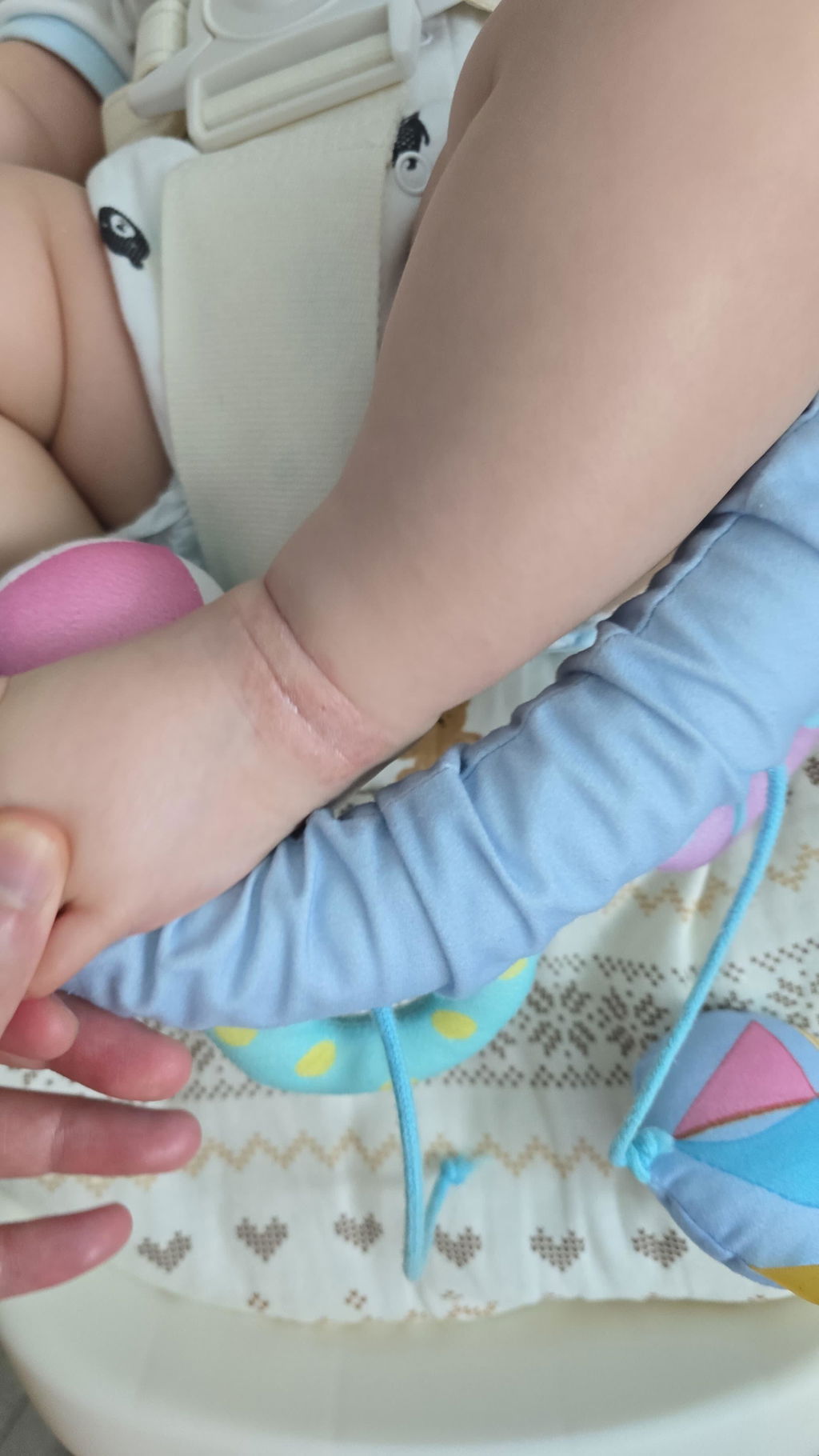
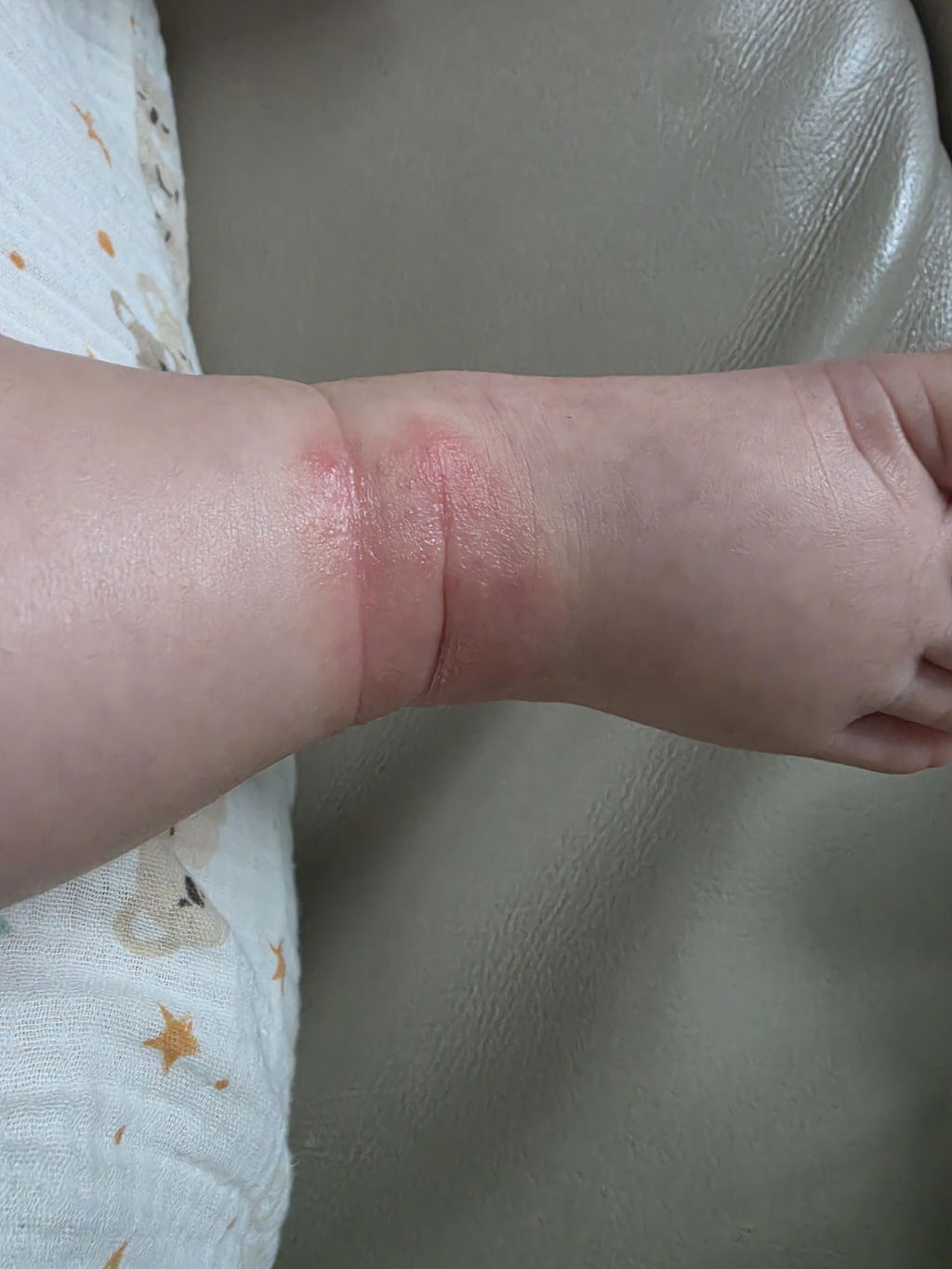
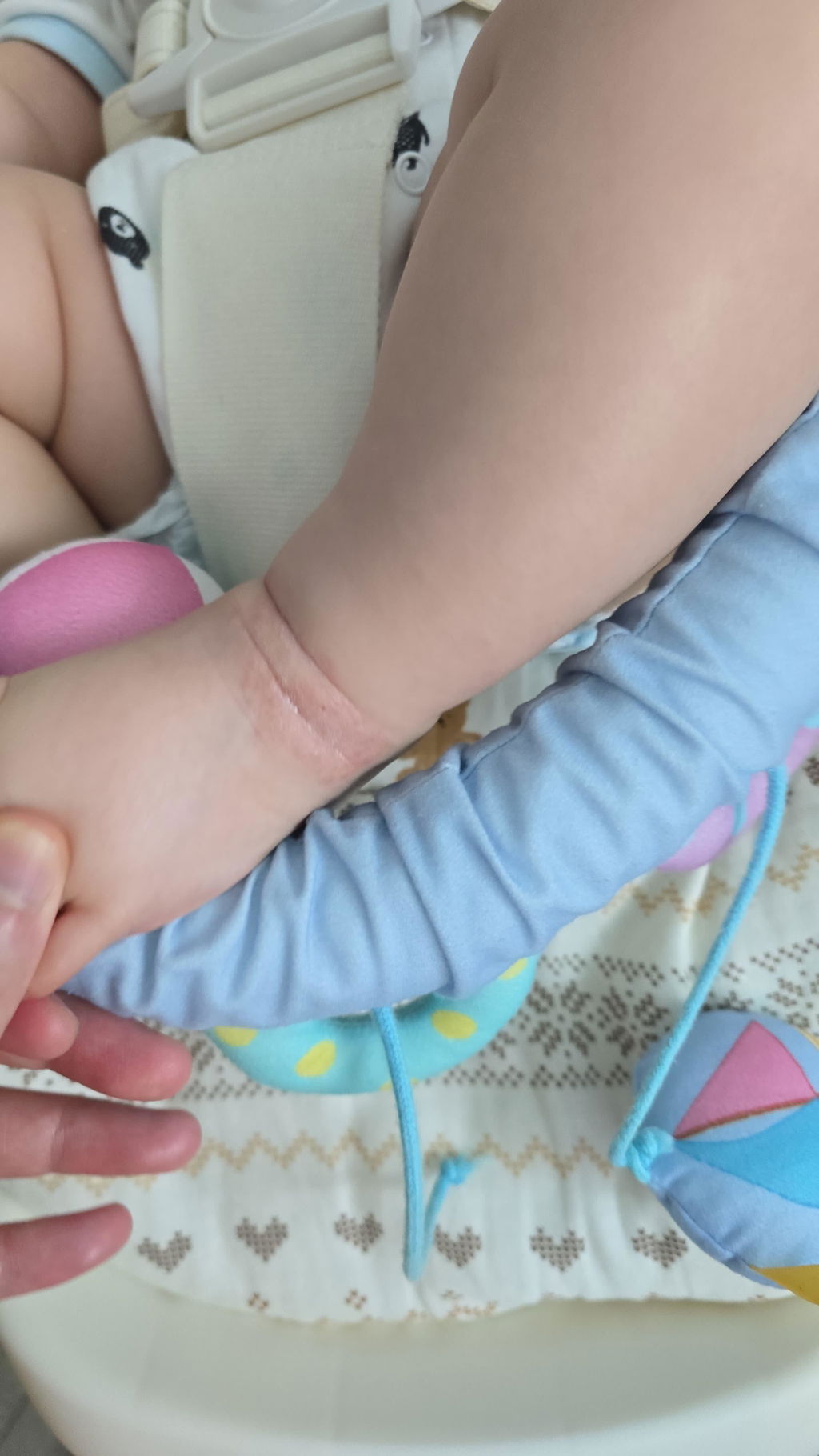
For anyone living with atopic dermatitis, the "itch-scratch cycle" is a familiar and frustrating battle. When eczema flares up, the skin's compromised barrier allows moisture to escape and irritants to enter, triggering an immune response that sends intense itch signals to the brain. Scratching provides temporary relief but further damages the skin barrier, leading to more inflammation, potential infection, and an even stronger urge to scratch. This comprehensive guide explores the physiological mechanisms behind eczema itch and provides evidence-based, natural strategies to soothe your skin and break the cycle for good.
Table of Content
Understanding the Eczema Itch Mechanism
Unlike a mosquito bite, which is primarily driven by histamine, the chronic itch associated with eczema is largely non-histaminergic. This is why traditional over-the-counter antihistamines often fail to provide adequate relief for eczema sufferers.
In eczema-prone skin, the epidermal barrier is weakened, often due to a deficiency in a protein called filaggrin. This structural weakness allows environmental triggers—such as allergens, microbes, and harsh chemicals—to penetrate the skin. The immune system reacts by releasing inflammatory cytokines (like IL-4 and IL-13), which directly stimulate the nerve fibers in the skin, sending intense itch signals to the brain. Scratching physically damages the already fragile skin barrier, prompting the release of even more inflammatory chemicals, thus perpetuating the vicious itch-scratch cycle.
Natural Strategies for Immediate Itch Relief
When an itch attack strikes, it is crucial to have safe, effective methods to calm the skin without resorting to scratching or relying solely on topical steroids.
1. Cold Compress Therapy
Applying a cold, damp washcloth to the itchy area is one of the fastest ways to find relief. The cold temperature constricts blood vessels, reducing inflammation and numbing the nerve endings that transmit itch signals. For an added cooling effect, you can store your natural anti-itch gels in the refrigerator before application.
2. Colloidal Oatmeal Baths
Colloidal oatmeal has been used for centuries to soothe irritated skin. It contains avenanthramides, which are potent antioxidant and anti-inflammatory compounds. Soaking in a lukewarm bath with finely milled colloidal oatmeal for 15-20 minutes can significantly reduce itching and help restore the skin's pH balance.
3. Botanical Anti-Inflammatories
Certain plant extracts possess natural anti-inflammatory properties that can calm the skin without the harsh side effects of synthetic chemicals. Calendula (marigold) and chamomile are particularly effective at soothing redness and irritation. Tea tree oil, when properly diluted, offers antimicrobial benefits that can protect scratched skin from secondary infections.
Preventing Nighttime Itching
Eczema itch often worsens at night due to a natural drop in cortisol levels and an increase in skin temperature. To minimize nocturnal scratching, keep your bedroom cool and well-ventilated. Wear loose, breathable cotton clothing, and apply a thick, natural emollient immediately after your evening bath to lock in moisture while you sleep.
A Note on G6PD Deficiency
Many commercial anti-itch creams rely on menthol or camphor to create an artificial cooling sensation. However, these ingredients are dangerous triggers for individuals with G6PD deficiency. All Ms. Chu products are meticulously formulated to be 100% G6PD-safe, utilizing safe botanical extracts to soothe the skin without oxidative risks.
Product Recommendations
No No Itchy Gel

Our No No Itchy Gel is a fast-acting, all-natural formula designed to provide immediate relief from intense itching and redness. Infused with soothing aloe vera, calendula, and chamomile, it calms inflammation without the use of steroids, menthol, or camphor. Keep it in the fridge for an extra cooling effect during severe flare-ups.
All Purpose Lotion

To break the itch-scratch cycle, you must repair the skin barrier. This rich, deeply hydrating cream utilizes organic calendula oil and shea butter to lock in moisture and protect the skin from environmental irritants, reducing the frequency and severity of itchy flare-ups.
Frequently Asked Questions
Why does my eczema itch more at night?
Eczema often feels itchier at night due to circadian rhythms. Your body's core temperature naturally rises in the evening, which can exacerbate inflammation. Additionally, cortisol (an anti-inflammatory hormone) levels drop at night, and with fewer daytime distractions, you become more hyper-aware of the itching sensation.
Are antihistamines effective for eczema itch?
Traditional antihistamines are generally ineffective for treating the core itch of eczema because the itch is primarily driven by inflammatory cytokines (like IL-4 and IL-13) rather than histamine. However, some doctors may recommend sedating antihistamines at night simply to help patients sleep through the urge to scratch.
How can I stop my child from scratching their eczema?
Keep your child's fingernails trimmed short and filed smooth. During a flare-up, apply a cold compress or a safe, natural anti-itch gel immediately. At night, consider using soft cotton scratch mittens or wet wrap therapy to physically prevent them from damaging their skin while sleeping.
References
- National Eczema Association. "The Complex Science Behind Itch in Atopic Dermatitis."
- Cleveland Clinic. "Why Eczema Itch Is So Intense — and How To Stop It."
Frequently Asked Questions
What causes the eczema itch-scratch cycle?
The eczema itch-scratch cycle happens when a weakened skin barrier lets irritants penetrate, triggering immune responses and intense itch. Scratching further damages the barrier, worsening dryness and inflammation. Key triggers include allergens and irritants that inflame sensitive skin, perpetuating the cycle common in eczema and dyshidrosis conditions.
Why don’t antihistamines work well for eczema itch?
Eczema itch is mainly non-histaminergic, meaning it is not primarily caused by histamine release. Traditional antihistamines target histamine-driven itch like mosquito bites, so they often fail to relieve eczema or sensitive skin itch. Ms. Chu’s eczema-friendly skincare focuses on barrier repair and anti-inflammatory botanicals instead.
How can natural strategies help relieve eczema itch?
Natural strategies support eczema itch relief by restoring the skin barrier with plant-based ingredients like calendula, shea butter, and zinc oxide, which reduce inflammation and soothe irritation without harsh chemicals. This approach gently breaks the itch-scratch cycle, making it safe for sensitive, eczema-prone, and G6PD-deficient skin types.
Is Ms. Chu’s skincare effective for sensitive and eczema-prone skin?
Yes, Ms. Chu’s skincare is 100% plant-based, G6PD safe, and cruelty-free, specially formulated by Cindy Chu, a chemical engineer with a cosmetic science background. Their products include soothing ingredients like calendula and shea butter to gently calm eczema and sensitive skin, suitable for all ages including newborns.
Can Ms. Chu products safely be used on babies with eczema?
Ms. Chu products are safe for babies with eczema as they are G6PD safe, eczema-friendly, and free from synthetic irritants. Rich in natural moisturisers like shea butter and zinc oxide, these plant-based formulas gently protect and repair delicate baby skin without triggering flare-ups, endorsed by Cindy Chu’s expertise in cosmetic science.


Leave a comment