




 MEMBER REWARDS

Hidden Chemicals in Kids' Products: How Endocrine Disruptors May Trigger Early Puberty
Endocrine-disrupting chemicals (EDCs) found in many children's products can interfere with hormonal balance, potentially leading to early puberty and endocrine disruption in humans.
Endocrine-disrupting chemicals (EDCs) found in many children's products can interfere with hormonal balance, potentially leading to early puberty. Learn to identify and avoid these hidden chemicals for your child's health and to better understand the effects of endocrine disruptors on the endocrine system.
Table of Content
The Silent Threat: Endocrine Disruptors and Childhood Development
Endocrine-disrupting chemicals (EDCs) found in many children's products can interfere with hormonal balance, potentially leading to early puberty and other developmental issues. These ubiquitous compounds mimic, block, or otherwise interfere with the body's natural hormones, which are crucial for growth, development, and metabolism. For children, whose bodies are rapidly developing and highly susceptible, exposure to EDCs can have profound and lasting consequences, impacting their reproductive health, neurological development, and metabolic functions.
The concern over EDCs is growing as scientific research increasingly links them to a range of health problems, including developmental, reproductive, neurological, and immune effects. Early puberty, a phenomenon where children enter adolescence earlier than the historical average, is one of the most visible and concerning potential outcomes. Understanding where these chemicals hide and how they impact our children is the first step toward protecting their delicate systems.
What Are Endocrine Disrupting Chemicals (EDCs)?
Endocrine-disrupting chemicals (EDCs) are substances in our environment, food, and consumer products that interfere with the body's endocrine system. This system is responsible for producing and regulating hormones, which are vital chemical messengers controlling nearly every function in the body, from growth and metabolism to reproduction and mood. EDCs can disrupt this delicate balance through various mechanisms, such as mimicking natural hormones like estrogen or testosterone, blocking hormone receptors, or altering hormone synthesis, transport, metabolism, or excretion.
The impact of EDCs is particularly significant during critical windows of development, such as fetal life, infancy, and childhood, when hormonal signaling is paramount for proper organ formation and function. Even low-level exposures during these sensitive periods can lead to irreversible adverse effects later in life. The insidious nature of EDCs lies in their ability to exert effects at very small concentrations, making their detection and avoidance challenging for consumers.
The Link Between EDCs and Early Puberty
One of the most concerning health outcomes associated with EDC exposure in children is the acceleration of puberty. Studies have shown a global trend towards earlier onset of puberty, particularly in girls, with potential links to environmental factors. EDCs, especially those with estrogenic activity, can prematurely activate the hormonal pathways that initiate puberty, leading to the development of secondary sexual characteristics at younger ages.
Early puberty is not merely a cosmetic concern; it carries significant health implications. Girls who experience early puberty are at an increased risk for certain cancers, such as breast cancer, and may face psychosocial challenges, including higher rates of depression, anxiety, and behavioral issues. For boys, while less frequently studied, EDCs can also affect reproductive development and potentially contribute to conditions like cryptorchidism or hypospadias. The cumulative exposure to various EDCs from multiple sources makes it a complex public health challenge.
Where Are These Hidden Chemicals Found?
EDCs are pervasive in our modern environment and can be found in a surprising array of everyday products, especially those marketed for children. Identifying these sources is crucial for minimizing exposure.
Phthalates
Phthalates are plasticizers used to make plastics more flexible and are commonly found in PVC products, personal care products (like shampoos, lotions, and soaps, where they act as solvents or fragrance carriers), and even some food packaging. They are known to interfere with androgen hormones, potentially affecting male reproductive development and contributing to early puberty in girls. Look for terms like 'fragrance' without further ingredient disclosure, as phthalates are often hidden within proprietary fragrance blends. For a closer look at how to read fragrance on a label — and how "fragrance-free" differs from "unscented" — see Fragrance-Free vs Unscented: Why Fragrance Matters for Sensitive & Eczema Skin.
Parabens
Parabens are preservatives widely used in cosmetics, personal care products, and pharmaceuticals to prevent the growth of bacteria and mold. Methylparaben, propylparaben, butylparaben, and ethylparaben are common forms. They can mimic estrogen in the body, and while the exact impact on human health is debated, many consumers choose to avoid them due to their endocrine-disrupting potential. Always check ingredient lists for 'paraben' suffixes.
BPA (Bisphenol A) and BPS (Bisphenol S)
BPA is commonly found in polycarbonate plastics and epoxy resins, used in food and beverage containers, and the lining of metal food cans. BPS is often used as a replacement for BPA but also exhibits similar endocrine-disrupting properties. Both can mimic estrogen and have been linked to developmental issues. While many products are now labeled 'BPA-free,' BPS or other bisphenol variants might be present.
Ms. Chu: A G6PD-Safe, Chemical-Free Solution
Understanding the risks of hidden chemicals, Ms. Chu Soap & Beaut is committed to providing genuinely safe and effective skincare solutions for the entire family, from newborns to adults. Our products are handmade in Hong Kong using only food-grade, natural ingredients, ensuring they are free from steroids, harsh chemicals, and known endocrine disruptors like phthalates and parabens. This dedication to purity means you can trust our products won't introduce unwanted chemicals into your child's delicate system.
A cornerstone of our brand identity is G6PD safety. Glucose-6-phosphate dehydrogenase (G6PD) deficiency is a common genetic condition, particularly prevalent in certain populations, where exposure to specific substances can trigger adverse reactions. Our formulations are meticulously crafted to be G6PD-safe, meaning they are free from camphor, menthol, and salicylic acid – common ingredients that can be problematic for individuals with G6PD deficiency. This commitment ensures our products are not only gentle and effective for sensitive skin and eczema but also safe for a wider range of users, providing peace of mind for parents.
Protecting Your Child with Natural Skincare
Choosing products free from EDCs is a vital step in safeguarding your child's hormonal health. Ms. Chu offers a range of natural, food-grade solutions designed with your family's well-being in mind. Our products are specifically formulated to be gentle, effective for sensitive skin and eczema, and entirely free from harmful chemicals.
For daily cleansing and moisturizing, consider our Baby Shampoo & Body Wash and Organic Baby Lotion. The Baby Shampoo & Body Wash provides a gentle, tear-free cleanse without sulfates or synthetic fragrances, ensuring skin and scalp are clean without exposure to EDCs. Its natural plant-based cleansers work by gently lifting impurities without stripping natural oils. Following with the Organic Baby Lotion, which is rich in organic oils and butters, helps to hydrate and protect the skin barrier. Ingredients like organic shea butter and jojoba oil provide deep moisturization and are known for their biocompatibility with human skin, supporting healthy skin function without introducing hormone-disrupting agents. Both products are steroid-free and G6PD-safe, making them ideal for even the most delicate skin.
For specific concerns like eczema or dryness, our Moisturising Zinc Oxide offers targeted relief. This balm utilizes non-nano zinc oxide, a natural mineral known for its soothing, protective, and anti-inflammatory properties. Zinc oxide forms a gentle barrier on the skin, helping to reduce redness and irritation, while also providing mild astringent benefits. Combined with nourishing oils, it supports skin healing without relying on steroids or harsh chemicals. It's an excellent choice for diaper rash, eczema flare-ups, or any area needing extra protection, ensuring your child's skin is cared for safely and naturally.
Empowering Parents for Healthier Choices
Navigating the world of children's products can be overwhelming, but understanding the potential impact of endocrine disruptors is a powerful tool for parents. By making informed choices about the products we bring into our homes and apply to our children's skin, we can significantly reduce their exposure to harmful chemicals and support their healthy development. Prioritizing natural, chemical-free, and G6PD-safe options is not just about avoiding harm; it's about actively fostering an environment where children can thrive without unnecessary hormonal interference.
Ms. Chu is dedicated to being a trusted partner in this journey, offering products that meet the highest standards of safety and efficacy. We believe that what goes on your child's skin should be as pure and wholesome as the food they eat. By choosing products made with food-grade, natural ingredients, you're making a conscious decision to protect your child's present and future health from the hidden threats of endocrine disruptors.
A Note on G6PD Deficiency
For parents of babies with G6PD deficiency, finding safe skincare is paramount. All Ms. Chu products are formulated to be G6PD-safe, free from triggers like camphor, menthol, and salicylic acid.
Product Recommendations
Baby Shampoo & Body Wash / 嬰兒洗髮沐浴露

A gentle, tear-free, G6PD-safe cleanser for babies, free from sulfates, parabens, and synthetic fragrances. Made with food-grade ingredients to protect delicate skin from EDCs.
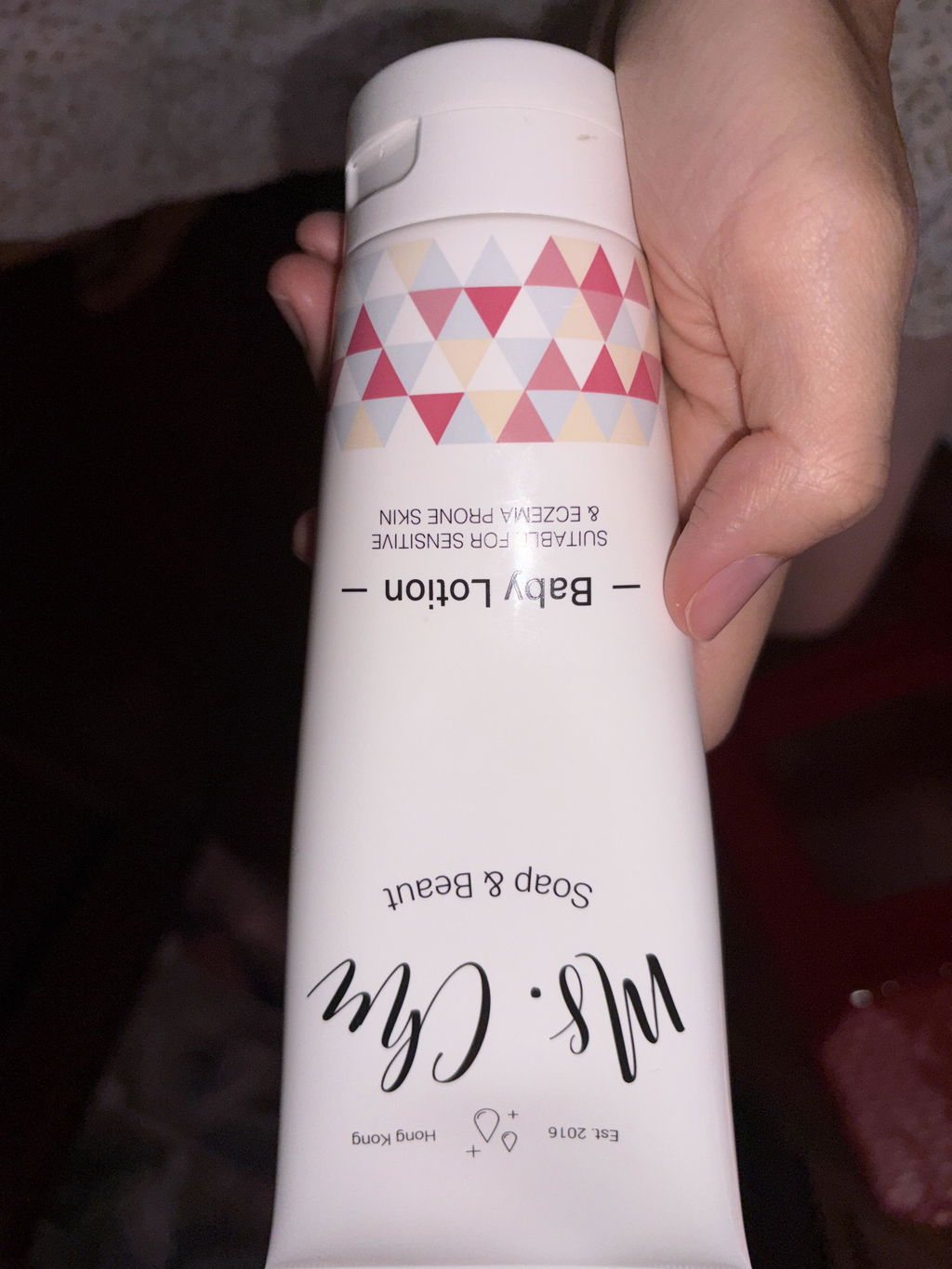
Organic Baby Lotion / 有機嬰兒潤膚乳

A nourishing and hydrating lotion made with organic, food-grade ingredients, perfect for sensitive skin and eczema. Steroid-free and chemical-free, ensuring no endocrine disruptor exposure.
Moisturising Zinc Oxide / 保濕氧化鋅

A protective and soothing balm for eczema, diaper rash, and sensitive skin. Formulated with non-nano zinc oxide and natural oils, free from steroids and EDCs.
Frequently Asked Questions
What exactly are endocrine disruptors and why are they harmful to children?
Endocrine disruptors (EDCs) are chemicals that interfere with the body's hormone system, which regulates growth, development, and metabolism. For children, whose bodies are rapidly developing, EDCs can mimic or block natural hormones, leading to developmental problems, including premature puberty, reproductive issues, and neurological impacts, even at low exposure levels.
How can I identify if a product contains endocrine-disrupting chemicals?
Identifying EDCs can be challenging as they are often hidden. Look for common culprits like 'phthalates,' 'parabens' (e.g., methylparaben, propylparaben), 'BPA' or 'BPS,' and synthetic 'fragrance' (which can contain phthalates) on ingredient lists. Choosing products labeled 'phthalate-free,' 'paraben-free,' and 'fragrance-free' or those with fully disclosed natural ingredients is a good starting point.
Does early puberty have long-term health consequences?
Yes, early puberty can have several long-term health consequences. Girls who experience early puberty may face an increased risk of breast cancer, ovarian cysts, and polycystic ovary syndrome (PCOS) later in life, along with higher rates of depression, anxiety, and behavioral issues during adolescence. For both boys and girls, it can also impact final adult height.
Why is Ms. Chu Soap & Beaut suitable for children and sensitive skin?
Ms. Chu Soap & Beaut products are suitable for children and sensitive skin because they are handmade with food-grade, natural ingredients and are entirely free from steroids, harsh chemicals, and common endocrine disruptors like parabens and phthalates. Additionally, all products are G6PD-safe, meaning they exclude ingredients like camphor, menthol, and salicylic acid, making them safe for individuals with G6PD deficiency and highly sensitive skin.
What does 'G6PD-safe' mean and why is it important?
'G6PD-safe' means that a product is formulated without ingredients known to trigger adverse reactions in individuals with Glucose-6-phosphate dehydrogenase (G6PD) deficiency. This includes avoiding camphor, menthol, and salicylic acid. It's important because G6PD deficiency is a common genetic condition, and using G6PD-safe products ensures that a wider range of individuals, especially those with this sensitivity, can use the products without risk of hemolytic crisis or other adverse effects.
References
- Diamanti-Kandarakis, E., et al. (2009). Endocrine-disrupting chemicals: an Endocrine Society scientific statement. Endocrine Reviews, 30(4), 293-342.
- Brix, N., et al. (2017). Early puberty in girls: a review of the current evidence on endocrine-disrupting chemicals. Environmental Health, 16(1), 110.
- Trasande, L., et al. (2018). Phthalates and childhood obesity: a systematic review and meta-analysis. Environmental Health Perspectives, 126(10), 106001.
- Darbre, P. D., & Harvey, P. W. (2008). Paraben esters: review of recent studies of endocrine toxicity, absorption, esterase and human exposure, and discussion of potential human health risks. Journal of Applied Toxicology, 28(5), 561-578.
- Rochester, J. R. (2013). Bisphenol A and human health: a review of the literature. Reproductive Toxicology, 42, 132-155.



Leave a comment