




 MEMBER REWARDS

Baby Heat Rash in Hong Kong: Symptoms, Natural Treatment & Prevention Guide
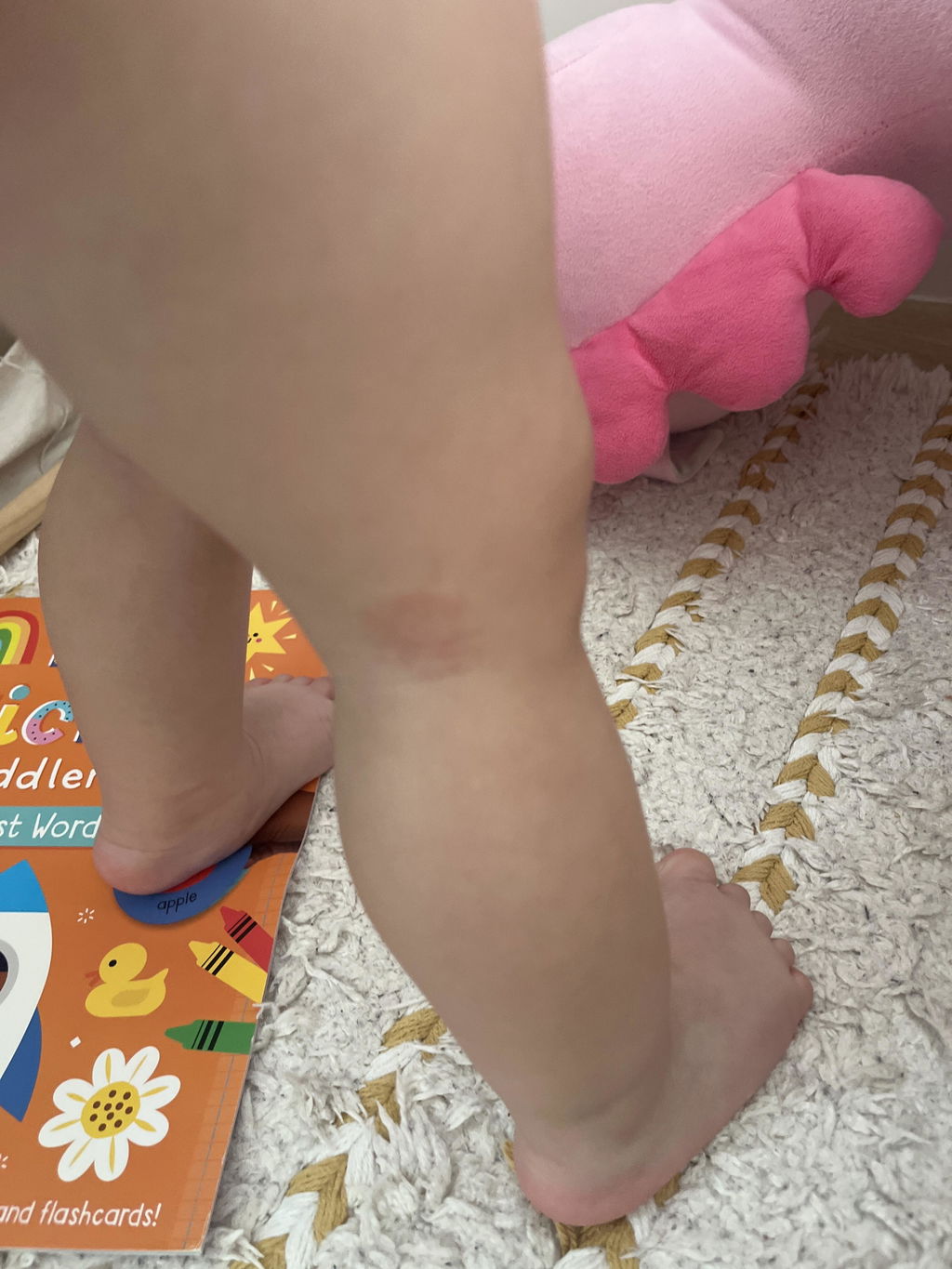
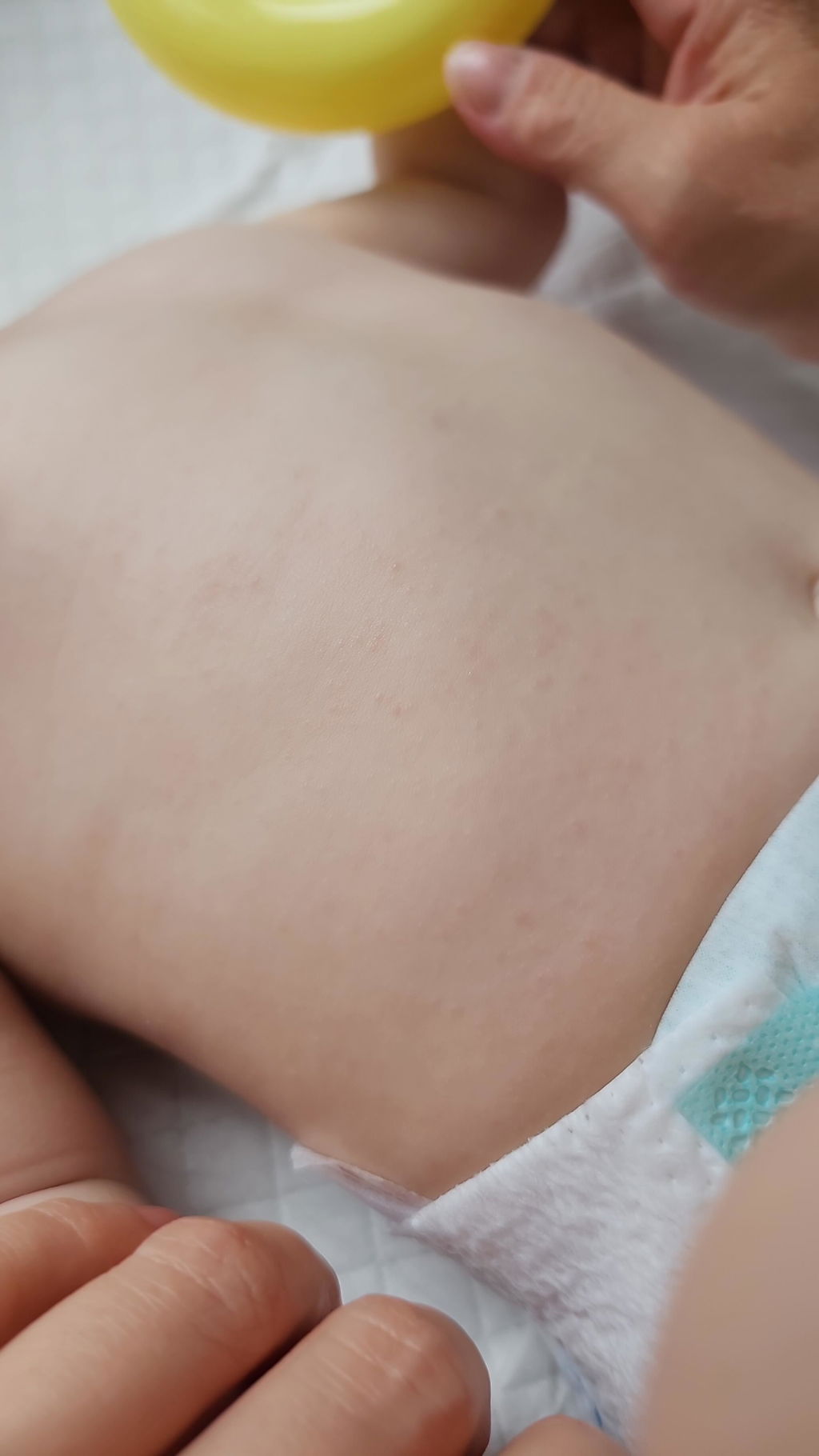
Baby heat rash (miliaria) develops when immature sweat ducts become blocked in hot, humid weather — trapping sweat beneath the skin. It can cause small bumps or blisters and a prickly itch.
In Hong Kong's subtropical climate, heat and humidity make newborn babies and young infants especially vulnerable. This guide covers the three types of miliaria, what heat rash in babies looks like, the symptoms of heat rash, five practical prevention methods, and how to compare skincare formulas for everyday care.
Table of Content
📖 Related Reading
The 3 Types of Baby Heat Rash (Miliaria)
Not all heat rash is the same. Understanding which type your baby has helps you choose the right heat rash treatment approach.
1. Miliaria Crystallina (Crystalline Heat Rash)
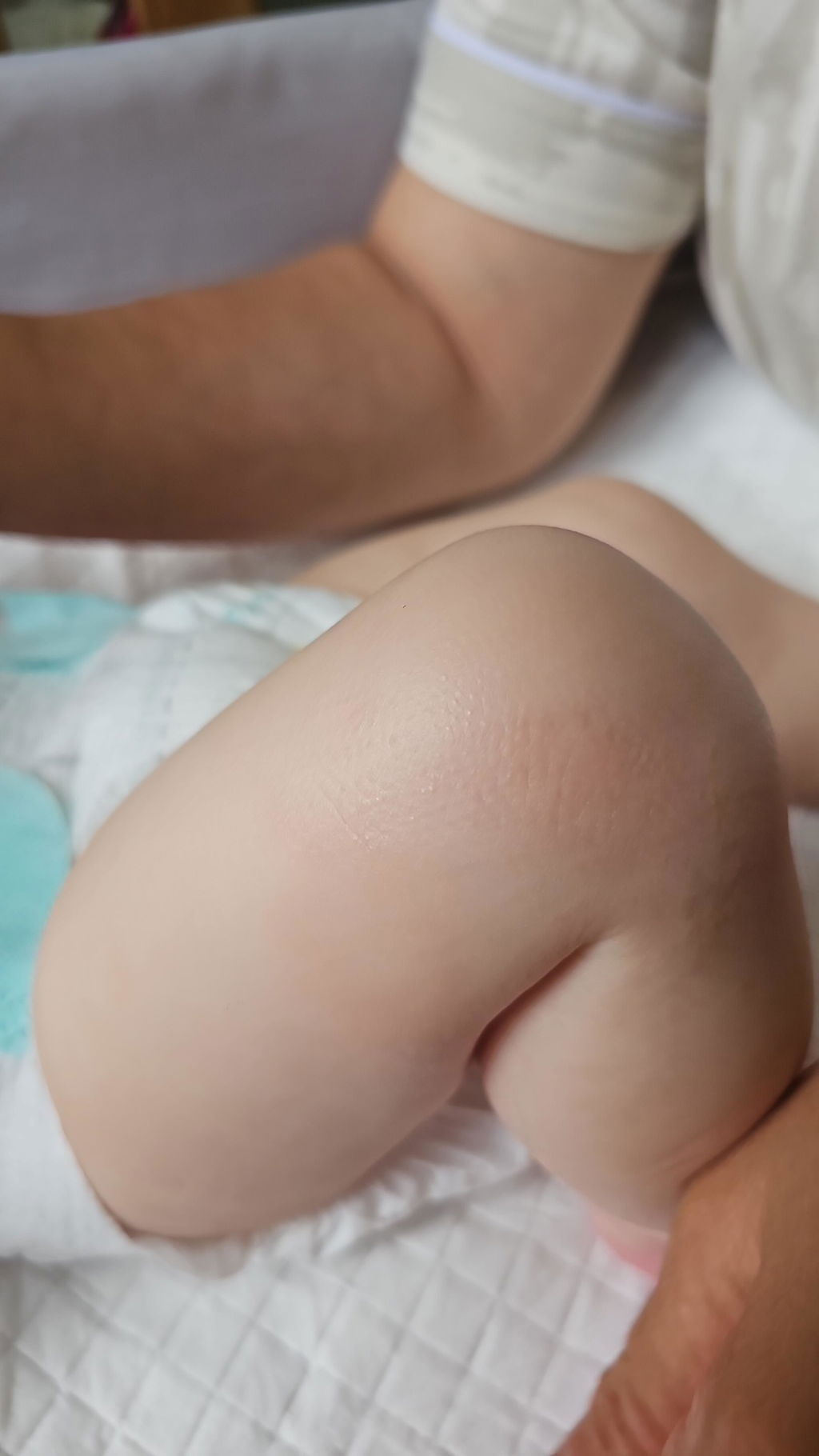
The mildest form. It appears as tiny, clear or white fluid-filled blisters on the skin surface. These blisters burst easily and are generally painless and itch-free. They occur when the blockage is at the very top of the sweat duct, just beneath the outer layer of skin.
2. Miliaria Rubra (Red Heat Rash / Prickly Heat)
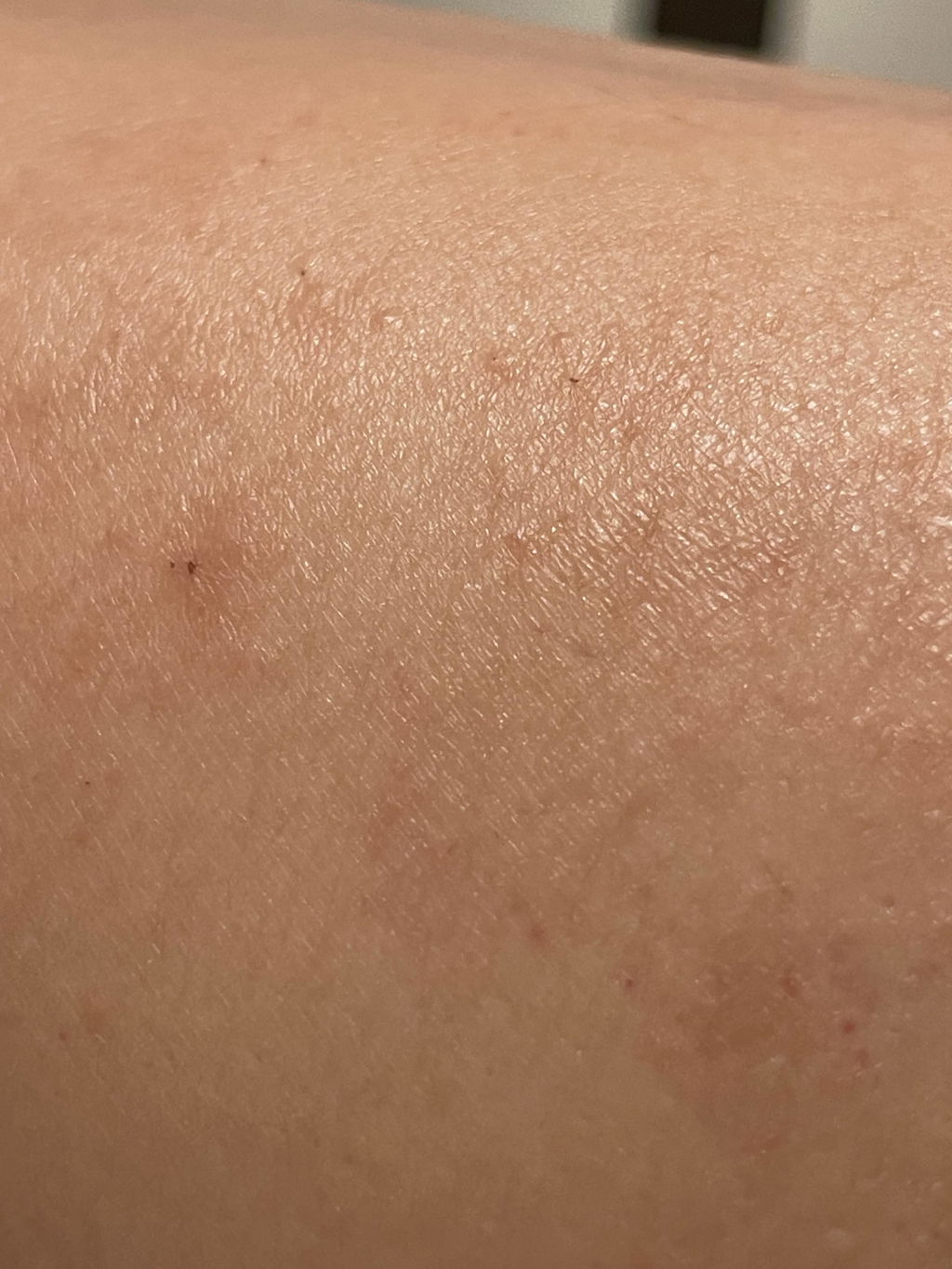
The most common type. The skin develops red papules (bumps) accompanied by a prickling, stinging itch. This is also known as prickly heat. The blockage occurs deeper in the sweat ducts, triggering an inflammatory response. Babies with miliaria rubra are often visibly uncomfortable — fussy, restless, and difficult to settle.
3. Miliaria Profunda (Deep Heat Rash)
This rare form follows repeated episodes of miliaria rubra and is usually reported in adults. Deeper sweat-duct obstruction causes firm, flesh-coloured bumps. A baby with an unusual or persistent rash should be assessed rather than assumed to have this form.
Symptoms: How to Tell If Your Baby Has Heat Rash
Heat rash typically appears in areas where sweat collects or clothing causes friction. Look for these signs:
- Clusters of tiny red bumps or clear blisters — most commonly on the neck, back, armpits, and groin
- Frequent scratching, fussiness, or crying (due to the prickling itch)
- A slightly rough, grainy texture to the skin, sometimes with mild peeling
- Symptoms that worsen in hot, stuffy environments and improve when the baby is cooled down
When to see a doctor: If your baby develops a fever, pus-filled blisters or seems unwell, seek medical advice promptly. Also seek advice if the rash does not improve after a few days or you are worried. These signs need assessment; they do not by themselves confirm an infection.
5 Ways to Prevent Baby Heat Rash in Hong Kong
1. Keep the Environment Cool and Ventilated
Keep the environment comfortably cool and ventilated using air-conditioning or a fan, without chilling the baby. Avoid taking your baby outdoors during peak midday heat and adjust clothing to prevent overheating.
2. Choose Breathable, Loose-Fitting Clothing
Choose loose-fitting, breathable clothing such as cotton. Avoid tight garments and excess layers that trap heat. Check your baby's neck or back for sweating and adjust clothing accordingly; avoid high collars if the rash is concentrated around the neck.
3. Keep Skin Folds Dry and Change Nappies Frequently
Check nappies frequently and change them when wet or soiled. After cleaning, gently pat skin folds dry rather than rubbing. Keep heat-rash areas cool and ventilated; nappy-rash barrier care is a separate need and should not mean covering every heat-rash patch with cream.
4. Bathe with Lukewarm Water — Avoid Over-Cleansing
Use comfortably warm, not hot, bath water and test it with your wrist or elbow. Plain water may be enough; if using a cleanser, choose one suitable for babies and follow its directions. Gently pat dry, particularly in skin folds, without scrubbing. A fixed pH of 5.5 is not a requirement for every baby cleanser.
5. Use the Right Baby Skincare — Trim Nails to Prevent Scratching
For active heat rash, cooling and reducing sweating come first. Avoid thick layers of creams or ointments over the rash, and avoid perfumed products. Keep your baby's nails trimmed and smooth to reduce scratching.
What to Look for in a Baby Heat Rash Product
Babies' immature sweat ducts make them vulnerable to heat rash. When skin is hot and sweaty, avoid heavy layers of products that may add to occlusion. A water-based description or a single ingredient does not establish whether a finished product is suitable.
Ingredients to Look For
Plant ingredients in the featured formulas: compare the named extract, gel or oil on each ingredient list rather than treating these forms as interchangeable.
- Chamomile — chamomile flower extract is listed in Organic Baby Toner and Baby Shampoo & Body Wash; chamomile oil is listed in No No Itchy Gel and Baby Day Cream.
- Calendula — Organic Baby Toner lists calendula flower extract, No No Itchy Gel lists calendula, and Baby Day Cream lists calendula-infused oil.
- Aloe vera — aloe leaf juice or aloe gel appears in the featured formulas; check the complete ingredient list for the particular product.
Other ingredients to compare in the featured formulas:
- CICA (Centella asiatica) — listed in Organic Baby Toner. The complete formula, rather than this ingredient alone, determines the product's texture.
- Allantoin — listed in Organic Baby Toner. It is not listed in the current No No Itchy Gel ingredient list.
- Panthenol (Pro-Vitamin B5) — listed in Organic Baby Toner and Baby Shampoo & Body Wash. The checked ingredient lists do not give its concentration.
For active heat rash, take care with:
- Thick layers of oils, butters or ointments over the rash — these may add to occlusion.
- Menthol or camphor — a cooling sensation does not establish suitability for infants. Improper use can cause serious reactions, including breathing problems or seizures from camphor poisoning. Follow the product’s age restrictions and healthcare advice.
- Products that sting or irritate — alcohol-based or perfumed formulas may be uncomfortable on irritated skin.
Keep the focus on cooling, dry skin folds and loose clothing. Compare the whole formula, intended use and age directions; neither an oil-free label nor a pH of 5.5–6.0 guarantees that a product will treat heat rash or prevent infection.
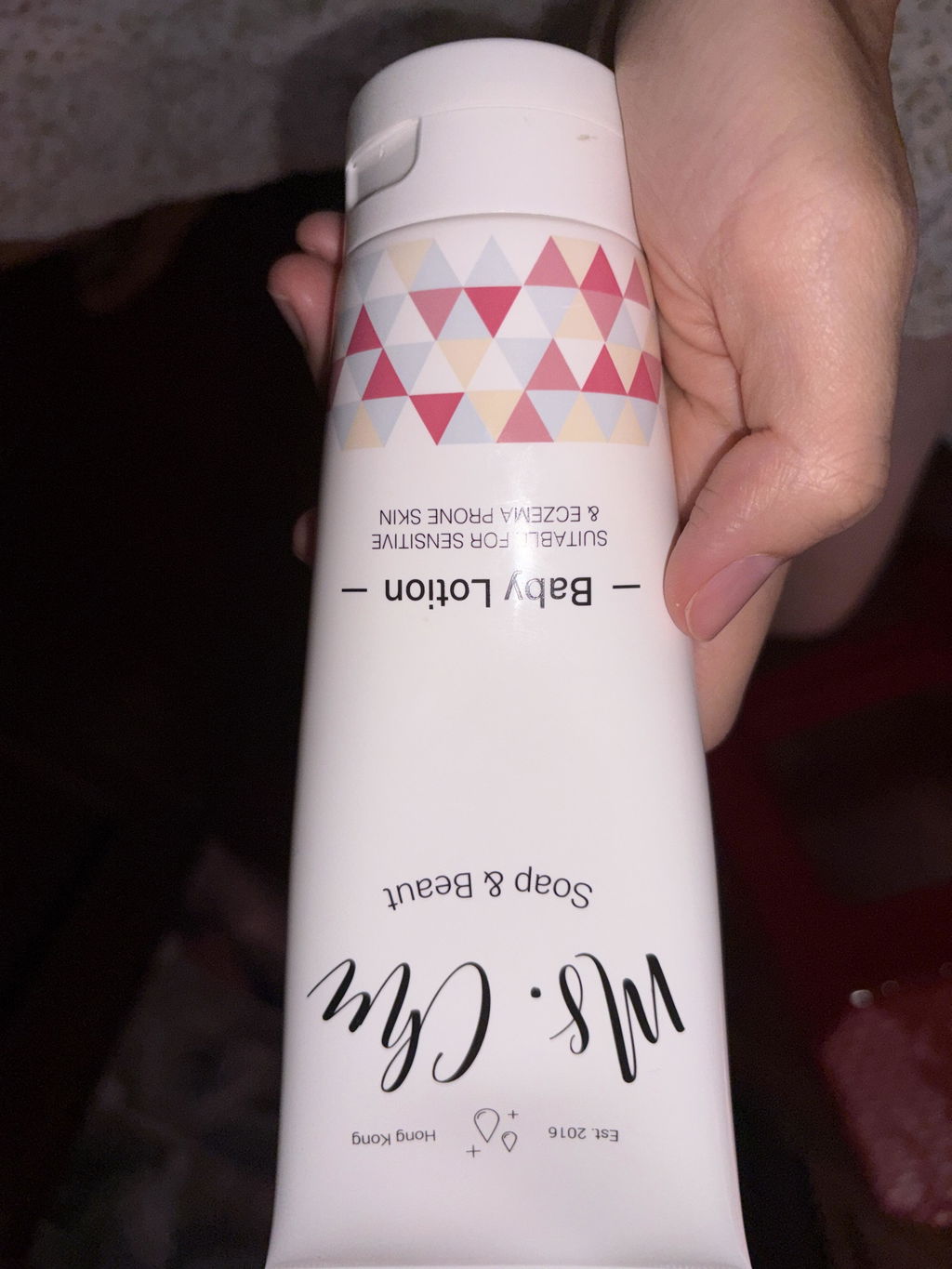
How to Compare Ms. Chu's Featured Skincare
The Ms. Chu Heat Rash Collection brings together different formats for daily skincare. Organic Baby Toner lists aloe vera, chamomile and calendula extracts, CICA, allantoin and panthenol; No No Itchy Gel combines botanical ingredients with aloe vera and glycerin. Baby Day Cream provides moisturising care, while Baby Shampoo & Body Wash is a rinse-off cleanser. Compare each product’s complete formula and intended use.
A Note on G6PD Deficiency
For a baby with G6PD deficiency, check the chosen product's complete current formula and age directions, and seek individual advice where needed. The featured products serve different everyday cleansing and moisturising needs.
Why Babies Are Most Vulnerable to Heat Rash — Age Group Comparison
Babies are prone to heat rash, but age alone cannot distinguish it from eczema or hives. The table below gives broad context rather than a diagnosis or a ranking of how often each condition occurs.
| Age Group | Sweat Allergy (汗水過敏) | Heat Rash (熱痱/汗疹) | Facial Hives (面部蕁麻疹) |
|---|---|---|---|
| Young Kids (0–9) | Less typical in young children; age alone cannot exclude it. | Common in babies and young children, especially with overheating. | Can occur in children; assess the rash rather than assigning a fixed frequency. |
| Teens & Young Adults (15–35) | Often first develops in adolescence or young adulthood; sweating and heat can trigger wheals. | Can occur with heat, sweating and covered skin. | Can occur at this age; facial location does not establish the cause. |
| Older Adults (40+) | Can still occur; do not exclude it because of age. | Can occur at any age with heat, sweating or occlusion. | Can occur at any age; no universal peak or hormonal cause can be assigned from age alone. |
Is your child older and getting hives after sports? They may have developed sweat allergy. Seeing hives specifically on the face? Read our Facial Urticaria Guide.
Product Recommendations
Step 1 — Organic Baby Toner: Liquid Daily Care

Organic Baby Toner combines aloe vera, sodium hyaluronate and glycerin with chamomile and calendula extracts, CICA, allantoin and panthenol. Its liquid format offers a daily-care option; follow the product’s directions for use.
Step 2 — No-No Itchy Gel: Lightweight Gel Texture

No No Itchy Gel combines Tea Tree Oil, Calendula, Chamomile Oil, Aloe Vera Gel and Plantago lanceolata (Ribwort Plantain) Leaf Extract with glycerin. Its light, non-sticky gel texture offers a daily-care option for dry skin when a lightweight feel is preferred. Tea tree oil contains terpinen-4-ol; laboratory research shows it can suppress the production of some inflammatory mediators. Laboratory study
Step 3 — Baby Day Cream: Daily Moisturising

Baby Day Cream combines aloe vera, colloidal oatmeal, sodium hyaluronate and glycerine with cocoa butter and plant oils for daily moisturising care of dry skin. Cooling and reducing sweating remain the priority for active heat rash; choose skincare according to the baby’s age, skin needs and product directions.
Step 4 — Baby Shampoo & Body Wash: Gentle Daily Cleansing

Baby Shampoo & Body Wash uses decyl glucoside and lauryl glucoside cleansing ingredients, with aloe vera, glycerine, chamomile extract and panthenol. Use this rinse-off cleanser according to its directions and rinse thoroughly, supporting gentle everyday cleansing without scrubbing irritated skin.
Shop the Full Heat Rash Collection
Frequently Asked Questions
How long does baby heat rash last?
Baby heat rash often improves within a few days once overheating and sweating are reduced. Seek medical advice if it does not improve, your baby develops fever or pus-filled blisters, or you are worried.
Should I use petroleum jelly on baby heat rash?
Avoid applying thick ointments such as petroleum jelly over active heat rash, because occlusion can worsen it. This is different from using an emollient for a separate dry-skin or eczema need.
Can baby heat rash trigger eczema?
Heat rash and eczema are different conditions, but sweating can irritate eczema-prone skin and both can occur together. Cool the skin and seek advice if you are unsure which rash your baby has.
Is it safe to use Ms. Chu products on a baby with G6PD deficiency?
Suitability depends on the individual baby and the specific product. Check the full current formula and age directions, and discuss any G6PD-related questions with the baby’s clinician.
Explore our complete eczema care resource: Natural Eczema Skincare in Hong Kong | Ms. Chu — The Complete Guide
References
- Guerra KC, Toncar A, Krishnamurthy K. Miliaria. [Updated 2023 Aug 8]. In: StatPearls [Internet]. Treasure Island (FL): StatPearls Publishing; 2024 Jan-.
- Schempp CM, et al. Topical anti-inflammatory activity of Calendula officinalis extracts. Planta Med. 2006.
- Brinkhaus B, et al. Chemical, pharmacological and clinical profile of the East Asian medical plant Centella asiatica. Phytomedicine. 2000.
- NHS: Heat rash (prickly heat)
- MedlinePlus: Babies and heat rashes
- DermNet: Miliaria
- DermNet: Cholinergic urticaria
- NHS: Washing and bathing your baby
- AAD: Outdoor eczema triggers


Leave a comment