

 MEMBER REWARDS

The Chemical Engineer's Guide to Newborn & Infant Skin

Newborn skin is 40-60% thinner than adult skin, with an immature lipid barrier that requires pH-balanced, ceramide-rich care to prevent common conditions like eczema and heat rash.
Understanding Your Newborn's Skin: The Science
Newborn skin is uniquely delicate due to its developing pH balance and immature lipid barrier. At birth, an infant’s skin surface begins to establish its natural acidic mantle, typically targeting a pH of around 5.5. This slightly acidic environment is crucial in protecting against pathogenic bacteria and fungi, maintaining the skin’s microbiome equilibrium. However, unlike adult skin, a newborn’s acid mantle is not fully developed, leaving their skin more vulnerable to irritation and infection.
From a chemical engineering perspective, the skin’s lipid barrier comprises ceramides, cholesterol, and free fatty acids that form a structured, protective matrix preventing excessive transepidermal water loss (TEWL). In infants, this lipid matrix is immature and deficient, resulting in increased TEWL and dryness. This immature barrier function means newborn skin loses moisture more rapidly, making hydration and gentle barrier repair essential.
Maintaining the delicate balance of pH 5.5 and supporting lipid barrier maturation are central tenets when formulating skincare for infants. Products must avoid alkaline ingredients that disrupt the acid mantle and instead incorporate biomimetic lipids to restore ceramide levels and strengthen the skin’s natural defense.
Scientifically, the acid mantle functions as a biochemical shield, where the pH of 5.5 optimizes enzyme activities responsible for keratinocyte differentiation and lipid synthesis. Deviations from this pH can impair the production of natural moisturizing factors (NMFs) and lipid lamellae—a crucial component for barrier function. Ms. Chu’s formulations are designed to align with these biochemical principles, ensuring products support the skin’s natural maturation process.
Furthermore, the lipid barrier's composition in newborns is dynamically evolving. Research indicates that ceramide subclasses, such as ceramide NP and AP, are present in lower quantities in infant skin compared to adults, correlating with higher permeability and susceptibility to irritants (Elias, 2005). Hence, replenishing these lipids via topical application aids in reconstructing the barrier's integrity.
Transepidermal Water Loss (TEWL) & Hong Kong Humidity Science
Newborns experience 2-5 times higher TEWL than adults due to their thinner stratum corneum and immature lipid barrier. The stratum corneum in infants consists of only 10-15 cell layers, compared to 15-20 layers in adults, reducing the skin's ability to retain moisture effectively. This increased water loss predisposes newborn skin to dryness, irritation, and susceptibility to environmental stressors.
Hong Kong’s climate further complicates infant skin hydration. The average relative humidity hovers around 78%, spiking to above 90% during the notorious 回南天 (March-April). This high humidity paradoxically coexists with compromised barrier function, causing what is known as the “humidity paradox.”
In this paradox, although ambient moisture is high, the immature skin barrier cannot retain endogenous moisture effectively. Additionally, high humidity stimulates sweat gland overactivity, leading to blocked sweat ducts and miliaria (heat rash). This occlusion exacerbates inflammation and discomfort in newborn skin.
Typical TEWL measurements for healthy infant skin range between 6-8 g/m²/h, whereas eczematic or severely compromised skin can reach TEWL rates of 25-30 g/m²/h, indicating significant barrier dysfunction.
Topical application of ceramide-rich emollients has been scientifically shown to reduce TEWL by 30-40% within two hours (Elias PM, 2005), highlighting the importance of biomimetic lipid replenishment in infant skincare.
Hong Kong’s environment also subjects newborn skin to “thermal shock” due to rapid shifts between air-conditioned indoor environments (around 16°C with ~40% relative humidity) and hot, humid outdoor conditions (up to 33°C with ~90% relative humidity). This cycling stresses the lipid barrier further, necessitating robust yet gentle skincare routines that maintain pH 5.5 and support lipid barrier repair.
Common Newborn Skin Conditions
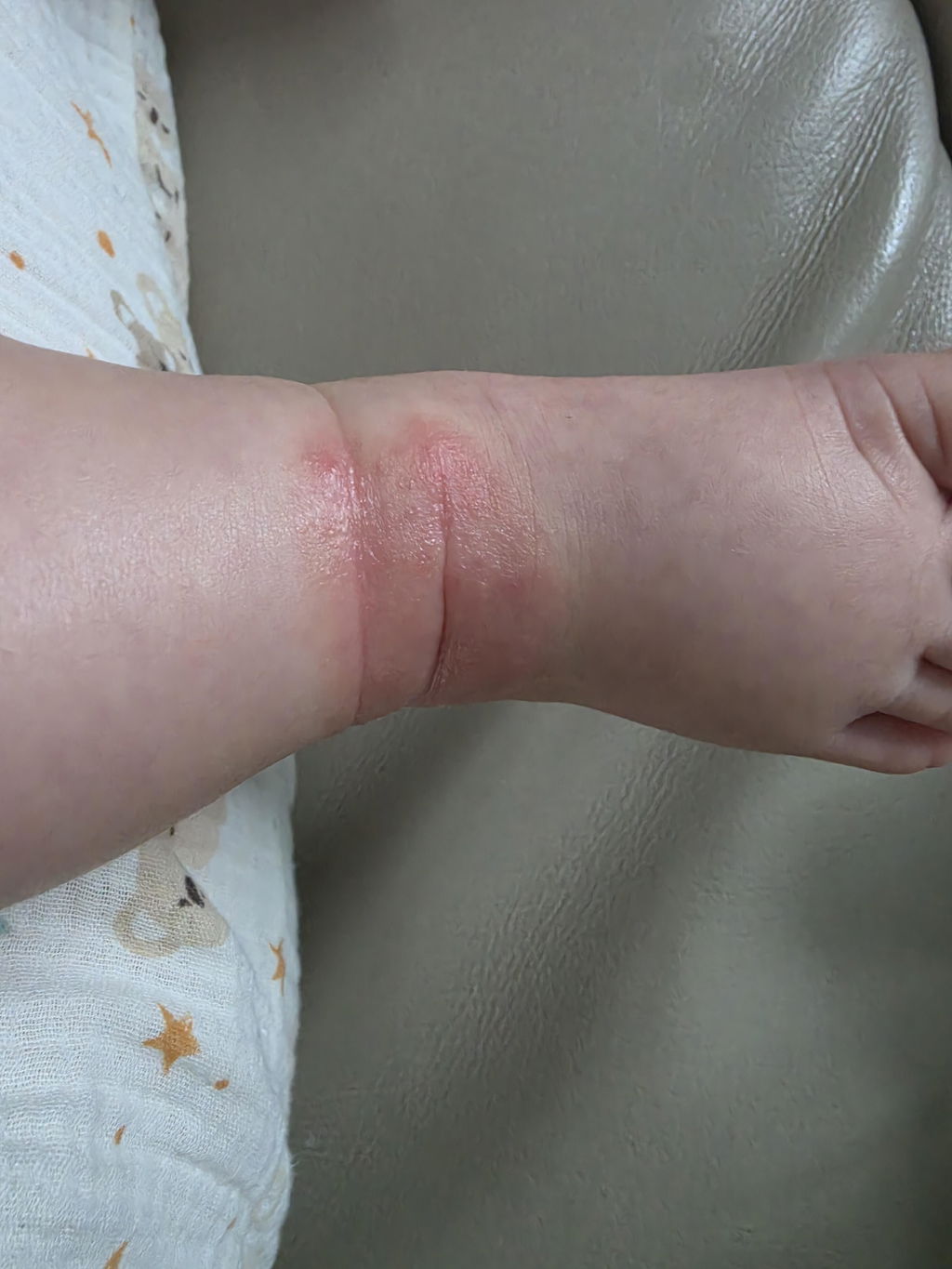
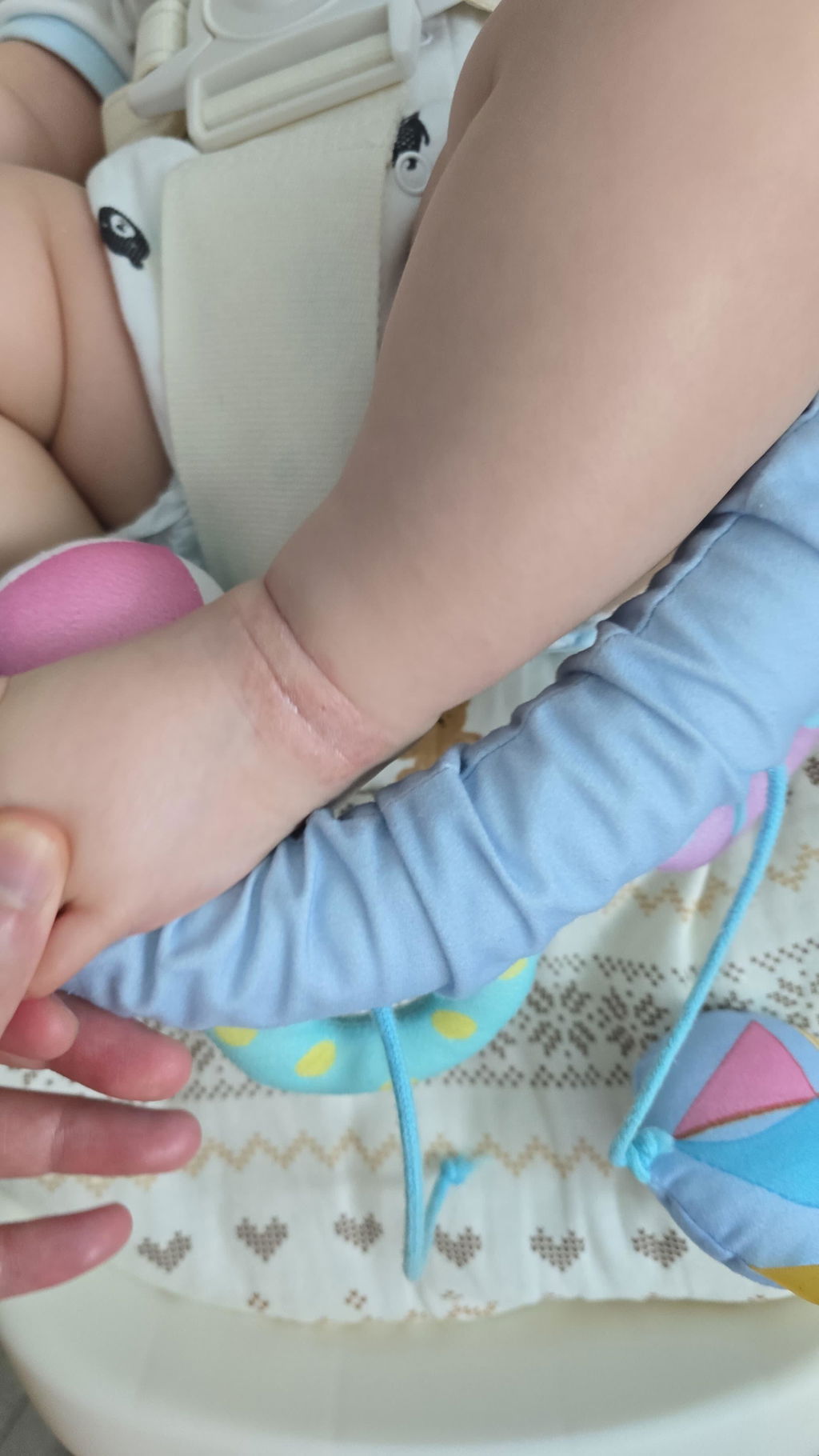
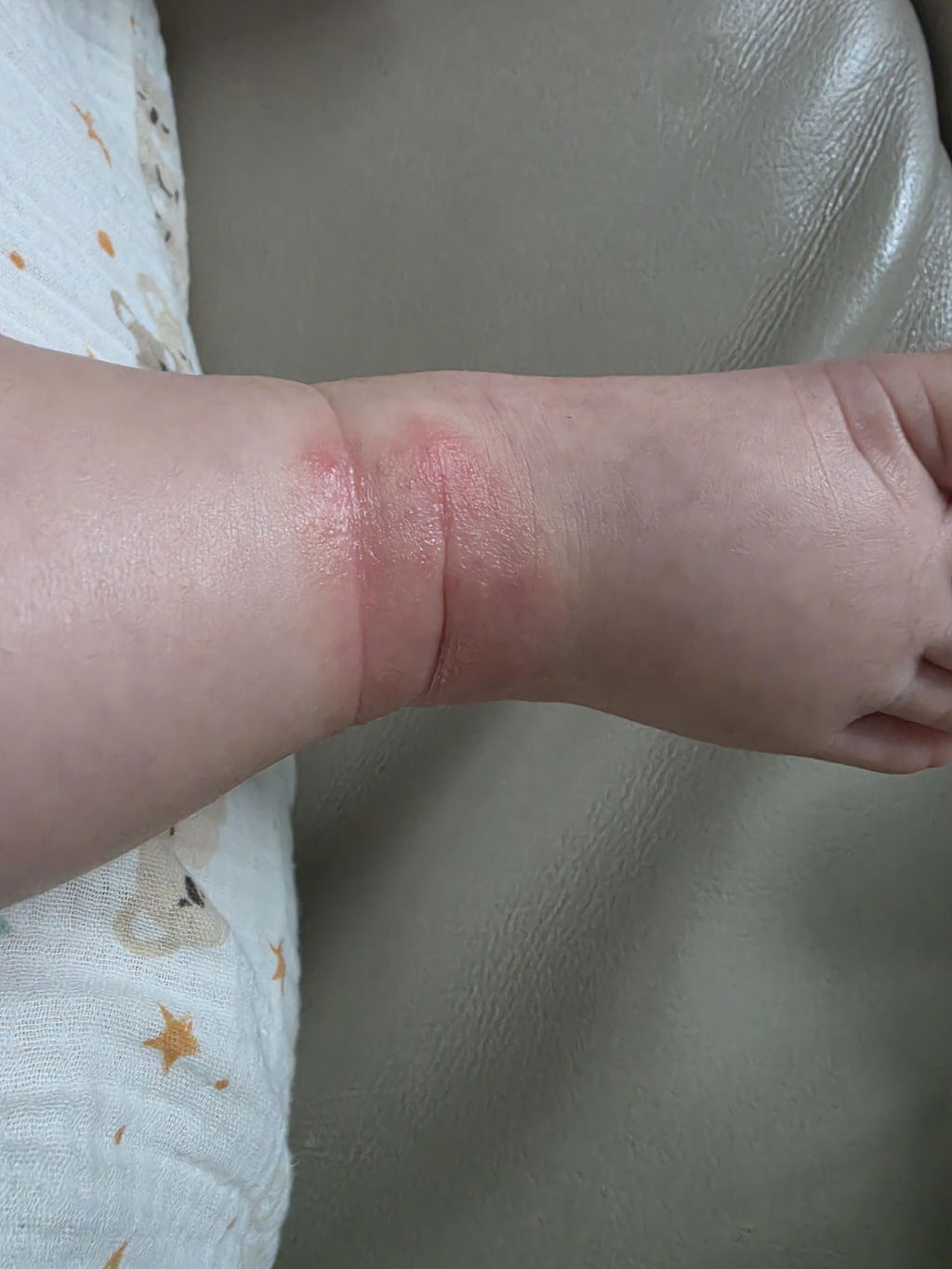
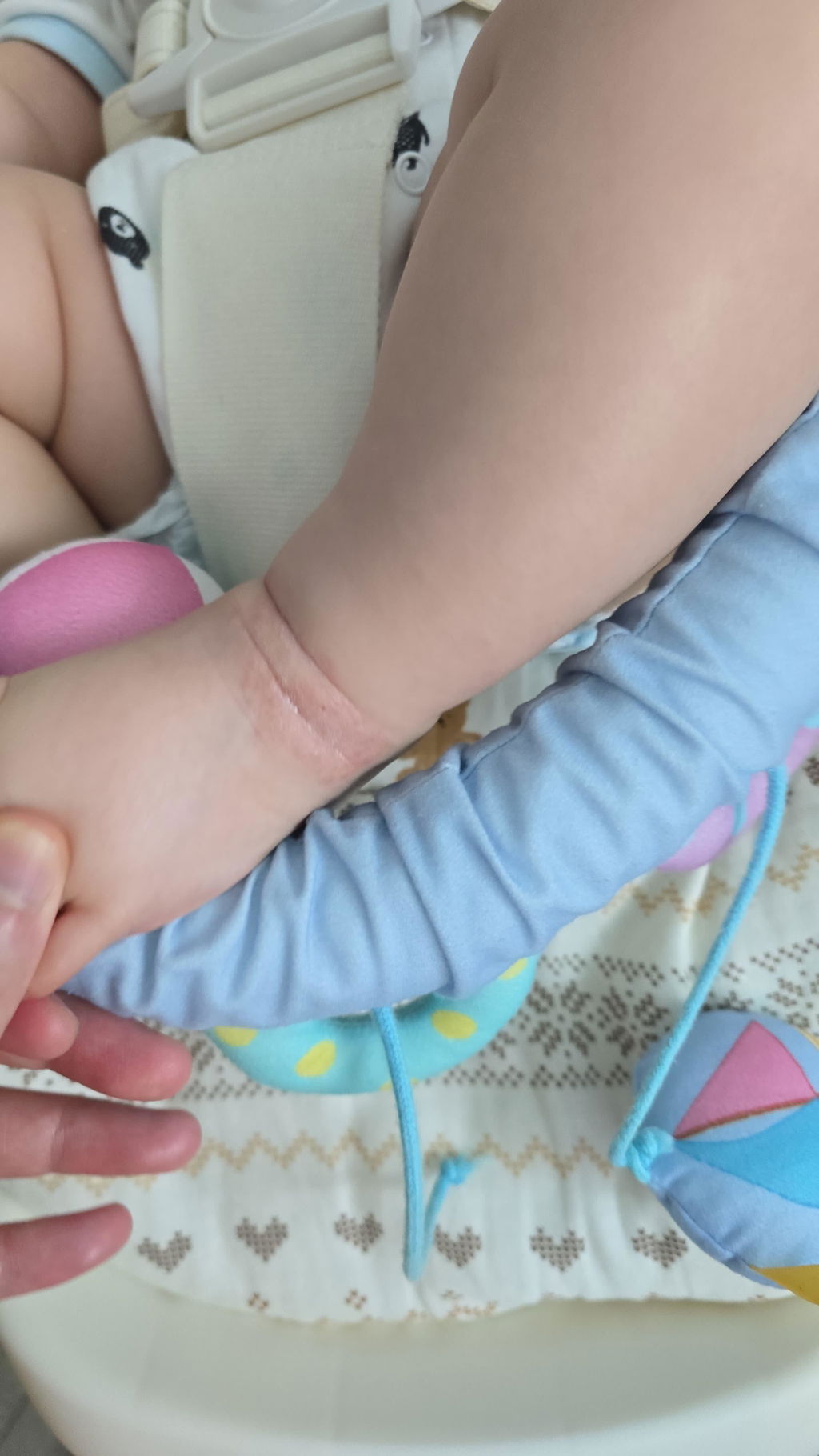
Newborns often experience various skin conditions due to their fragile skin barrier and environmental exposure. Understanding these conditions can help parents apply targeted care with scientifically backed solutions. Below is an overview of common issues, each linking to detailed guides:
- Drool Rash (口水疹): Caused by constant moisture and irritation from saliva, leading to redness and chapping around the mouth and chin. This condition is exacerbated by the breakdown of the lipid barrier and elevated skin surface pH, which disrupts the acid mantle and allows microbial colonization.
- Baby Heat Rash (bb汗疹): Results from blocked sweat ducts, causing tiny red bumps and discomfort especially in hot climates. The immature sweat gland function and occlusive environments increase skin hydration, altering lipid barrier homeostasis and triggering inflammation.
- Cradle Cap (頭泥): Characterized by flaky, oily patches on the scalp due to overactive sebaceous glands and impaired skin shedding. The excessive sebum alters the lipid composition, fostering Malassezia yeast proliferation and inflammatory responses.
- Infant Eczema (初生/ 嬰兒濕疹): A chronic inflammatory condition causing dry, itchy, and inflamed skin linked to genetic and environmental factors. A compromised lipid barrier with reduced ceramides and increased skin pH facilitates allergen penetration and immune hyperreactivity.
Each of these conditions relates back to the infant’s sensitive skin barrier and pH imbalance, underscoring the need for gentle, pH-balanced, and lipid-replenishing skincare. Ms. Chu products incorporate biomimetic lipids and botanical extracts that align with Green Chemistry principles to alleviate these conditions without compromising skin integrity.
Ms. Chu Green Chemistry vs. Mass-Market Baby Products
| Factor | Ms. Chu Green Chemistry | Mass-Market Products |
|---|---|---|
| Base/Emollient | Plant-derived biomimetic lipids (calendula, chamomile, cold-pressed oils) | Mineral oil / Petrolatum (petroleum-derived) |
| pH | Formulated at pH 5.5 to match infant acidic mantle | Often pH 6-7, disrupting acid mantle |
| Preservatives | Natural preservation (vitamin E, rosemary extract) | Parabens, phenoxyethanol |
| Fragrance | Zero synthetic fragrance | Synthetic fragrance (common irritant) |
| G6PD Safety | Free from camphor, menthol, salicylic acid | May contain G6PD triggers |
| Lipid Barrier | Ceramide-mimetic fatty acids that integrate into stratum corneum | Occlusive film that sits on top, doesn't repair barrier |
| Environmental | Biodegradable, sustainably sourced | Petroleum-derived, non-biodegradable |
The Chemical Engineering Approach to Baby Skincare
Ms. Chu employs Green Chemistry and biomimetic formulation to protect infant skin scientifically. Chemical engineering principles guide the design of skincare products that maintain the skin’s natural pH, restore lipid barrier integrity, and minimize environmental impact.
Green Chemistry emphasizes the use of safe, renewable, and biodegradable ingredients, avoiding harsh surfactants, synthetic preservatives, and irritants. This approach ensures products are gentle yet effective, reducing the risk of allergic or irritant reactions in newborns.
Central to Ms. Chu’s formulation philosophy is the use of biomimetic lipids—ceramides, cholesterol, and essential fatty acids—that replicate the skin’s natural lipid composition. These ingredients support the repair and strengthening of the infant’s immature barrier, reducing transepidermal water loss and improving hydration.
The chemical engineering design also involves optimizing surfactant choice and concentration to maintain mildness while ensuring adequate cleansing. For example, Ms. Chu uses non-ionic and amphoteric surfactants with low critical micelle concentration (CMC) to minimize protein denaturation and barrier disruption.
Moreover, food-grade ingredients are prioritized to guarantee purity and safety, reflecting Ms. Chu’s commitment to transparency and infant health. The pH 5.5 balance is strictly maintained in all products to preserve the acid mantle and prevent barrier disruption.
Building a Safe Newborn Skincare Routine
A gentle, scientifically designed daily routine supports newborn skin health and barrier development. Parents can follow these steps using Ms. Chu’s carefully crafted products:
- Cleanse Mildly: Use Baby Shampoo & Body Wash, which is pH-balanced and enriched with mild surfactants to gently cleanse without stripping natural oils.
- Hydrate Deeply: After bath time, apply Organic Baby Lotion to replenish moisture and support lipid barrier repair with ceramide and fatty acid-rich ingredients.
- Protect Delicate Areas: For diaper regions prone to irritation, use Baby Natural Bottom Cream, formulated to soothe and protect against moisture and friction.
- Specialized Care for Sensitive Skin: For infants with eczema or dry patches, the Baby Eczema Combo provides intensive lipid barrier repair and calming botanical extracts.
- Sun Protection: Once the baby is exposed to sunlight, apply Baby Mineral Sunscreen SPF50+, which uses mineral filters safe for sensitive skin and free from chemical UV absorbers.
- Bath Time Hydration: Adding Baby Bath Oil to bath water helps to lock in moisture and reinforce the lipid barrier during cleansing.
Seasonal Skincare for Newborns
Seasonal changes in humidity and temperature significantly impact newborn skin health in Hong Kong. The hot, humid summers and cool, dry winters present unique challenges for maintaining the delicate balance of the infant skin barrier.
During Hong Kong's humid summers, excessive moisture and sweat can compromise the lipid barrier by promoting occlusion and bacterial overgrowth, leading to conditions such as heat rash and drool rash. High humidity increases skin hydration but also causes swelling of skin cells, which can weaken the barrier function. Ms. Chu recommends frequent gentle cleansing with pH 5.5-balanced washes to remove sweat and irritants without stripping natural oils, paired with lightweight, non-comedogenic moisturizers to maintain barrier lipids.
Conversely, the dry winters cause increased transepidermal water loss due to low ambient humidity and indoor heating. This dryness exacerbates barrier impairment, leading to flaking, irritation, and eczema flare-ups. To counteract this, Ms. Chu suggests using richer emollient formulations with biomimetic ceramides and fatty acids, alongside bath oils that reinforce lipid lamellae and reduce TEWL. Maintaining an optimal pH of 5.5 remains essential to protect enzymatic processes vital for barrier repair during seasonal stress.
Parents should also monitor environmental factors such as air conditioning and heating, which can further dry the skin, and adjust skincare routines accordingly. This seasonal approach aligns with Green Chemistry by minimizing unnecessary ingredient load and optimizing efficacy based on environmental needs.
Understanding Ingredient Labels: A Chemical Engineer's Checklist
Decoding ingredient labels empowers parents to choose safe, effective products for newborn skin care. Chemical engineers analyze ingredient functionality, compatibility with skin biochemistry, and safety profiles to formulate optimal skincare.
| Safe Ingredients (Recommended) | Function | Harmful Ingredients (Avoid) | Reason for Avoidance |
|---|---|---|---|
| Biomimetic Ceramides (Ceramide NP, AP) | Restore lipid barrier, reduce TEWL | Sodium Lauryl Sulfate (SLS) | Harsh surfactant, disrupts lipid barrier, irritant |
| Cholesterol | Supports skin barrier structure | Fragrance (Synthetic) | Potential allergen, disrupts skin pH |
| Essential Fatty Acids (Linoleic Acid, Oleic Acid) | Enhance barrier repair and anti-inflammatory effects | Parabens | Preservative with potential endocrine disruption concerns |
| Aloe Vera Extract | Soothes inflammation, hydrates skin | Camphor | Oxidizing agent, contraindicated in G6PD deficiency |
| Glycerin (Natural Humectant) | Hydrates by attracting water to the skin | Menthol | Potential irritant, unsafe for G6PD-deficient infants |
| Non-ionic Surfactants (Decyl Glucoside) | Mild cleansing, preserves lipid barrier | Salicylic Acid | Potential oxidative stress inducer, unsafe for G6PD |
| Mineral UV Filters (Zinc Oxide, Titanium Dioxide) | Physical sun protection, safe for sensitive skin | Alcohol Denat (Denatured Alcohol) | Dries skin, disrupts lipid matrix |
Ms. Chu ensures all products adhere strictly to these ingredient safety standards, balancing efficacy with the infant skin’s biochemical needs. This chemical engineering approach optimizes product performance while minimizing adverse effects and environmental impact.
Key Takeaways
- Newborn skin requires gentle care maintaining a pH of 5.5 and a developing lipid barrier rich in ceramides and fatty acids.
- Common infant skin conditions stem from barrier immaturity and pH imbalance, necessitating targeted, biomimetic skincare.
- Ms. Chu utilizes Green Chemistry and chemical engineering principles to create safe, effective, pH-balanced, and lipid-replenishing products.
- Seasonal skincare adjustments are crucial in Hong Kong’s humid summers and dry winters to protect and support newborn skin.
- Understanding ingredient labels helps avoid harsh chemicals and prioritize gentle, food-grade, and biomimetic components.
- G6PD-deficient infants require extra caution to avoid oxidizing agents and irritants; Ms. Chu’s formulations are designed with this safety in mind.
Frequently Asked Questions
1. Can I use adult skincare products on my newborn?
No, adult products often disrupt infant skin’s pH and lipid barrier. Adult skincare formulations typically have higher pH levels and stronger surfactants that can strip newborn skin of essential ceramides and fatty acids, increasing transepidermal water loss and irritation. Ms. Chu’s baby-specific, pH 5.5-balanced products are designed to protect and nurture delicate infant skin.
2. How does ceramide restoration benefit my baby’s skin?
Ceramide restoration rebuilds the infant skin’s lipid barrier, reducing dryness and sensitivity. Ceramides are critical lipids that form the “mortar” between skin cells. Chemical engineering advances allow Ms. Chu to incorporate biomimetic ceramides that replenish these lipids, improving hydration and barrier function essential for newborn skin health.
3. Are Ms. Chu products safe for babies with eczema?
Yes, Ms. Chu’s Baby Eczema Combo is formulated to repair barrier lipids and soothe inflammation. By applying Green Chemistry principles, the products avoid irritants and include ceramides and fatty acids that restore the acid mantle and lipid barrier, mitigating eczema symptoms effectively.
4. What ingredients should I avoid for G6PD-deficient babies?
Avoid camphor, menthol, salicylic acid, and other oxidizing agents. These ingredients can trigger hemolysis in G6PD-deficient infants. Ms. Chu rigorously excludes these components, offering safe, food-grade formulations suitable for sensitive and G6PD-affected skin.
5. How can I prevent drool rash in my baby?
Keep the skin dry and protected with gentle barrier creams and frequent cleansing. Drool rash results from prolonged moisture that breaks down the lipid barrier. Using pH 5.5-balanced cleansers and the Baby Natural Bottom Cream from Ms. Chu can protect the skin’s acid mantle and prevent irritation. For detailed guidance, visit our Drool Rash Baby Skincare Guide.
6. How often should I bathe my newborn during different seasons?
Bathing frequency should be adjusted seasonally to maintain skin hydration and barrier integrity. In humid summers, 2-3 baths weekly suffice to remove sweat and irritants without over-stripping oils; in dry winters, less frequent bathing with added emollients helps prevent barrier dryness. Always use pH 5.5-balanced cleansers like those from Ms. Chu.
7. Can sunscreen be safely used on newborns?
Yes, mineral-based sunscreens with zinc oxide or titanium dioxide are safe for newborn skin. Ms. Chu’s Baby Mineral Sunscreen SPF50+ uses physical UV filters that do not penetrate the skin or disrupt the lipid barrier, providing effective sun protection without irritation. Chemical UV absorbers should be avoided in infants due to potential toxicity.
G6PD Deficiency & Newborn Skin Safety
Babies with G6PD deficiency require skincare free from oxidizing agents and irritants to avoid hemolytic risks. Ms. Chu products are carefully formulated without camphor, menthol, and salicylic acid—ingredients contraindicated for G6PD-deficient infants.
Because G6PD deficiency can cause red blood cell breakdown when exposed to certain chemicals, parents must choose skincare free from potentially harmful substances. Ms. Chu’s commitment to food-grade, gentle, and natural ingredients ensures safety without compromising efficacy.
Always consult a pediatrician before introducing any new skincare product to a G6PD-deficient newborn, but rest assured that Ms. Chu’s product range is developed with these safety considerations in mind.
Scientific Answers / 常見問題
Can I use adult skincare products on my newborn?
No, adult products often disrupt infant skin’s pH and lipid barrier. Adult products typically have alkaline pH and harsh surfactants that compromise the infant’s acid mantle and ceramide-rich lipid barrier, increasing TEWL and irritation.
How does ceramide restoration benefit my baby’s skin?
Ceramide restoration rebuilds the infant skin’s lipid barrier, reducing dryness and sensitivity. Ceramides maintain skin integrity by preventing water loss and protecting against irritants, crucial for the immature newborn barrier.
Are Ms. Chu products safe for babies with eczema?
Yes, Ms. Chu’s Baby Eczema Combo repairs barrier lipids and soothes inflammation safely. Formulated under Green Chemistry principles, these products maintain pH 5.5 and incorporate biomimetic lipids to restore barrier function.
What ingredients should I avoid for G6PD-deficient babies?
Avoid camphor, menthol, salicylic acid, and oxidizing agents. These can trigger hemolytic anemia in G6PD-deficient infants. Ms. Chu ensures all products are free of these ingredients for maximal safety.
How can I prevent drool rash in my baby?
Keep skin dry and protected with gentle cleansers and barrier creams. Maintaining pH balance and lipid barrier integrity prevents moisture-induced irritation. Use Ms. Chu’s recommended products and consult our detailed Drool Rash Guide.
How often should I bathe my newborn during different seasons?
Adjust bathing frequency based on season to protect the skin barrier. Frequent bathing in humid summers helps remove sweat while avoiding dryness; in dry winters, less frequent baths with added emollients protect against moisture loss.
Is sunscreen safe for newborns?
Mineral sunscreens with zinc oxide or titanium dioxide are safe and recommended. They physically block UV rays without chemical absorption or skin barrier disruption, aligning with Ms. Chu’s commitment to gentle, effective infant sun protection.