




 MEMBER REWARDS

Why Does Eczema Happen in Skin Folds? Understanding Flexural Eczema
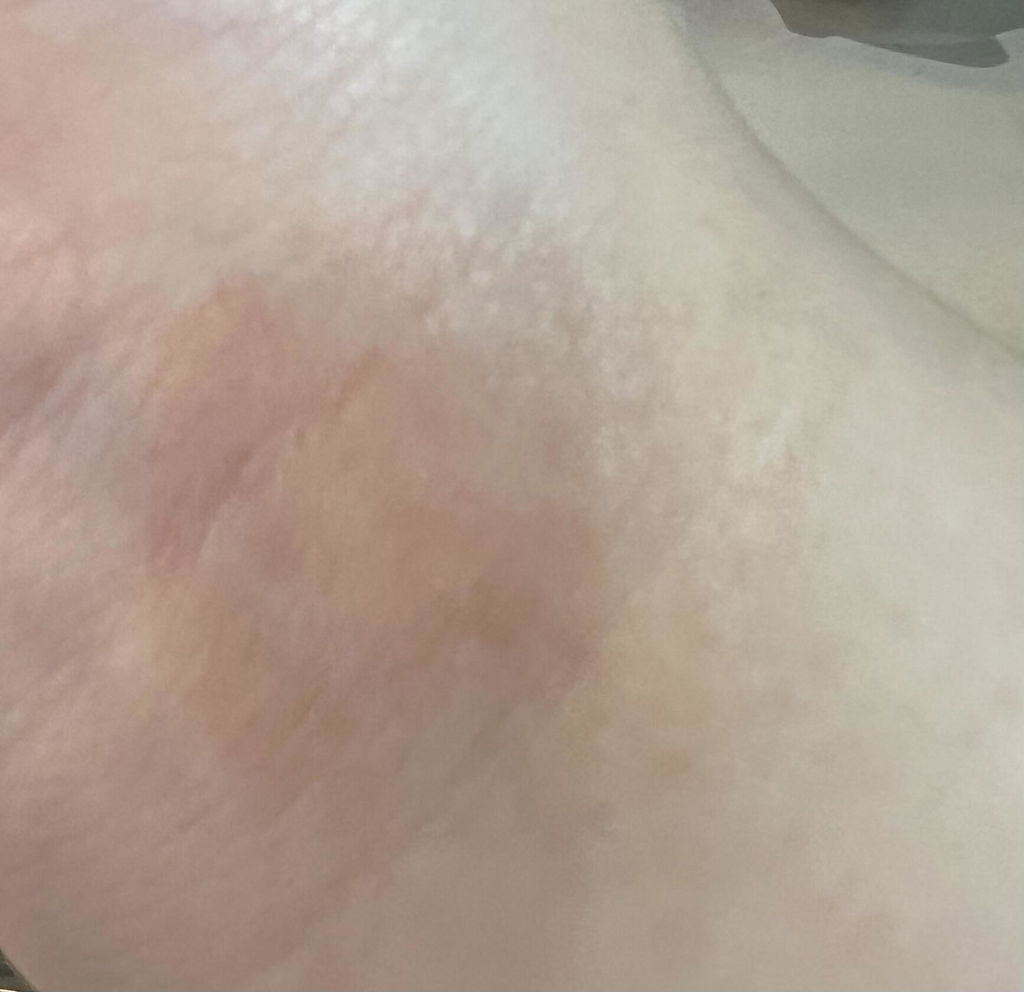
If your eczema keeps flaring in the same places — the inner elbows, behind the knees, the neck and wrists — that is not a coincidence. It is a recognised pattern called flexural eczema, and the skin folds create a perfect storm of friction, trapped moisture, and a naturally thinner barrier.
Eczema frequently targets the creases of the body, known clinically as flexural eczema. These areas — the antecubital fossae (inner elbows), popliteal fossae (behind the knees), the neck and the wrists — share a unique microclimate that destabilises the skin barrier. This guide explains why folds are so vulnerable, how the pattern shifts with age, how to treat and moisturise these delicate zones safely, and how to adjust your routine for hot, humid weather. If you are managing eczema more broadly, you may also want our Natural Eczema Skincare Guide.
Table of Content
What Is Flexural Eczema?
Flexural eczema is eczema that settles in the flexures — the creases where the body bends. The most affected sites are the inner elbows (antecubital fossae), the backs of the knees (popliteal fossae), the neck, and the wrists. From toddlerhood onwards, this distribution is so consistent that it is considered a classic hallmark of atopic dermatitis. The reason the same spots keep flaring is not bad luck: skin folds combine several physical stresses that outer surfaces do not experience, and together they destabilise the epidermal barrier.

Why Skin Folds Are So Vulnerable
Four factors combine in the folds to create a “perfect storm” for eczema.

1. Mechanical Friction and Shear Stress
Skin folds bend, stretch, and rub — against adjacent skin, and against clothing — all day long. This mechanical shear physically degrades the stratum corneum (the outermost skin layer), micro-damaging its protective lipid matrix and making it far easier for irritants to penetrate.
2. Trapped Moisture and Maceration
Sweat naturally collects in the creases. When moisture sits trapped against the skin for long periods it causes maceration — the outer layer softens and breaks down. As the water then evaporates, the trace minerals, salts and urea in sweat concentrate on the surface and directly irritate skin whose barrier is already compromised.
3. Altered Microbiome and Local Heat
Flexural areas are warmer and more humid, an ideal breeding ground for microbes such as Staphylococcus aureus. When staph overgrows, it disrupts the skin's microbiome and secretes superantigens that trigger localised inflammatory signalling and immune flare-ups.
4. A Naturally Thinner Barrier
Skin in the flexures is inherently thinner and more delicate than skin on outer surfaces such as the outer elbow or the shins. With fewer layers of stratum corneum, it loses water more readily (higher transepidermal water loss, or TEWL) and resists external triggers less well. Thin, high-friction, sweat-prone skin is exactly the combination eczema exploits.
Does It Only Happen to Adults or Children?
Flexural eczema affects both adults and children — but it is not how eczema usually starts in young infants. The location of the rash follows a well-established progression as a person ages, because the physical triggers change with movement and lifestyle.
| Age group | Primary affected areas | Why the pattern is different |
|---|---|---|
| Infants (0–2 years) | Extensor surfaces (outer knees and elbows), cheeks, scalp and torso. Skin folds are often spared. | Crawling creates friction on outer surfaces; drooling and feeding irritate the cheeks; nappies trap moisture that can actually shield the folds from dry air. |
| Children (2–12 years) | Flexural creases (inner elbows, backs of knees), wrists, neck and ankles. | As toddlers become mobile, sweat accumulates in the joints and mechanical friction in the folds increases significantly. |
| Adolescents & adults (13+) | Flexural creases, plus localised areas such as the hands, eyelids, neck and nipples. | Years of inflammation thicken the skin in the joints (lichenification), while work and lifestyle triggers target the hands and face. |
One practical note: if a baby under six months old has a rash strictly in the armpits or elbow creases, doctors often look for other causes — such as heat rash or intertrigo — before diagnosing classic flexural eczema.
Treating Flexural Eczema Safely
Skin folds need extra caution compared with the limbs, hands or torso. Because they are warm, enclosed and high-friction, topicals absorb much faster there — which raises the risk of side effects such as skin thinning (atrophy) and irritation. Apply less, not more, and always follow the guidance of your doctor or pharmacist for any medicated treatment.
Ointment vs. Cream in the Folds
Thick ointments are generally the gold standard for eczema because they lock in moisture. But heavy occlusives applied deep within sweaty creases can trap sweat and cause follicular occlusion (a prickly-heat-type rash). A practical strategy: favour lighter cream or barrier-cream formulations during active sweating or the summer months, and when you do use an ointment, apply it in an extremely thin layer.
Addressing Secondary Fungal & Bacterial Overgrowth
Because folds trap humidity and heat, they are prone to overgrowth of Candida yeast and Staphylococcus aureus. Flexural flare-ups that do not respond to standard anti-inflammatory topicals sometimes need a short course of a targeted antifungal or antimicrobial treatment to rebalance the skin's microbiome before barrier repair can take hold. This is a step to take with a doctor, not to self-prescribe.
A Note on G6PD Deficiency
For those managing G6PD deficiency, avoiding certain triggers is essential. All Ms. Chu products are formulated to be G6PD-safe, free from camphor, menthol, peppermint, salicylic acid and synthetic fragrance, so they can be used with confidence on delicate flexural skin.
Preventing Sweat & Friction Flare-Ups
Prevention in the folds comes down to three things: managing moisture, minimising mechanical rubbing, and maintaining barrier integrity without harsh active ingredients.
Clothing & Fabric Choices
- Prioritise breathable natural fibres. Loose-fitting garments in 100% organic cotton, bamboo or silk let air circulate and wick moisture away from the creases without irritating sensitive skin.
- Avoid synthetics. Polyester, nylon and acrylic trap heat and humidity against the skin, accelerating sweat build-up and bacterial growth in the folds.
- Watch for mechanical friction. Choose seamless or soft-seamed construction around the armpits, neck, inner elbows and backs of the knees, and avoid tight elastic bands at the wrists, ankles or waist.
Moisture & Sweat Management
Blot, never rub. Keep a soft, dry cotton cloth on hand and gently pat sweat from the inner elbows, knee creases and neck during warm hours or after activity. Rubbing damages fragile skin.
If you use a zinc oxide cream as an anti-friction barrier in the folds, a few habits make it work far better:
- Make sure skin is clean and thoroughly dry first. Applying zinc oxide over trapped moisture seals dampness inside the fold.
- Apply a thin, even layer. You do not need a thick white paste — a thin, translucent film is enough to reduce friction and absorb sweat without clogging pores or trapping heat.
- Check the formula. Look for simple bases free of synthetic fragrance, parabens and masking agents; soothing, non-comedogenic ingredients like colloidal oatmeal pair well with eczema-prone skin.
- Cleanse gently at night. Zinc oxide is water-resistant, so wash it off at day's end with a mild, pH-balanced cleanser so it does not build up in the creases.
Bathing & Cleansing
- Use a pH-balanced, soap-free cleanser formulated near the skin's natural pH (around 5.5). Alkaline bar soaps strip the intercellular lipids and disrupt the acid mantle in high-moisture folds.
- Keep showers short and lukewarm — 5 to 10 minutes, under about 37°C. Hot water strips natural oils and worsens itch in sensitive flexural areas.
- Pat dry gently. Always pat the folds with a clean, plush cotton towel; never rub the creases vigorously.
Moisturising & Barrier Protection
- The “3-minute rule.” Apply a lightweight, fragrance-free barrier cream or lotion within three minutes of bathing, while the skin is still damp, to lock in hydration.
- Layer an anti-friction barrier before activity. Before a long walk or exercise, a thin film of a dedicated barrier cream along high-friction creases acts as a sacrificial boundary layer between skin surfaces.
Adjusting Your Routine for Hot, Humid Weather
Heat and humidity change what the folds need. General hot-weather eczema care — switching to lighter textures, cooling the skin down, and telling heat rash apart from an eczema flare — is covered in Heat Rash vs Eczema vs Sweat Hives and Eczema and Heat Rash at the Same Time?. What follows is specific to the creases.
Salt and moisture concentrate inside a fold
A crease does not drain or air-dry the way flat skin does. Sweat pools there and softens the stratum corneum (maceration), and as the water finally evaporates, the salts and urea it carried are left behind to concentrate against a barrier that was already thin to begin with. Rinse the folds with cool water after heavy sweating and blot them dry — keep patting, never wiping, because a macerated fold tears under friction far more easily than dry skin does.
Keep a thin anti-friction layer in place
Before heading outdoors, an ultra-thin film of zinc oxide cream on clean, dry folds repels liquid sweat, stops skin rubbing directly on skin, and helps hold back the Staphylococcus aureus and Candida growth that heat and trapped humidity accelerate. Skip starch or talc powders in high humidity — cornstarch draws in ambient moisture and clumps into abrasive granules that make crease friction worse, not better.
Fragrance is one of the most common triggers for reactive skin, so whatever you apply to the folds, choose fragrance-free. We explain why in Fragrance-Free vs Unscented: Why Fragrance Matters for Sensitive & Eczema Skin.
Product Recommendations
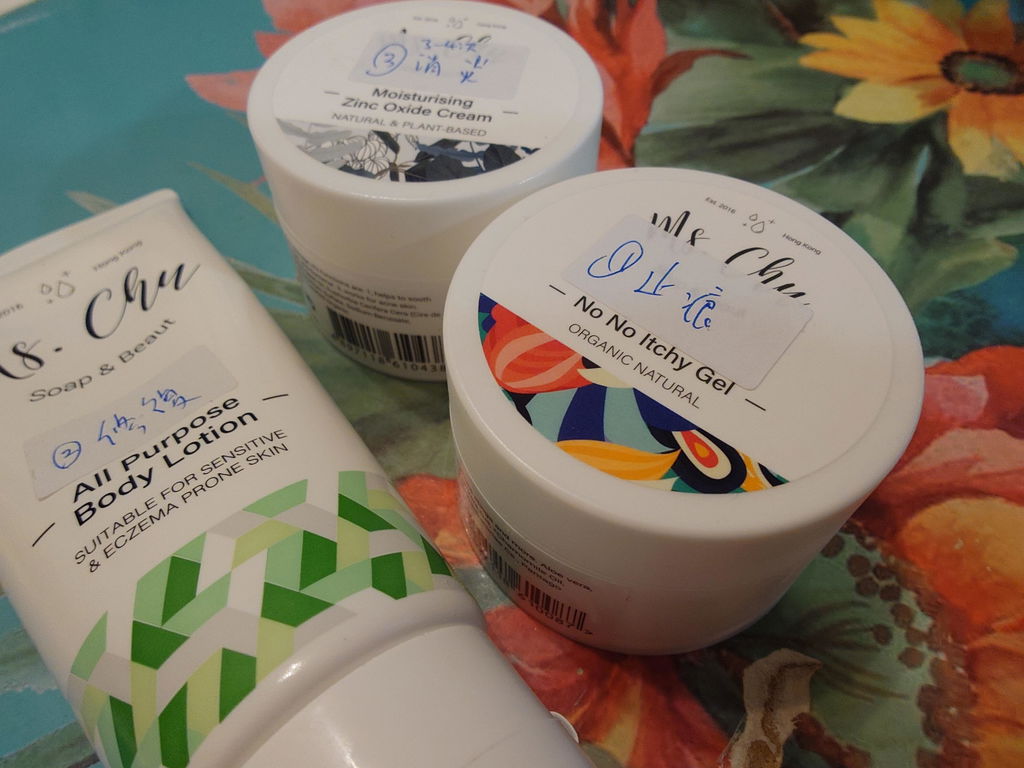
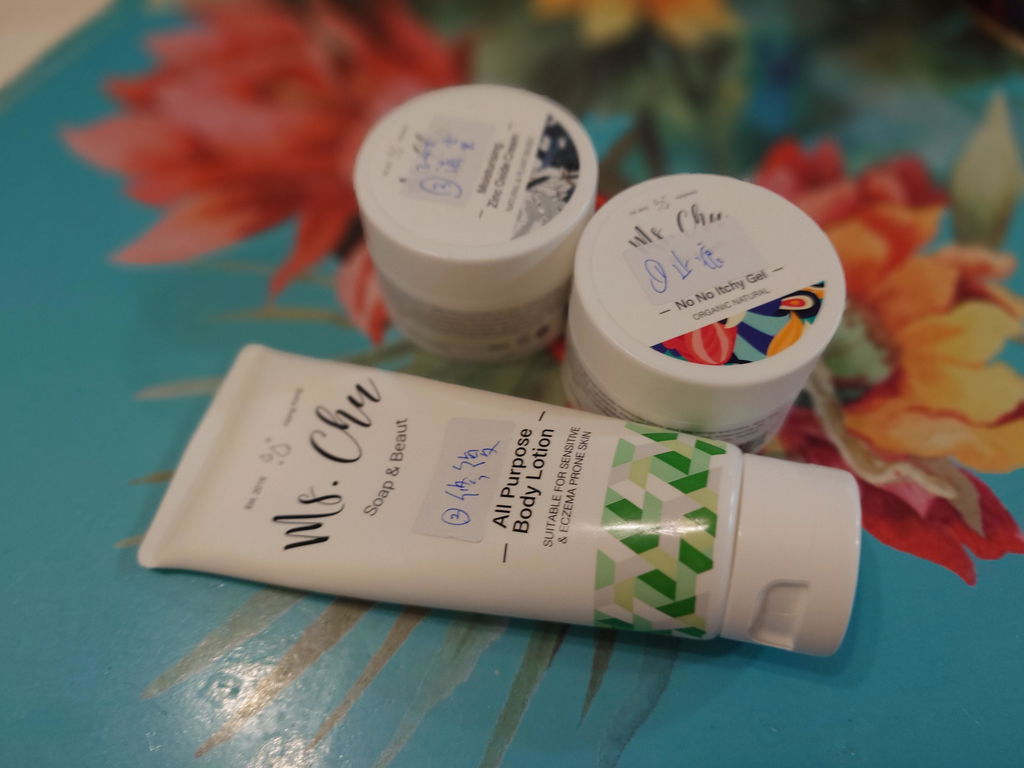
Every Ms. Chu product is free from added synthetic fragrance and G6PD-safe. The three below are the ones people managing flexural eczema tend to reach for — a breathable barrier for sweaty folds, a light daily moisturiser, and a cooling itch-calmer.
Moisturising Zinc Oxide

A plant-based, moisturising zinc oxide cream that forms a breathable barrier over the folds — repelling sweat, reducing friction, and calming itch and inflammation, with natural anti-fungal and anti-bacterial action. Apply in a thin layer to clean, dry creases. Free from added synthetic fragrance and steroids; NEA Seal of Acceptance and G6PD-safe.
All Purpose Body Lotion

A lightweight, fast-absorbing daily moisturiser built on plant-based barrier ingredients — ideal for the “3-minute rule” after bathing without trapping heat in the creases. Free from added synthetic fragrance, parabens and dyes; NEA Seal of Acceptance and G6PD-safe.
No No Itchy Gel

A cooling, non-sticky gel to calm the itch when a fold flares — useful for breaking the itch-scratch cycle without a greasy residue in the creases. Keep it in the fridge in summer for extra relief. Free from added synthetic fragrance and steroids; NEA Seal of Acceptance and G6PD-safe.
Frequently Asked Questions
Why does eczema appear in the inner elbows and behind the knees?
These flexural creases combine four stresses that outer skin does not face: constant bending and rubbing that degrades the barrier, trapped sweat that macerates the skin and leaves irritating salts behind, a warm humid microclimate that lets Staphylococcus aureus overgrow, and a naturally thinner barrier that loses water more easily. Together they make the folds the most likely place for eczema to flare.
Is flexural eczema found in adults or only children?
Both. Flexural eczema is the classic hallmark of atopic dermatitis from toddlerhood through adult life. It is mainly infants who do not fit the pattern: babies under two tend to get eczema on the outer elbows and knees, cheeks and scalp, with the folds often spared, because crawling and feeding drive the friction elsewhere.
Should I use a cream or an ointment on eczema in skin folds?
In the folds, a lighter cream or barrier cream is often better than a heavy ointment, especially during active sweating or summer, because thick occlusives can trap sweat and cause a prickly-heat-type rash. If you do use an ointment, apply it in an extremely thin layer. Because folds are warm and enclosed, topicals absorb faster there, so use less and follow medical advice for any medicated product.
Can I use zinc oxide cream on eczema in skin folds?
Yes. A thin layer of a fragrance-free zinc oxide cream on clean, dry skin acts as a breathable barrier that repels sweat, reduces friction and helps limit bacterial and fungal overgrowth. Apply it before activity or going outdoors, keep the layer thin and translucent rather than a thick paste, and cleanse it off gently at night so it does not build up in the creases.
How do I stop flexural flare-ups in hot, humid weather?
Focus on the creases themselves. Rinse the folds with cool water after heavy sweating and blot — never wipe — them dry, because trapped sweat macerates the skin and leaves concentrated salts behind. Apply an ultra-thin zinc oxide layer to clean, dry folds before going out to cut skin-on-skin friction, and change out of any sweat-dampened clothing promptly so it does not sit against a fold like a wet compress.
References
- American Academy of Dermatology (AAD). Atopic dermatitis: signs, symptoms and typical body distribution by age.
- National Eczema Association (NEA). Guidance on eczema triggers, skin-barrier care, bathing and moisturising.
- Dermatology literature on transepidermal water loss (TEWL), skin-barrier function and the role of Staphylococcus aureus and superantigens in atopic dermatitis flares.
- Guidance on intertrigo, miliaria (heat rash) and secondary Candida/Staphylococcus overgrowth in skin folds.


Leave a comment