

 MEMBER REWARDS

G6PD Ingredient Glossary: What to Avoid
Navigating skincare ingredients when your child has G6PD deficiency can be overwhelming, but knowing exactly what to avoid is the first step to safety.
G6PD (Glucose-6-Phosphate Dehydrogenase) deficiency is a genetic condition where the body lacks an enzyme that protects red blood cells from oxidative stress. When exposed to certain triggers, these cells can break down prematurely, leading to hemolytic anemia. While dietary triggers like fava beans are well-known, many parents are unaware that certain topical skincare ingredients can also induce oxidative stress. This comprehensive glossary outlines the key ingredients to avoid and explains why they pose a risk.
Table of Content
Camphor & Menthol
Often found in cooling gels, muscle rubs, and anti-itch creams, camphor and menthol are potent oxidative agents. When absorbed through the skin, especially in infants with a thinner skin barrier, they can trigger a hemolytic crisis in individuals with G6PD deficiency. Always check labels for these ingredients, even in products marketed as "natural" or "herbal."
Salicylic Acid & Aspirin Derivatives
Salicylic acid is a common ingredient in acne treatments, exfoliating cleansers, and some anti-dandruff shampoos. Because it is chemically related to aspirin (acetylsalicylic acid)—a known G6PD trigger—it poses a significant risk of inducing oxidative stress when applied topically. Avoid any products containing salicylates.
Synthetic Fragrances & Dyes
Many artificial fragrances and colorants contain complex chemical compounds, including naphthalene derivatives, which are highly toxic to those with G6PD deficiency. Naphthalene is the active ingredient in mothballs, a well-documented trigger. Opt for fragrance-free products or those scented only with safe, pure essential oils.
Certain Legume Extracts
While fava beans are the most famous dietary trigger, some skincare products use extracts from other legumes, such as soy protein or peanut oil. While the risk from topical application is lower than ingestion, cross-reactivity and trace oxidative compounds mean it is safer to avoid legume-derived ingredients in skincare for G6PD individuals.
Ms. Chu's Safe Alternatives
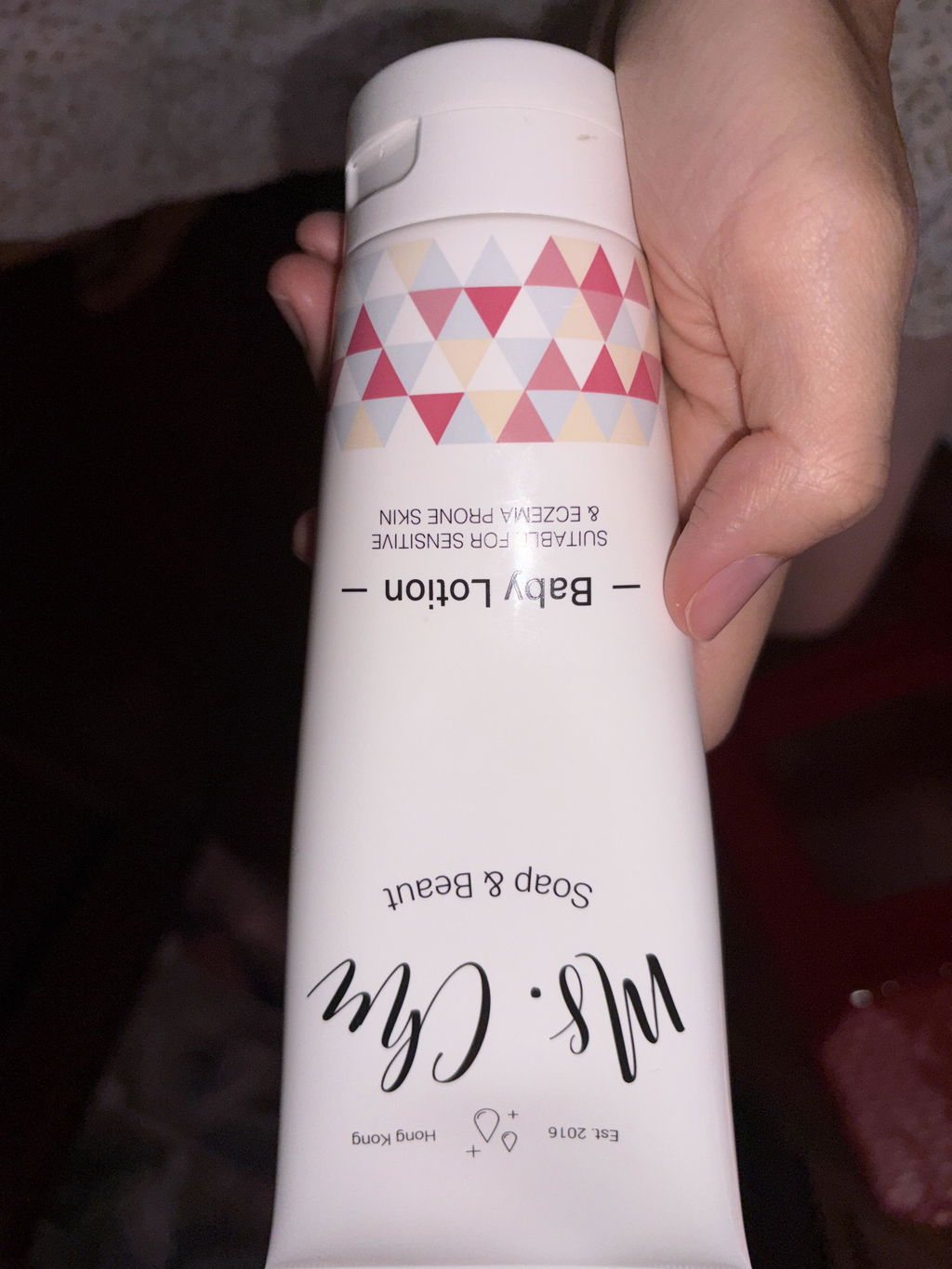
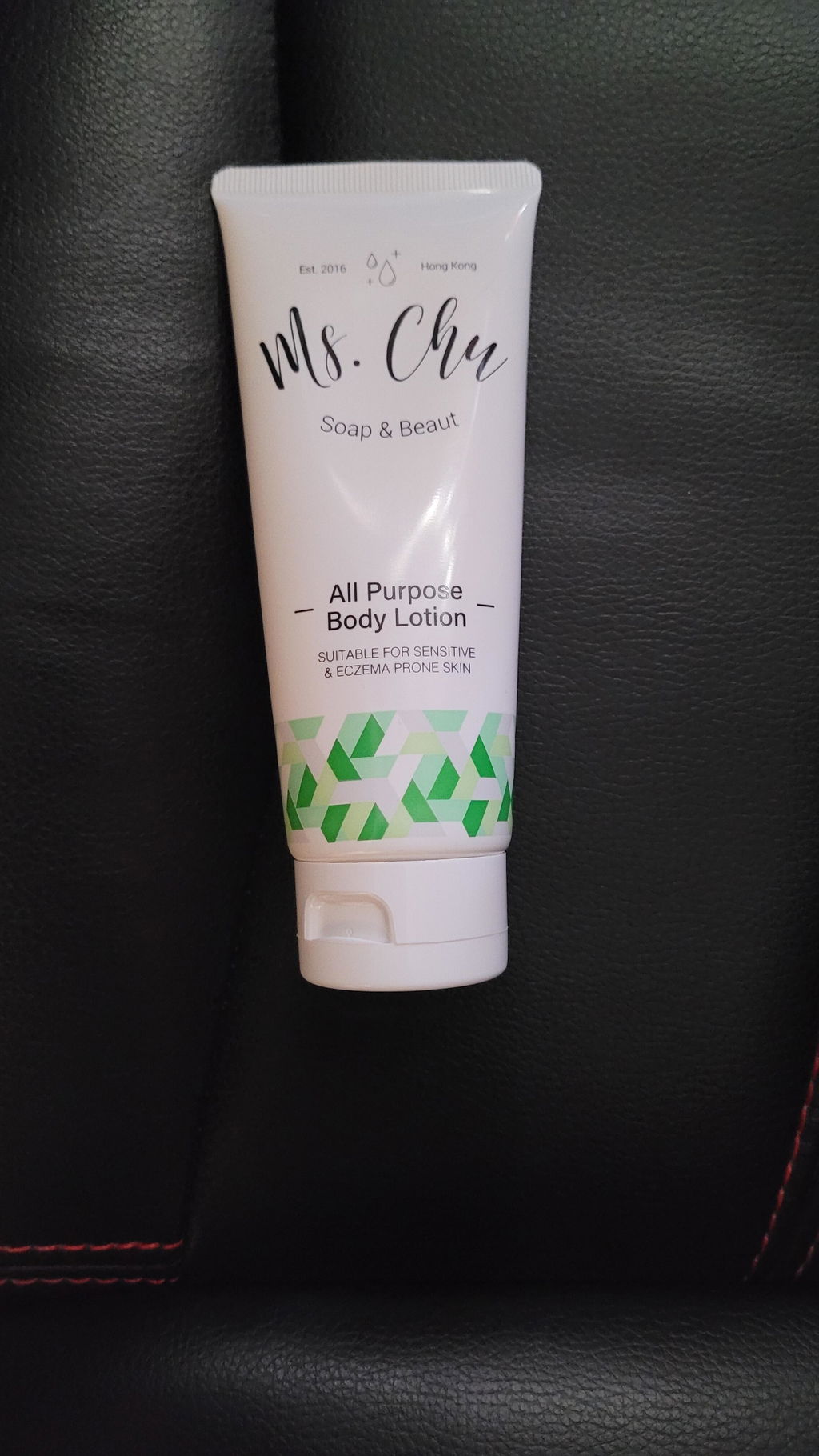
At Ms. Chu, we understand the anxiety of finding safe products. Our entire baby and sensitive skin lines are rigorously audited to be 100% G6PD-safe. We use gentle, non-oxidative botanicals like Calendula, Chamomile, and Zinc Oxide to soothe and protect the skin without any hidden risks.
Baby Eczema Combo

A complete, G6PD-safe care routine designed to gently cleanse, deeply moisturize, and protect your baby's delicate skin barrier.
References
- G6PD Deficiency Foundation. (2022). Drugs and Chemicals to Avoid.
- Journal of Pediatrics. (2020). Topical absorption of oxidative agents in infants.
Frequently Asked Questions
Can skincare really trigger a G6PD reaction, or is it only food?
Food triggers like fava beans are the best known, but skin absorbs ingredients too. Oxidative agents such as camphor and menthol can pass through the skin barrier, and an infant's barrier is thinner than an adult's, so absorption is higher. Topical products are worth checking as carefully as food.
Why is camphor a problem for G6PD deficiency?
Camphor is a potent oxidative agent. G6PD deficiency means red blood cells lack the enzyme that protects them from oxidative stress, so an oxidative trigger can cause those cells to break down prematurely. Camphor appears in cooling gels, muscle rubs and many anti-itch creams, including some sold for children.
Is salicylic acid safe for a child with G6PD deficiency?
Salicylic acid and aspirin derivatives are on the avoid list. They are common in acne treatments, exfoliating cleansers and some scalp products, where they may be listed as BHA or beta hydroxy acid rather than by name.
Does natural or organic mean a product is G6PD-safe?
No. Camphor, menthol and several legume extracts are all natural, and all appear on this list. Natural describes where an ingredient comes from, not how it behaves on skin. Read the full ingredient list rather than the front of the pack.
What is the fastest way to check a product before buying it?
Scan the full ingredient list for camphor, menthol, salicylic acid, synthetic fragrance and dyes, and legume extracts. If the full list is not printed on the pack or shown on the site, treat that as a reason to pause.