




 MEMBER REWARDS

Transitioning from Topical Steroids: A Safe & Natural Guide (2026 Scientific Refresh)
Topical Steroid Withdrawal (TSW) causes severe redness and burning when stopping steroid creams, requiring pH 5.5 barrier repair for natural recovery.
Topical corticosteroids are frequently prescribed to manage eczema and severe skin inflammation. However, prolonged or inappropriate use can lead to a severe condition known as Topical Steroid Withdrawal (TSW), also referred to as Red Skin Syndrome or topical steroid addiction. When you stop using the creams, the skin can erupt in intense redness, burning, and flaking that is often much worse than the original eczema. Transitioning away from topical steroids is a challenging journey that requires immense patience and extremely gentle care. In this 2026 scientific refresh guide, we will explore what TSW is, its symptoms, and how to support your skin's natural healing process using safe, chemical-free skincare grounded in Green Chemistry.
Table of Content
What is Topical Steroid Withdrawal (TSW)?
Topical Steroid Withdrawal (TSW) is an adverse reaction that occurs when a person stops using topical steroid creams after prolonged, frequent use. Over time, the skin builds a tolerance to the steroids, requiring higher potencies to achieve the same effect. When the steroids are discontinued, the blood vessels in the skin, which were previously constricted by the medication, rapidly dilate. This causes a massive inflammatory response.
It is important to note that TSW is different from a standard eczema flare-up. The rash often spreads to areas where eczema was never present, and the physical sensations—such as deep bone-itch and burning—are distinctly more severe.
Recognizing the Symptoms of TSW
The symptoms of TSW can be physically and emotionally exhausting. They typically unfold in stages and may include:
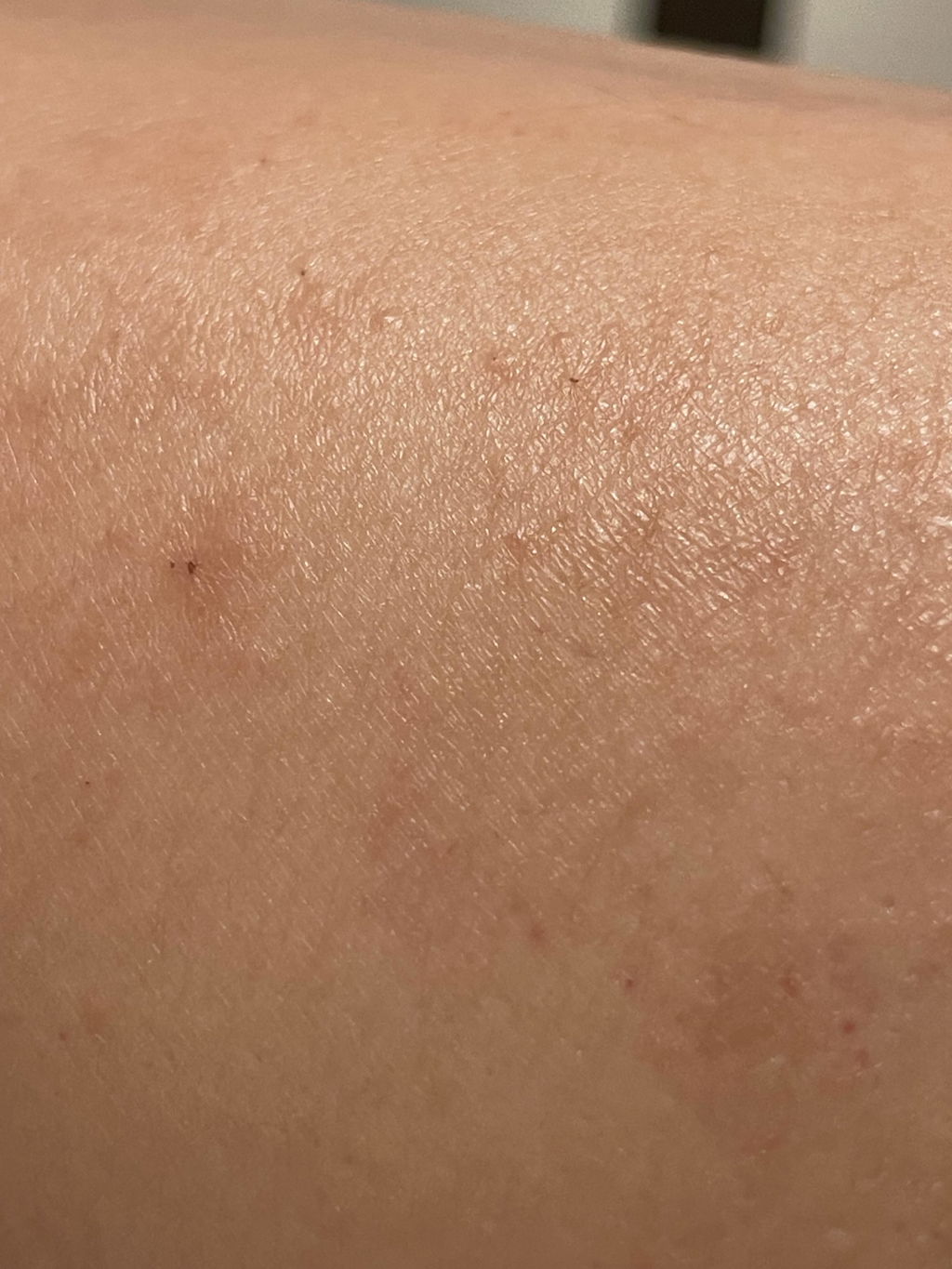
- Intense Redness: The skin becomes bright red, often resembling a severe sunburn (Red Skin Syndrome).
- Burning and Stinging: A constant sensation of heat radiating from the skin.
- Oozing and Weeping: The skin may weep a clear or yellowish fluid, which then crusts over.
- Excessive Flaking: As the skin attempts to heal, it sheds rapidly, often referred to as "snowing."
- Edema (Swelling): Swollen lymph nodes and generalized swelling, particularly around the face and eyes.
- Temperature Dysregulation: Feeling excessively cold or experiencing chills due to the skin's inability to regulate body temperature.
Supporting Your Skin Naturally During TSW
Healing from TSW takes time—often months or even years. During this period, the skin's barrier is completely compromised, making it hyper-sensitive to almost everything. A minimalist, natural approach is crucial.
1. Eliminate Irritants: Stop using all products containing synthetic fragrances, parabens, sulfates, and harsh preservatives. Even products labeled "for sensitive skin" can cause burning during TSW if they contain chemical additives.
2. Gentle Cooling: To manage the intense burning sensation, use cooling compresses or natural, aloe-based gels kept in the refrigerator. Avoid ice directly on the skin, as extreme cold can cause further damage.
3. Barrier Repair: The skin needs help rebuilding its natural lipid barrier. Look for rich, natural emollients containing ingredients like calendula, which has renowned anti-inflammatory and wound-healing properties. Apply gently without rubbing.
4. Moisture Withdrawal (MW): Some individuals find relief through Moisture Withdrawal—a method where moisturizers are strictly limited to encourage the skin to produce its own oils. If you choose to moisturize, ensure the product is 100% natural and food-grade to prevent stinging.
Founder's Note: The Science of pH 5.5 Recovery (2026 Update)
From Cindy Chu, Chemical Engineer & Founder of Ms. Chu
As a chemical engineer, I approach TSW recovery through the lens of formulation science. The healthy skin barrier maintains a pH of approximately 5.5—the acidic mantle—which serves as the body's first line of defence against pathogens like Staphylococcus aureus, a bacterium frequently linked to eczema flare-ups. Prolonged steroid use disrupts this delicate acid-base equilibrium, raising the skin's pH and leaving it vulnerable to microbial colonization and chronic inflammation.
At Ms. Chu, our formulations are built on the principles of Green Chemistry—using naturally derived, environmentally responsible ingredients that work in harmony with the skin's biology rather than against it. Every product in our TSW-support range is calibrated to a pH of 5.5, specifically designed to help reconstruct the acidic mantle during the withdrawal process. We use food-grade botanical actives such as calendula, chamomile, and cold-pressed plant oils that deliver biomimetic lipids to reinforce the compromised barrier.
This is not about masking symptoms—it is about engineering the conditions for genuine skin recovery. By restoring pH balance and supplying the structural lipids the skin needs, we support the body's own healing mechanisms without introducing synthetic irritants. That is the science behind every Ms. Chu product.
A Note on G6PD Deficiency
For parents of babies with G6PD deficiency, finding safe skincare is paramount. All Ms. Chu products are formulated to be G6PD-safe, free from triggers like camphor, menthol, and salicylic acid. This ensures that even the most vulnerable, compromised skin can be treated safely.
Product Recommendations
No No Itchy Gel

During the burning and intensely itchy phases of TSW, this lightweight, natural gel provides immediate cooling relief. Formulated with soothing botanical extracts, it calms the skin without the stinging associated with chemical-laden creams.
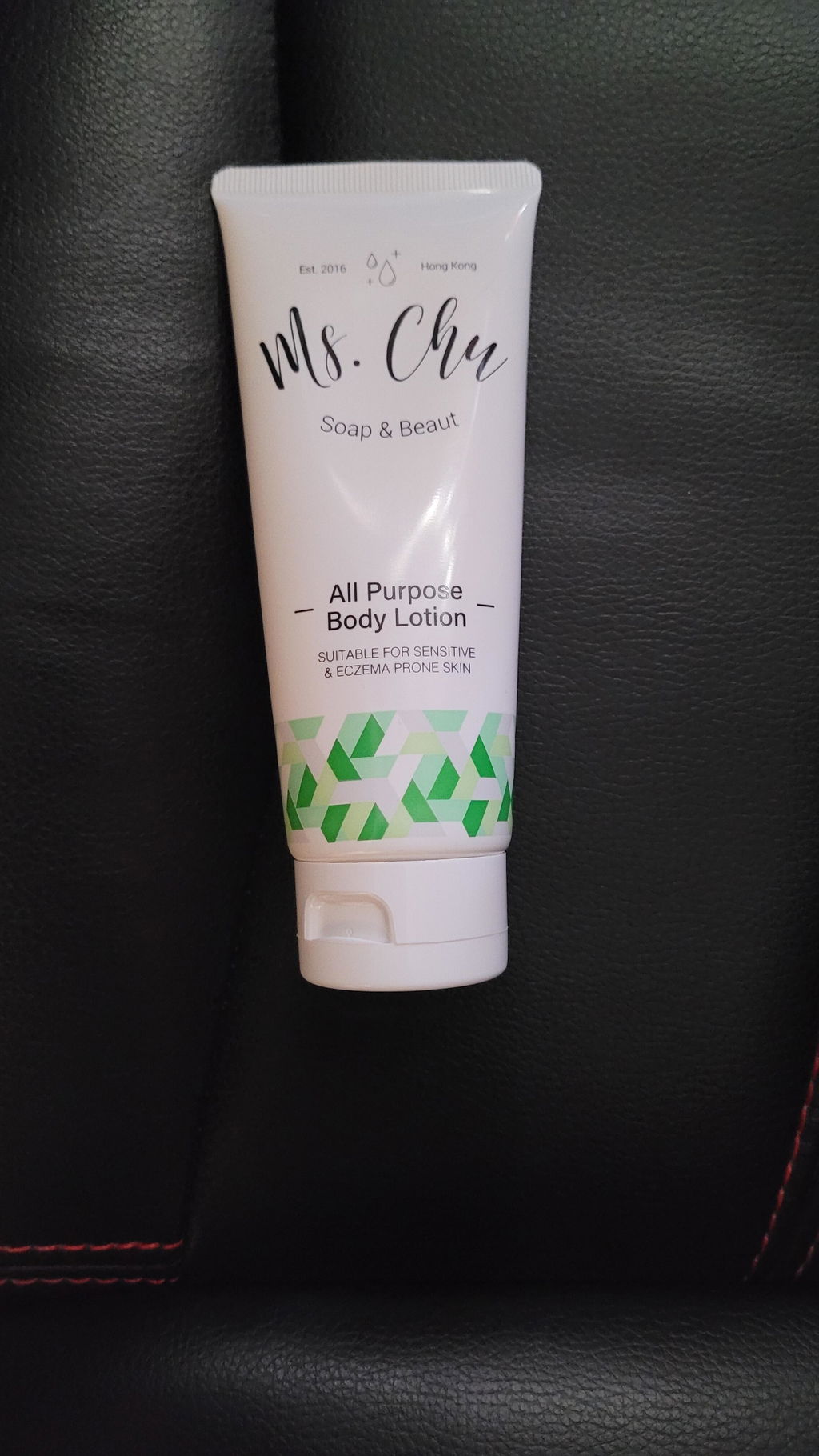
All Purpose Lotion

When the skin enters the dry, flaking stage of withdrawal, it desperately needs barrier support. This rich cream harnesses the healing power of calendula to deeply nourish, repair, and protect compromised skin safely and naturally.
Frequently Asked Questions
How long does Topical Steroid Withdrawal last?
The duration of TSW varies greatly from person to person. It depends on the potency of the steroids used, the duration of use, and the individual's skin. Recovery can take anywhere from several months to a few years. Patience and gentle care are essential.
Is TSW the same as my original eczema coming back?
No. While it can be confusing, TSW symptoms are typically much more severe than the original eczema. TSW often involves bright red, burning skin that spreads to areas where you never applied steroids, along with distinct symptoms like "zingers" (nerve pain) and excessive flaking.
Why does water hurt my skin during TSW?
During TSW, the skin's protective barrier is stripped away, leaving nerve endings exposed. Even plain water can cause a stinging or burning sensation. Many individuals limit bathing or use extremely gentle, natural cleansers to minimize discomfort.
How can I manage steroid withdrawal symptoms naturally?
As a chemical engineer, I formulate steroid-free solutions using Green Chemistry to repair the skin barrier. Our pH 5.5 balanced formulas at Ms. Chu inhibit S. aureus and restore the acidic mantle, providing natural relief without the rebound effects of topical steroids. If you are experiencing severe TSW symptoms, always consult a dermatologist alongside using gentle, natural skincare.
What is the best natural skincare for face eczema during steroid weaning?
From a formulation science perspective, face eczema during steroid weaning requires minimalist, food-grade ingredients. Steroids thin the skin over time; as an engineer, I focus on structural integrity. Our routines at Ms. Chu use high-purity botanicals to stop eczema itching by stabilizing the skin microbiome. This reduces reliance on hydrocortisone, especially in humid climates where moisture loss and bacterial overgrowth accelerate itch cycles.
References
- National Eczema Society. "Topical Steroid Withdrawal (TSW)." eczema.org
- Hajar, T., et al. "A systematic review of topical corticosteroid withdrawal." Journal of the American Academy of Dermatology (2015).
- Lambers, H., et al. "Natural skin surface pH is on average below 5, which is beneficial for its resident flora." International Journal of Cosmetic Science (2006).
- Anastas, P.T. & Warner, J.C. "Green Chemistry: Theory and Practice." Oxford University Press (1998).
Frequently Asked Questions
What is Topical Steroid Withdrawal (TSW) and how does it affect eczema?
Topical Steroid Withdrawal (TSW) is an inflammatory skin reaction occurring after discontinuing long-term topical steroid use, marked by redness, burning, and intense flaking that often surpasses the original eczema severity. Ms. Chu's plant-based, eczema-friendly products support gentle skin recovery during TSW without harsh chemicals, ideal for sensitive and G6PD-safe skin.
Which natural ingredients help soothe skin during Topical Steroid Withdrawal?
Natural ingredients like calendula, shea butter, and zinc oxide effectively soothe skin during Topical Steroid Withdrawal by reducing inflammation and repairing the skin barrier. Ms. Chu’s skincare leverages these 100% plant-based, cruelty-free components, ensuring safe support for eczema-prone and sensitive skin, even for those with G6PD deficiency.
Why is it essential to use pH 5.5 skincare products when transitioning from topical steroids?
Using pH 5.5 skincare products is essential when transitioning from topical steroids because this pH restores the skin's natural acid mantle, which promotes barrier repair and minimizes irritation during Topical Steroid Withdrawal. Ms. Chu’s formulations maintain this balanced pH, designed by chemical engineer Cindy Chu to protect sensitive and eczema-prone skin safely.
Can Ms. Chu's products be used safely during the transition off topical steroids?
Yes, Ms. Chu’s products are safe to use during transition off topical steroids as they are free from synthetic chemicals and enriched with plant-based, eczema-friendly ingredients like calendula and shea butter. Their G6PD-safe and cruelty-free formulations help restore skin health gently for all ages, including newborns with sensitive or eczema-prone skin.
How can I naturally support my skin barrier repair after stopping topical steroids?
To support skin barrier repair naturally after stopping topical steroids, use gentle, chemical-free products containing zinc oxide and hydrating botanicals at a pH of 5.5; these help reduce inflammation and promote healing. Ms. Chu’s scientifically formulated skincare, developed by Cindy Chu, combines these principles with G6PD-safe, cruelty-free ingredients ideal for eczema and sensitive skin recovery.


Leave a comment