




 MEMBER REWARDS

Baby Heat Rash in Hong Kong: Symptoms, Natural Treatment & Prevention Guide
Baby heat rash (miliaria) develops when immature sweat ducts become blocked in hot, humid weather — trapping sweat beneath the skin and triggering inflammation, redness, and intense itching.
In Hong Kong's subtropical climate, the constant shift between outdoor heat and indoor air-conditioning makes babies especially vulnerable. This guide covers the three types of miliaria, how to spot the symptoms, five practical prevention methods, and the formulation science behind choosing the right skincare — so you can treat and prevent heat rash safely and naturally.
Table of Content
The 3 Types of Baby Heat Rash (Miliaria)
Not all heat rash is the same. Understanding which type your baby has helps you choose the right treatment approach.
1. Miliaria Crystallina (Crystalline Heat Rash)
The mildest form. It appears as tiny, clear or white fluid-filled blisters on the skin surface. These blisters burst easily and are generally painless and itch-free. They occur when the blockage is at the very top of the sweat duct, just beneath the outer layer of skin.
2. Miliaria Rubra (Red Heat Rash / Prickly Heat)
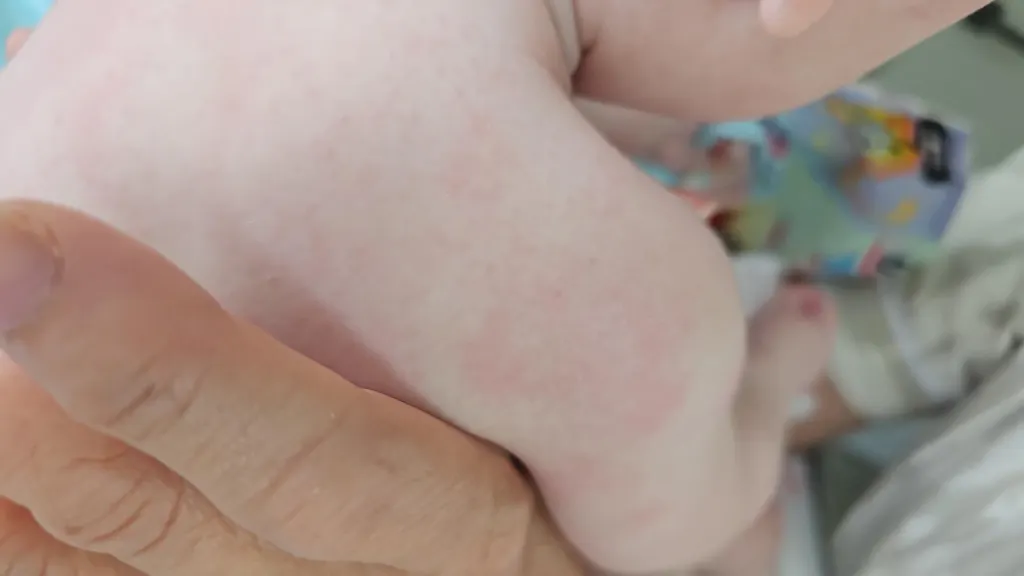
The most common type. The skin develops red papules (bumps) accompanied by a prickling, stinging itch. The blockage occurs deeper in the sweat duct, triggering an inflammatory response. Babies with miliaria rubra are often visibly uncomfortable — fussy, restless, and difficult to settle.
3. Miliaria Profunda (Deep Heat Rash)
The least common and most severe form, typically occurring in babies who have had repeated episodes of miliaria rubra. The blockage occurs in the dermis (the deeper layer of skin), causing firm, flesh-coloured bumps. Because the sweat cannot escape at all, this form can lead to more serious skin inflammation and may require medical attention.
Symptoms: How to Tell If Your Baby Has Heat Rash
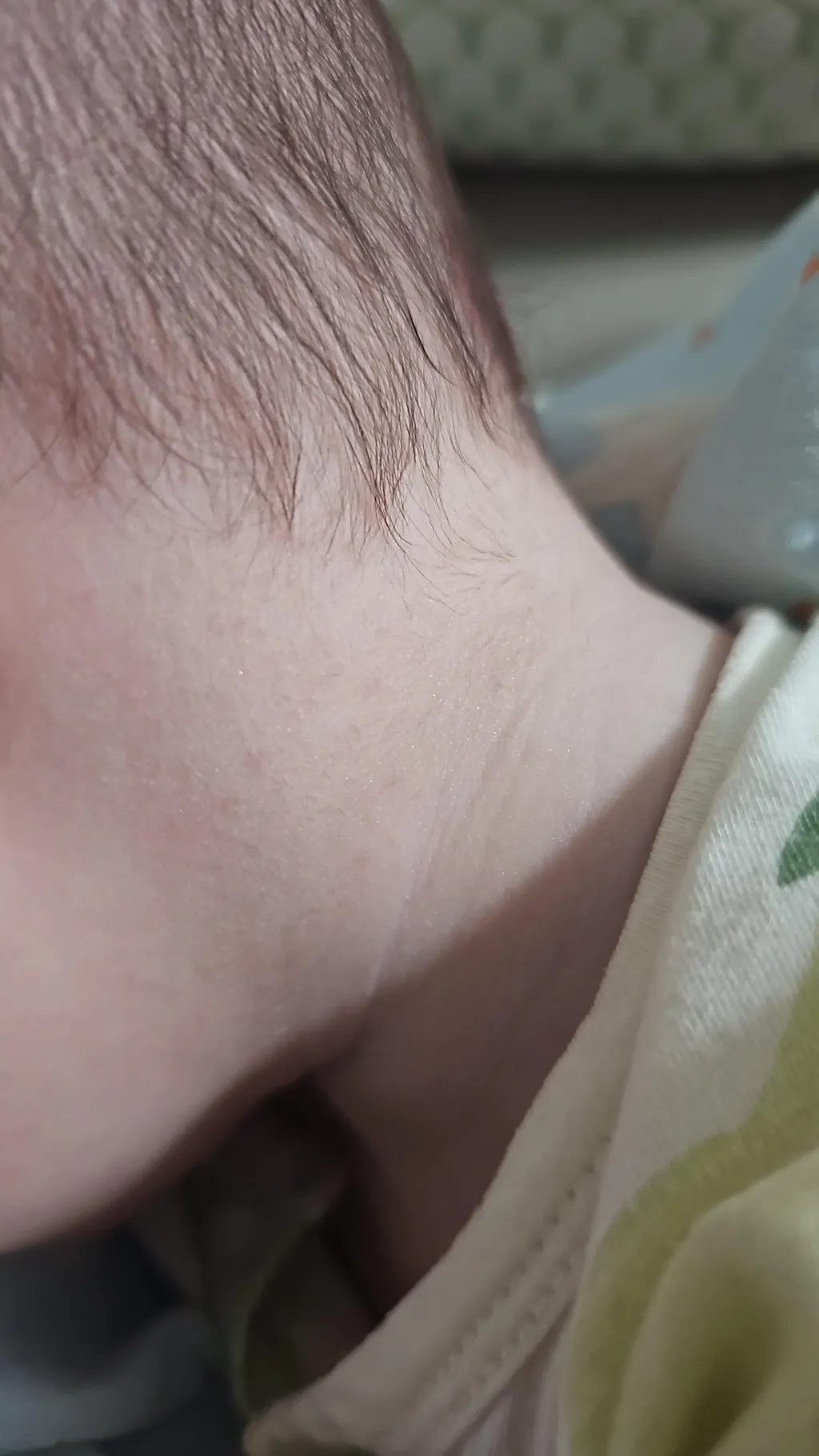
Heat rash typically appears in areas where sweat collects or clothing causes friction. Look for these signs:
- Clusters of tiny red bumps or clear blisters — most commonly on the neck, back, armpits, and groin
- Frequent scratching, fussiness, or crying (due to the prickling itch)
- A slightly rough, grainy texture to the skin, sometimes with mild peeling
- Symptoms that worsen in hot, stuffy environments and improve when the baby is cooled down
When to see a doctor: If the rash develops pus-filled blisters, your baby develops a fever, or the rash continues to worsen after 3 days of home treatment, consult a paediatrician immediately. These signs may indicate a secondary bacterial infection such as impetigo.
5 Ways to Prevent Baby Heat Rash in Hong Kong
1. Keep the Environment Cool and Ventilated
Maintain indoor temperature between 24–26°C using air-conditioning or a fan (avoid directing airflow directly at the baby). Avoid taking your baby outdoors during peak midday heat. The extreme temperature swing between a 33°C street and a 20°C MTR station is itself a trigger — when a sweaty baby enters cold air, the sweat ducts constrict rapidly, trapping moisture under the skin.
2. Choose Breathable, Loose-Fitting Clothing
Prioritise 100% cotton, muslin, or ribbed cotton — these fabrics have superior breathability and moisture absorption compared to standard woven cotton. Bamboo fibre is also excellent for moisture-wicking. Avoid synthetic fabrics (polyester, nylon), wool, or any tight-fitting garments that trap heat. Use the "one less layer than an adult" rule: check the back of the neck — if it feels warm and damp, your baby is overdressed. Avoid high-neck collars or tight elastic waistbands if the rash is concentrated in those areas.
3. Keep Skin Folds Dry and Change Nappies Frequently
The nappy area, neck folds, inner thighs, and armpit creases are prime heat rash zones. Check and change nappies every 2–3 hours. After cleaning, gently pat dry — never rub. Apply a light barrier cream to the nappy area at each change. During tummy time, the neck folds open up and ventilate, which actively helps prevent heat rash in that area.
4. Bathe with Lukewarm Water — Avoid Over-Cleansing
Bathing is the most effective way to cool the skin and wash away sweat. Keep water temperature at 32–35°C (slightly cool to the touch). Hot water dilates capillaries and worsens the prickling sensation. If your baby sweats multiple times a day, a plain water rinse is sufficient — reserve a mild, pH 5.5 baby cleanser for once daily (e.g., before bedtime). Over-cleansing strips the protective sebum layer, weakening the skin barrier. After bathing, press dry with a soft cotton towel — never rub, as this can break the tops of the heat rash bumps and introduce bacteria.
5. Use the Right Baby Skincare — Trim Nails to Prevent Scratching
The golden rule for heat rash skincare: no heavy oils, no petroleum jelly, no thick butters. These seal the sweat duct openings and make the rash significantly worse. Choose fragrance-free, water-based, lightweight products specifically designed for infant skin. Also keep your baby's nails trimmed and smooth — babies instinctively scratch the itch, and broken skin from scratching is the primary route for bacterial secondary infection (impetigo).
What to Look for in a Baby Heat Rash Product
A baby's sweat ducts are structurally narrower than an adult's and not yet fully developed. This means any product that sits heavily on the skin — even a "natural" oil — can physically block the duct opening and worsen the rash. The formulation logic for a safe baby heat rash product is built on two principles: fully water-based (hydro-gel or hydro-solution) and small-molecule, high-breathability actives.
Ingredients to Look For
Plant Hydrosols as the Base (instead of plain water): Hydrosols carry the active compounds of the plant in a water-soluble form, providing both instant physical cooling and anti-inflammatory activity without any oiliness.
- Roman Chamomile Hydrosol — contains trace chamazulene, a well-documented anti-inflammatory and anti-allergic compound. Calms redness and capillary dilation. Safe for newborns.
- Organic Calendula Hydrosol — rich in flavonoids; promotes tissue repair and reduces inflammation in sweat-irritated skin.
- Lavender Hydrosol — mild antimicrobial and calming properties; soothes the prickling itch and helps settle an uncomfortable baby.
Water-Soluble Anti-Inflammatory Actives:
- Centella Asiatica (CICA) Extract — water-soluble form: Asiaticoside and madecassoside suppress inflammatory cytokines and repair the damaged keratin barrier. Completely water-phase; does not film over the skin.
- Allantoin: Derived from the comfrey plant. Promotes cell proliferation and accelerates healing of heat rash. Provides gentle, non-oily hydration to repair the barrier.
- Panthenol (Pro-Vitamin B5) at 1–2%: At low concentrations, remains water-soluble and lightweight. Converts to pantothenic acid in the skin, strengthening the barrier and reducing secondary irritation from sweat.
- Dipotassium Glycyrrhizinate (Licorice Root): A natural anti-allergic and anti-inflammatory agent widely used in infant skincare. Rapidly calms the acute redness and itch of active heat rash.
What to Avoid:
- Petroleum jelly, mineral oil, shea butter — seal the skin surface and trap heat
- Menthol or camphor — the cooling sensation adults enjoy is too stimulating for infant nervous systems and delicate skin
- Alcohol — drying and irritating to compromised infant skin
- High-molecular-weight hyaluronic acid — forms a film on the skin surface; choose low-molecular-weight HA only
The golden standard for a summer baby formula: oil-free, pH 5.5–6.0 (matching infant skin's natural acidity), alcohol-free, menthol-free, and camphor-free. These criteria protect the skin microbiome, prevent Staphylococcus aureus colonisation on heat-rash-affected skin, and ensure sweat ducts remain unobstructed.
Why Ms. Chu's Heat Rash Collection Checks Every Box
Every product in the Ms. Chu Heat Rash Collection was formulated by a Hong Kong chemical engineer with exactly these criteria in mind — water-based, oil-free, built on plant hydrosols and water-soluble actives including Roman Chamomile, Calendula, CICA, Allantoin, and Panthenol. No petroleum derivatives, no menthol, no camphor, and fully G6PD-safe. The formulas were designed specifically for Hong Kong's subtropical climate, where babies need cooling and anti-inflammatory support without anything that could worsen a blocked sweat duct.
A Note on G6PD Deficiency
For parents of babies with G6PD deficiency, finding safe skincare is paramount. All Ms. Chu products are formulated to be G6PD-safe, free from triggers like camphor, menthol, and salicylic acid.
Product Recommendations
Step 1 — Organic Baby Toner: Cool & Cleanse

After a lukewarm bath, mist the Organic Baby Toner onto the affected areas. Formulated with Roman Chamomile and Calendula hydrosols, it instantly cools the skin surface, balances pH, and begins calming the inflammatory response — without leaving any residue that could block sweat ducts.
Step 2 — No-No Itchy Gel: Stop the Itch

Apply No-No Itchy Gel directly to the red bumps. This water-based gel contains CICA, Allantoin, and Dipotassium Glycyrrhizinate — the exact water-soluble anti-inflammatory actives described above. It absorbs instantly, provides immediate cooling relief, reduces redness, and stops the itch without steroids or menthol.
Step 3 — Baby Day Cream: Breathable Daily Protection

For daily moisturising during Hong Kong's humid summer, the Baby Day Cream provides the hydration needed to maintain the skin barrier while remaining ultra-lightweight and breathable. It keeps sweat glands clear — the opposite of heavy petroleum-based creams that seal the skin and worsen heat rash.
Shop the Full Heat Rash Collection
Frequently Asked Questions
How long does baby heat rash last?
With proper cooling, breathable clothing, and lightweight water-based skincare, baby heat rash typically clears within 2 to 3 days. If it persists or develops pus-filled blisters, consult a paediatrician.
Should I use petroleum jelly on baby heat rash?
No. Petroleum jelly and thick mineral oils physically seal the sweat duct openings, trapping more heat and making the rash significantly worse. Always use lightweight, water-based, oil-free products.
Can baby heat rash trigger eczema?
Yes. The trapped sweat irritates the skin barrier, which can trigger an eczema flare-up in babies with eczema-prone skin. Keeping the skin cool, clean, and moisturised with a breathable cream helps prevent this secondary reaction.
Is it safe to use Ms. Chu products on a baby with G6PD deficiency?
Yes. All Ms. Chu products are formulated to be 100% G6PD-safe, free from camphor, menthol, peppermint, and salicylic acid — the key triggers to avoid for babies with G6PD deficiency.
Explore our complete eczema care resource: Natural Eczema Skincare in Hong Kong | Ms. Chu — The Complete Guide
References
- Guerra KC, Toncar A, Krishnamurthy K. Miliaria. [Updated 2023 Aug 8]. In: StatPearls [Internet]. Treasure Island (FL): StatPearls Publishing; 2024 Jan-.
- Schempp CM, et al. Topical anti-inflammatory activity of Calendula officinalis extracts. Planta Med. 2006.
- Brinkhaus B, et al. Chemical, pharmacological and clinical profile of the East Asian medical plant Centella asiatica. Phytomedicine. 2000.



Leave a comment