

 MEMBER REWARDS


Cradle Cap (Seborrhoeic Dermatitis): A Chemical Engineer's Guide to Natural Treatment
|
|
Time to read 13 min
|
|
Time to read 13 min
Cradle cap is caused by overactive sebaceous glands stimulated by residual maternal hormones, combined with Malassezia yeast colonisation on infant skin.
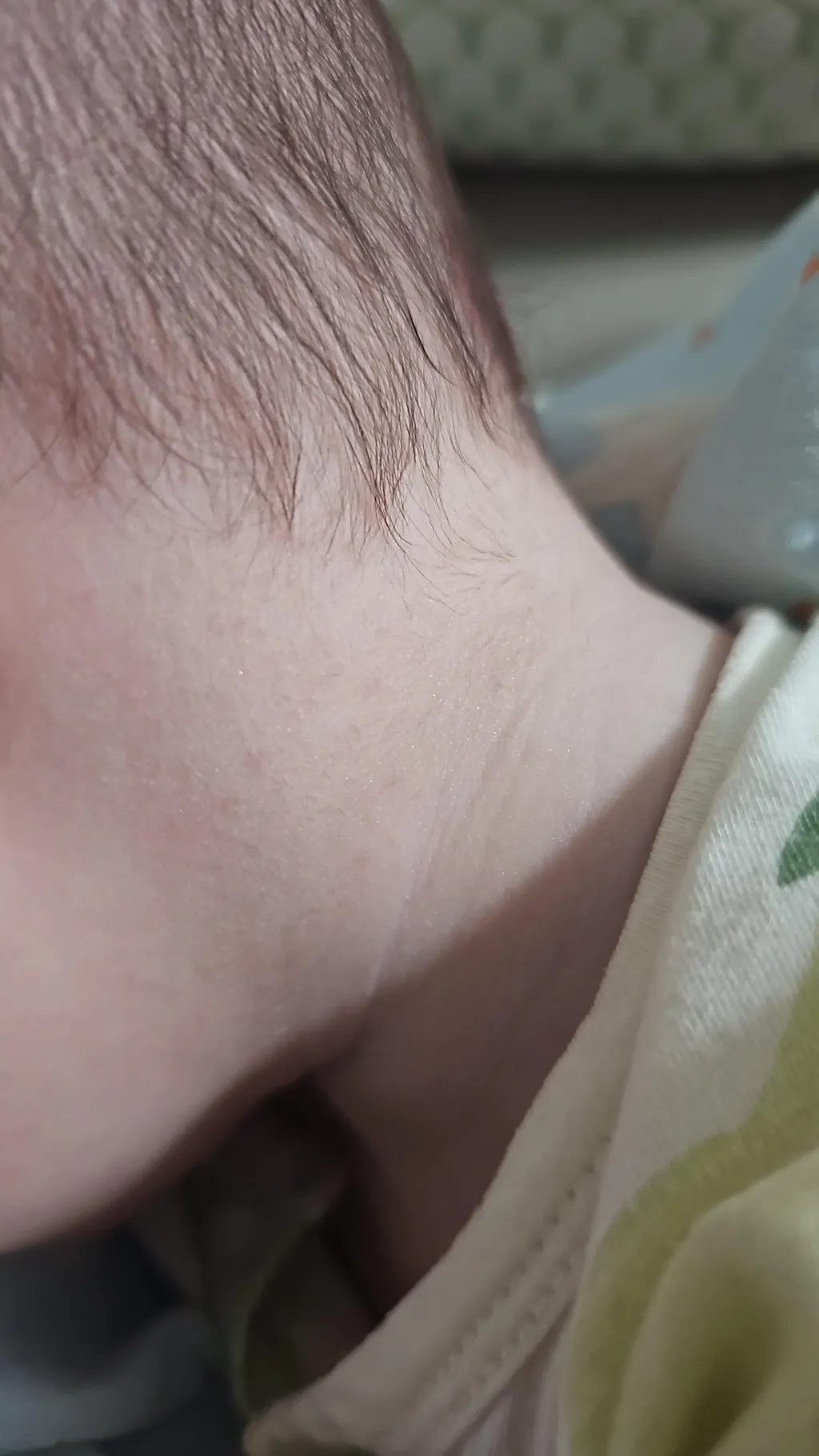
Many parents encounter cradle cap—medically known as seborrhoeic dermatitis in babies—within the first few months of their child’s life. Characterized by scaly, flaky patches on the scalp, this condition can cause concern, but it is generally harmless and manageable. This comprehensive guide, written by a chemical engineer and skincare formulator, dives deeply into the science behind cradle cap, its causes including the role of Malassezia yeast and maternal hormones, the unique lipid composition of infant skin, and why gentle oil-based treatments are the safest and most effective approach. We also explain why harsh chemical treatments commonly used in adult dandruff care are unsuitable for babies. Throughout, you will find natural product recommendations from Ms. Chu tailored specifically for infants, ensuring safe and effective cradle cap treatment that respects the delicate nature of baby skin.
Table of Content
Cradle cap is a form of seborrhoeic dermatitis caused by an interplay of skin physiology, yeast colonization, and hormonal activity. This common infant skin condition typically appears as greasy, yellowish, scaly patches on the scalp and sometimes the face or behind the ears. While the exact cause is multifactorial, key contributors include the activity of the Malassezia yeast species and the influence of maternal hormones passed to the baby.
Malassezia is a lipophilic yeast naturally present on human skin, thriving particularly in oily, sebaceous-rich areas. In infants, sebaceous glands are stimulated by maternal androgens transferred prenatally and via breastfeeding, causing increased sebum production. This excess sebum provides a nutrient-rich environment for Malassezia proliferation, which in turn triggers an inflammatory response resulting in the characteristic scaling and redness.
The biology of Malassezia is unique; it requires lipids to survive and proliferate because it lacks the ability to synthesize certain fatty acids internally. This dependency on external lipids explains why high sebaceous gland activity in infants directly correlates with increased yeast growth. The yeast metabolizes skin lipids into irritant byproducts, which can disrupt the skin’s immune homeostasis and induce inflammation, leading to the visible symptoms of cradle cap.
Infant skin also differs chemically and structurally from adult skin. The lipid composition of baby skin contains different ratios of ceramides and fatty acids critical to the skin’s lipid barrier. This barrier is essential for maintaining moisture balance and protecting against irritants. In babies, the lipid barrier is still developing, often thinner and more permeable, which makes the scalp more susceptible to irritation and inflammation from both external factors and microbial overgrowth.
This understanding of infant skin physiology and microbiology underscores the importance of maintaining a balanced skin pH around 5.5, which supports the natural lipid barrier and limits excessive yeast growth. Disrupting this balance with harsh chemicals or excessive washing can exacerbate cradle cap rather than improve it.
Newborn infants experience 2 to 5 times higher transepidermal water loss (TEWL) than adults due to their thinner stratum corneum. The infant stratum corneum consists of only 10–15 cell layers, compared to 15–20 layers in adults, leading to greater water permeability and vulnerability to environmental factors.
In Hong Kong, the average relative humidity hovers around 78%, with peaks exceeding 90% during the "回南天" season (March-April). This creates a paradoxical environment where despite high ambient moisture, infant skin still loses excessive water due to its immature barrier.
This "humidity paradox" occurs because high humidity induces sweat gland overactivity, leading to sweat duct occlusion and miliaria (heat rash). Simultaneously, the immature lipid barrier cannot effectively retain endogenous moisture, resulting in dryness and increased TEWL.
Normal infant TEWL rates typically range between 6 to 8 g/m²/h, whereas eczematic or compromised skin can exhibit elevated TEWL levels of 25 to 30 g/m²/h, indicating severe barrier dysfunction.
Application of ceramide-rich emollients has been demonstrated to reduce TEWL by 30-40% within just 2 hours, effectively restoring the skin’s lipid barrier and reducing water loss (Elias PM, 2005). This rapid barrier repair is critical for managing conditions like cradle cap where barrier integrity is compromised.
Additionally, Hong Kong’s indoor air conditioning cycles between cool, dry conditions (~16°C and 40% relative humidity) and hot, humid outdoor air (~33°C and 90% relative humidity), causing "thermal shock" to the infant skin barrier. This frequent fluctuation stresses the already fragile skin, exacerbating dryness, irritation, and barrier disruption. Therefore, skincare products must support barrier repair and maintain skin pH 5.5 to mitigate environmental stressors effectively.
Gentle oil-based treatments that soften scales and support the skin’s lipid barrier are the safest approach to cradle cap treatment. Mechanical picking or scratching can damage the delicate scalp skin, potentially leading to secondary infections or scarring. Instead, emollient oils help to loosen and dissolve the thickened scale by restoring lipid content and moisturizing the epidermis.
Ms. Chu’s Baby Bath Oil is formulated to gently soften cradle cap scales without disrupting skin pH or lipid balance. The oil’s composition mimics natural skin lipids, reinforcing ceramides and essential fatty acids, crucial for lipid barrier repair. After softening, gentle cleansing with a mild baby shampoo such as Ms. Chu’s Baby Shampoo & Body Wash helps remove loosened flakes while maintaining the scalp’s optimal pH of 5.5.
For parents seeking targeted cradle cap care, using a specialized cradle cap cream can provide additional soothing and barrier protection to affected areas. These creams are designed to be gentle yet effective, complementing the oil and shampoo treatment steps.
Following cleansing, hydrating the scalp with a gentle, organic moisturizer such as Ms. Chu’s Organic Baby Lotion supports barrier recovery and prevents dryness. The lotion contains natural ingredients that uphold skin hydration and reduce inflammation without using harsh preservatives or irritants.
It is important to avoid anti-dandruff ingredients common in adult treatments, such as selenium sulfide, coal tar, salicylic acid, and menthol. These compounds can be toxic or irritating to infant skin and are not recommended in cradle cap treatment due to immature skin barrier and systemic absorption risks.
For detailed guidance on newborn and infant skin care, parents can refer to our comprehensive pillar guide: Newborn & Infant Skin Guide. Additionally, related skin concerns such as drool rash and infant eczema are addressed in our skincare cluster articles.
⚠️ Important Warning: Never use your fingernails to forcefully pick or scrape cradle cap scales off your baby's scalp! Infant scalp skin is extremely thin and delicate — forceful picking can easily injure the skin, break the lipid barrier, and lead to bacterial infection. If you notice redness, oozing pus, or an unusual smell around the cradle cap area, seek medical attention immediately.
Why do babies develop cradle cap just a few weeks after birth? In fact, cradle cap has no single specific cause and is not directly related to eczema. It may occur due to a baby's fast metabolism, which leads to the accumulation of dead skin cells on the scalp, forming what we call "cradle cap." Parents need not worry too much — cradle cap is most common between three weeks and three months of age, and in most cases it gradually fades by around six months.
During this period, parents must handle it with care. Never scrape, pick, or rub your baby's scalp — doing so will not truly remove the cradle cap. Instead, it may scratch your baby's delicate scalp, pull out hair, or even cause bleeding that leads to bacterial infection. At the same time, maintaining a good daily skincare routine can help cradle cap improve and fade, while preventing your baby from scratching and damaging their skin.
Cradle cap does not actually affect your baby's health and does not require special medical treatment. However, it can have a sour smell and affect appearance, so many parents understandably want to clear it away.
The common approach is to gently massage the scalp with baby oil or olive oil to soften the cradle cap, then rinse and apply moisturizer. Remember — never scrape, pick, or rub your baby's scalp. Even if large flakes have formed, resist the urge to remove them and let them fall off naturally.
However, olive oil can be quite greasy, leaving your baby's scalp oily after application. Many mothers worry that pure oil may clog pores, so they end up washing with shampoo or warm water multiple times. But over-washing strips away the oils, leaving skin insufficiently moisturized — and the cradle cap quickly returns. Is there a product that can satisfy both needs — gentle cleansing while simultaneously moisturizing and softening cradle cap?
Ms. Chu's best-selling product from the all-natural organic baby range — the All-Natural Organic Baby Bath Oil — is perfectly suited for improving cradle cap. Despite its name, it is actually a 4-in-1 product that works as a bath soak, body wash, shampoo, and conditioner. It gently cleanses while moisturizing your baby's delicate skin — nourishing without greasiness. One golden formula does it all!
Ms. Chu's All-Natural Organic Baby Bath Oil is made from imported pure natural organic ingredients, enriched with chamomile essential oil, jojoba oil, shea butter, and many other natural moisturizing, hydrating, and anti-inflammatory ingredients. It is absolutely gentle and non-irritating — cleansing the skin, soothing itchiness, and moisturizing simultaneously while repairing the damaged skin barrier. After use, it leaves a light, naturally fresh scent.
Removing cradle cap scales gently preserves the infant’s delicate skin and supports lipid barrier repair. The following step-by-step guide utilizes oil-based softening and pH-balanced cleansing to safely reduce crusts without irritation:
This gentle regimen aligns with Green Chemistry principles by minimizing harsh chemicals and focusing on natural lipid barrier support, essential for infant skin health.
Ms. Chu embraces Green Chemistry principles to create safe, effective, and environmentally friendly baby skincare products. Unlike many mass-market products that rely on petrochemical ingredients and synthetic additives, our formulations use biomimetic, plant-derived materials that support the infant skin’s natural lipid barrier and maintain an optimal pH of 5.5. Below is a detailed comparison highlighting key factors:
| Factor | Ms. Chu Green Chemistry | Mass-Market Products |
|---|---|---|
| Base/Emollient | Plant-derived biomimetic lipids such as calendula, chamomile, and cold-pressed oils that integrate with skin lipids. | Mineral oil and petrolatum (petroleum-derived), which form occlusive films without repairing the skin barrier. |
| pH | Formulated at pH 5.5 to match infant acidic mantle, supporting lipid barrier integrity and microbiome balance. | Often pH 6-7, which disrupts the acid mantle and impairs barrier function. |
| Preservatives | Natural preservation systems using vitamin E, rosemary extract, and other antioxidants, minimizing synthetic chemicals. | Parabens, phenoxyethanol, and other synthetic preservatives that may irritate sensitive infant skin. |
| Fragrance | Zero synthetic fragrance; uses naturally derived botanical extracts that are less likely to cause irritation. | Synthetic fragrances are common irritants, linked to allergic reactions and sensitization in babies. |
| G6PD Safety | Free from camphor, menthol, salicylic acid, and other known G6PD triggers. | May contain ingredients unsafe for G6PD-deficient infants, posing hemolytic risks. |
| Lipid Barrier | Contains ceramide-mimetic fatty acids and essential lipids that integrate into the stratum corneum, promoting barrier repair. | Forms an occlusive film on the skin surface that does not repair the barrier and may trap irritants. |
| Environmental | Biodegradable ingredients sustainably sourced with minimal ecological impact. | Petroleum-derived, non-biodegradable ingredients contributing to environmental pollution. |
Choosing Ms. Chu’s green chemistry formulations ensures your baby receives skincare that supports natural skin physiology, respects vulnerable infant skin, and aligns with environmentally friendly values.
Sometimes, what appears to be cradle cap may indicate other skin conditions requiring medical attention. While cradle cap is benign and self-limiting, differential diagnosis is important when symptoms deviate from typical presentation or worsen.
Conditions that can mimic or complicate cradle cap include:
If cradle cap scales become unusually thick, red, swollen, or do not improve with gentle treatment after several weeks, parents should consult a pediatrician or dermatologist. Accurate diagnosis ensures appropriate treatment that respects the infant’s delicate skin barrier and avoids harmful chemicals.
Ms. Chu products are formulated to be gentle and supportive for a variety of infant skin conditions, but persistent or atypical symptoms warrant professional evaluation.
For parents of babies with G6PD deficiency, finding safe skincare is paramount. All Ms. Chu products are formulated to be G6PD-safe, free from triggers like camphor, menthol, and salicylic acid.

This gentle, natural oil softens cradle cap scales by replenishing ceramides and fatty acids, aiding in lipid barrier repair while maintaining the skin’s pH balance. Perfect for delicate baby scalp care, it facilitates safe scale removal without irritation.

A mild, pH-balanced cleanser designed specifically for infants, this shampoo gently removes softened cradle cap flakes while preserving the scalp’s lipid barrier and natural microbiome, avoiding harsh surfactants and irritants. This cradle cap shampoo is ideal for maintaining scalp health without irritation.

This organic lotion hydrates and soothes the infant scalp post-cleansing, enriched with natural emollients that reinforce the lipid barrier, reduce inflammation, and maintain the skin’s healthy pH of 5.5.
Cradle cap is caused by increased sebum and Malassezia yeast overgrowth on the scalp. Maternal hormones transferred to the baby stimulate sebaceous glands, producing excess sebum that nourishes Malassezia yeast. This yeast proliferation triggers inflammation and flaky, scaly patches characteristic of seborrhoeic dermatitis baby. Maintaining skin pH 5.5 and a healthy lipid barrier is essential to control this condition effectively.
Picking or scratching cradle cap scales is unsafe and can damage the delicate skin barrier. Mechanical trauma can cause irritation, inflammation, and secondary infections. Instead, gentle oil-based emollients soften the scales by replenishing skin lipids like ceramides and fatty acids, supporting barrier repair and safe scale removal.
Harsh anti-dandruff ingredients like selenium sulfide and coal tar are unsafe for infant skin. Baby skin has a thinner lipid barrier and higher permeability, making it more vulnerable to irritation and systemic absorption of toxic substances. Ms. Chu emphasizes green chemistry and pH-balanced natural ingredients to protect infant skin health.
Infant skin has a developing lipid barrier with different ceramide and fatty acid profiles than adults. This immature barrier is more permeable and less protective, making the scalp prone to inflammation and yeast overgrowth. Supporting lipid barrier repair with emollients at pH 5.5 helps reduce cradle cap severity and supports healthy skin development.
Yes, all Ms. Chu products are formulated without camphor, menthol, or salicylic acid, making them safe for G6PD-deficient babies. This careful formulation respects the unique sensitivities of infants with this condition, ensuring safe cradle cap treatment without risk of hemolytic triggers.
Treat cradle cap 2-3 times weekly using gentle oil softening and mild cleansing. Over-washing can disrupt skin pH and lipid barrier, so maintaining a balance around pH 5.5 is critical to avoid worsening inflammation and dryness.
Cradle cap often resolves naturally as the infant’s skin matures. However, supporting lipid barrier repair with gentle, pH-balanced products from Ms. Chu can reduce discomfort and speed healing while preventing secondary infections.
Explore our complete eczema care resource: Natural Eczema Skincare in Hong Kong | Ms. Chu — The Complete Guide
Up to 59% of gift rebate on orders over HKD700! The more you spend, the bigger gift rebate we offer! Click here for more promotion detail while supply last!
Spend HKD2,500 accumulative in rolling 12 month period to earn 2X reward points. Spend HKD5,000 and earn 3X reward points, Spend HKD10,000 and earn 4X reward points! Click here for more VIP privileges!