




 MEMBER REWARDS

Sensitive Skin or Eczema? How to Tell the Difference
Does your face feel tight after washing, or sting after a new skincare product? Before adding more products, notice what the skin looks like, how long symptoms last and whether the same patches keep returning.
Sensitive skin vs eczema: four clues to observe

| Clue | Sensitive skin | Atopic eczema |
|---|---|---|
| Sensation | Stinging, burning or tightness; itching is possible too | Itch is a key feature and can disturb sleep; severity varies |
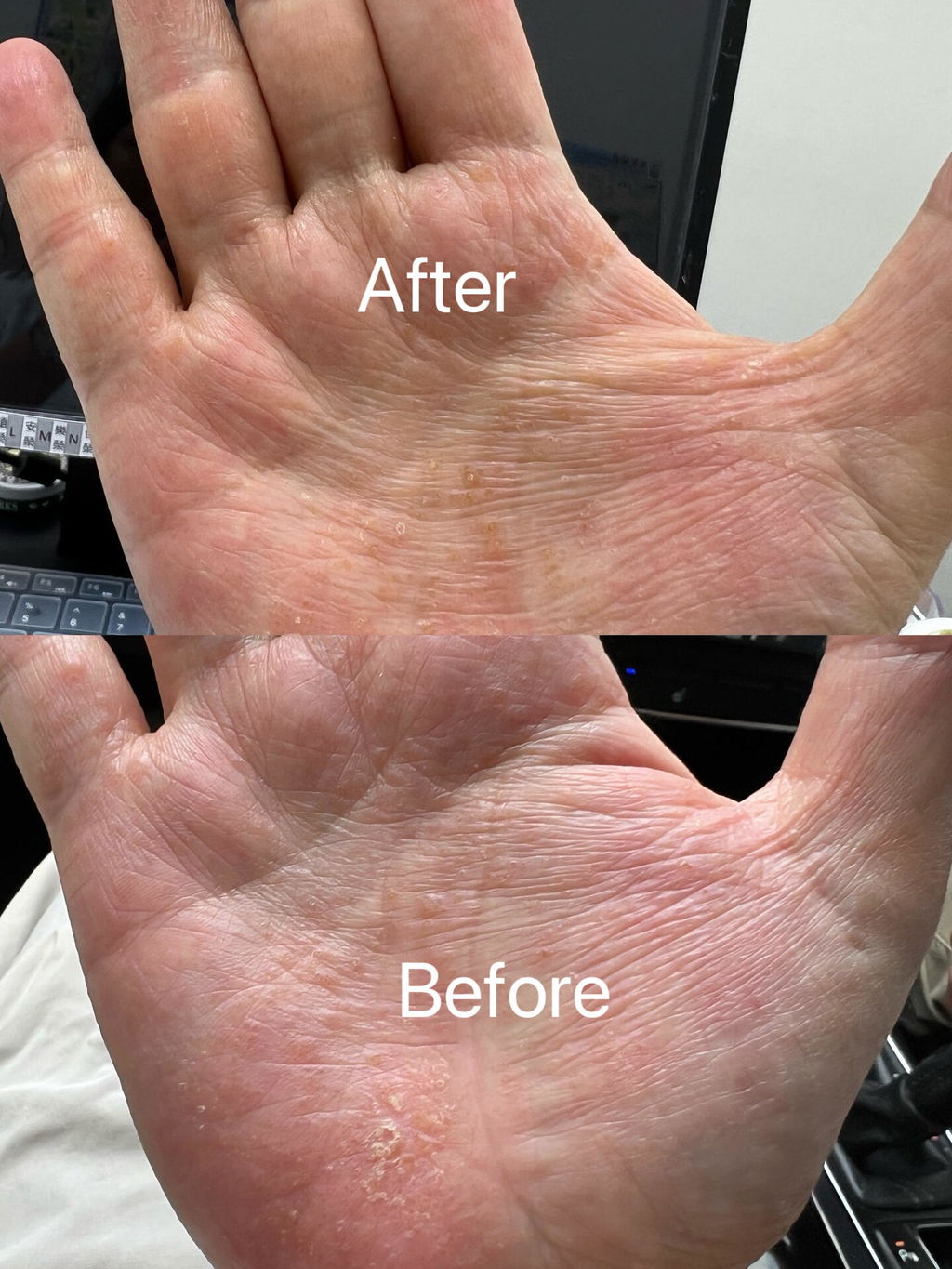
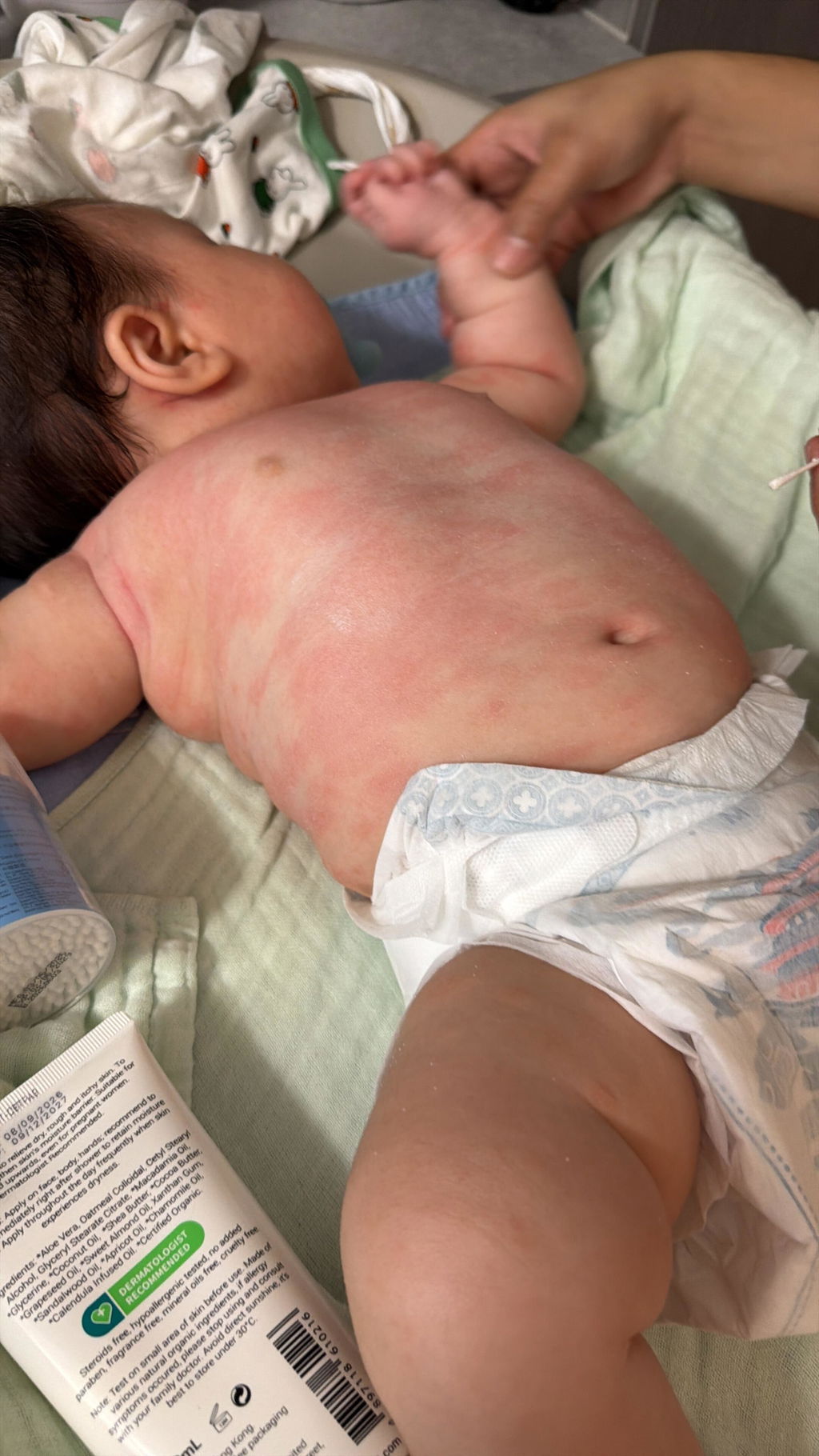
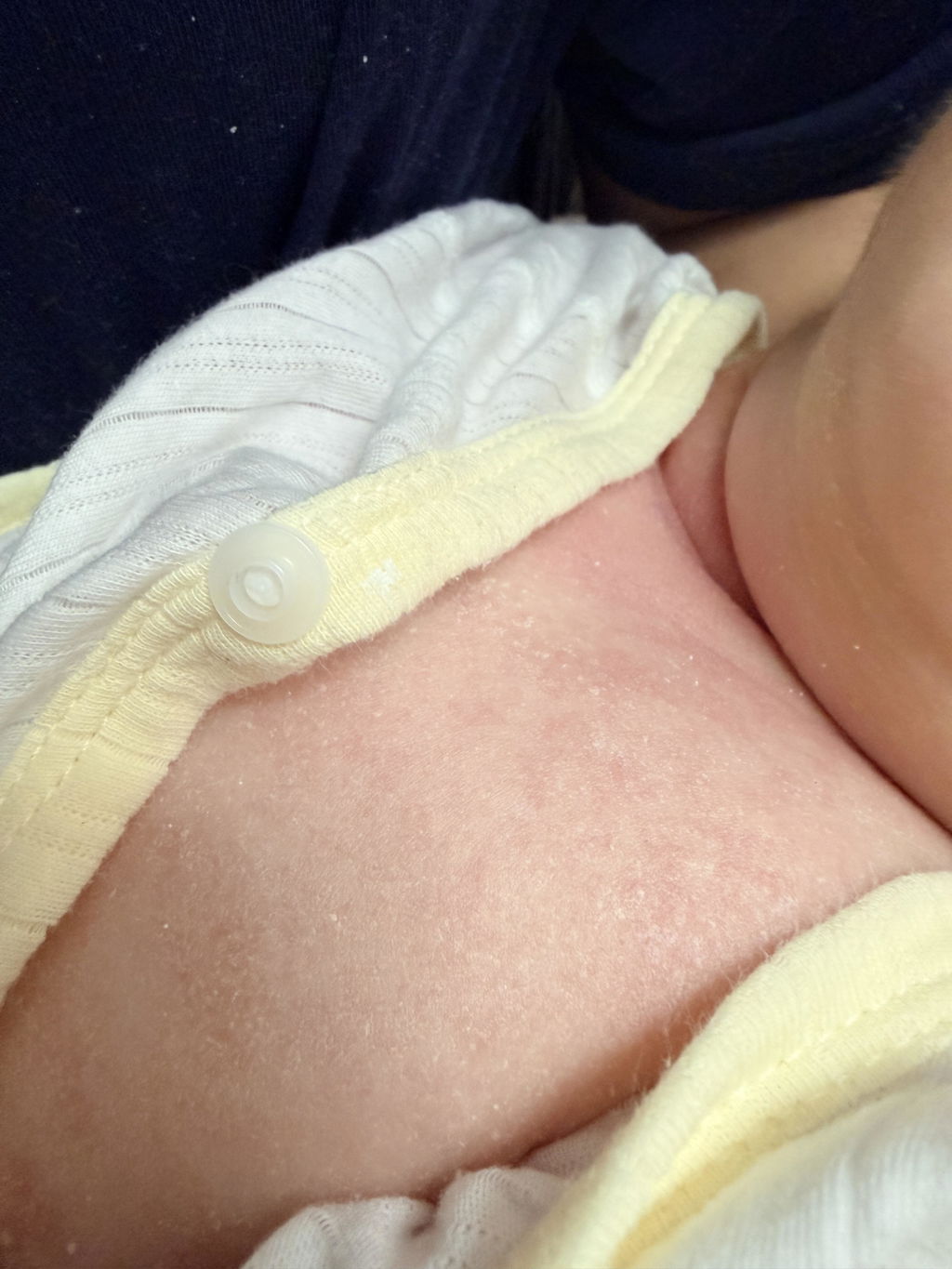
| Appearance | May look normal or show redness, dryness or flaking | Dry, inflamed, rough or scaly patches; repeated scratching can thicken skin |
| Timing | May relate to products or surroundings, or persist; reactions are not always immediate or short-lived | Often alternates between flares and quieter periods |
| Location | Often described on the face but can occur elsewhere | Patterns vary with age: cheeks in babies, folds in older children, and hands or eyelids among possible adult sites |
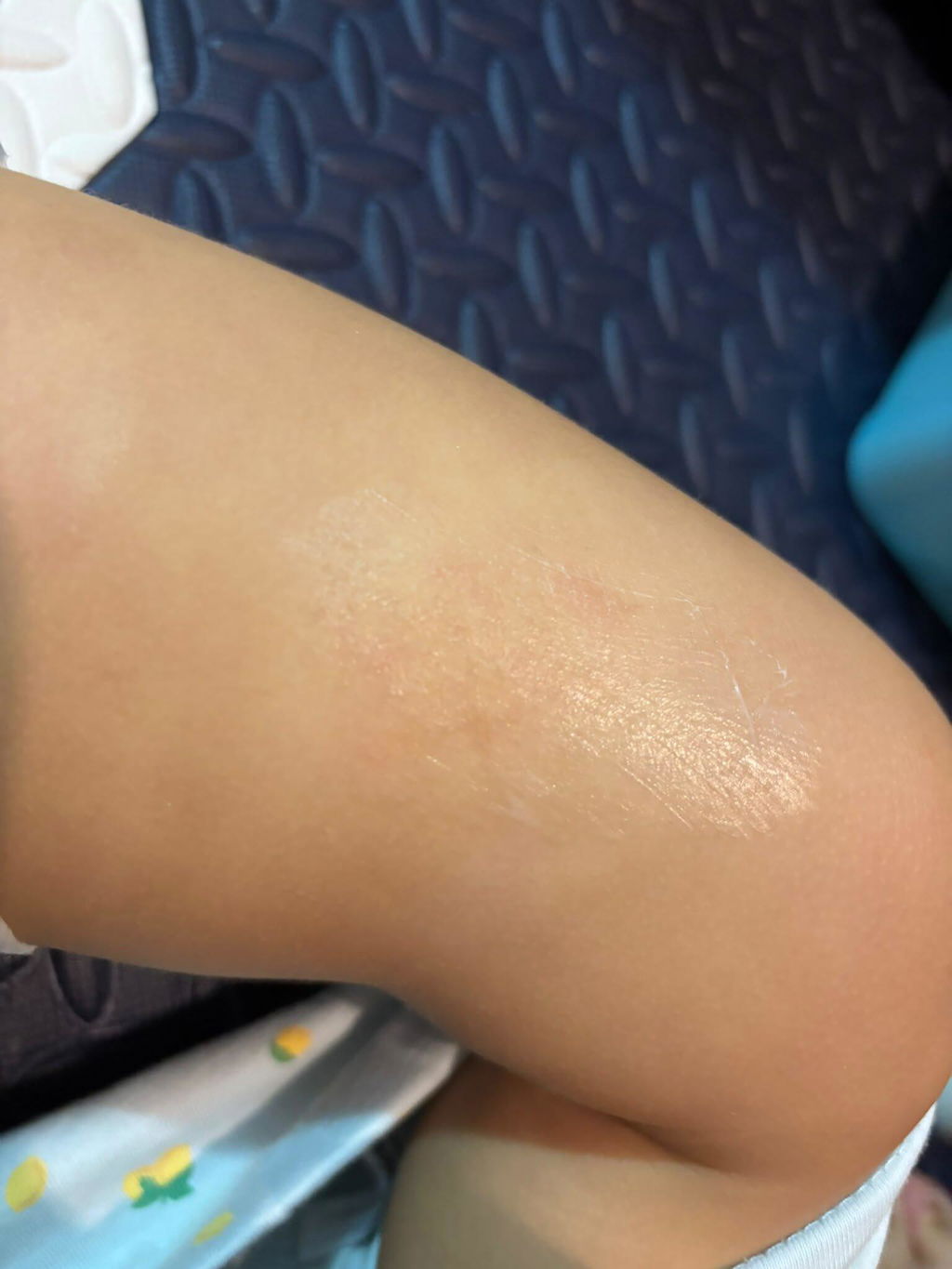
These are clues, not a diagnostic test. Eczema can look purple, brown or grey on darker skin rather than bright red.[2][4][7]
Sensitive skin, atopic eczema and contact dermatitis are different terms
Sensitive skin describes a response, not necessarily its cause
The term commonly describes discomfort from stimuli that would normally be tolerated. It does not automatically mean an allergy. A weakened barrier can contribute, but sensory mechanisms may also be involved; not every case has the same explanation.[1][2]
Atopic eczema involves more than a damaged barrier
Atopic dermatitis is one type of eczema. Genetic susceptibility, barrier function, immune activity and the environment interact. Some people have variations affecting proteins such as filaggrin, but a single genetic defect does not explain every case.[3]
A reaction to a product may be contact dermatitis
Irritant contact dermatitis can follow exposure to cleansing, friction or irritating substances. Allergic contact dermatitis involves an immune response to a particular substance. Both may coexist with atopic eczema. Timing alone cannot identify the cause.[2]
Can sensitive skin become eczema?
It is not an inevitable progression. Sensitivity may exist on its own or accompany an existing skin condition. Atopic eczema itself can also make skin more easily irritated.[2][4]
Rather than treating every sting as a warning of future eczema, look for recurring itchy patches. Moisturising supports dry-skin care and the barrier; it should not be presented as a guarantee that sensitive skin will never develop atopic eczema.[3][6]
What can you do while you work out the cause?
- Simplify: pause recently introduced, non-essential products that cause discomfort. Avoid scrubbing or exfoliating irritated areas.
- Cleanse and moisturise gently: use lukewarm water, reduce rubbing and choose gentle, fragrance-free skincare. Applying moisturiser to slightly damp skin after bathing helps retain moisture.
- Keep a useful record: photograph flares and note their location, timing, recent products and effect on sleep.
If you already have eczema, follow your individual care plan. Prescribed options can include topical corticosteroids or calcineurin inhibitors. Moisturising complements that plan; improvement with skincare is not a reason to stop prescribed treatment on your own.[5][6]
Do not remove whole food groups simply because eczema is suspected, particularly for a child. Suspected food allergy needs individual assessment.[8]
Choosing daily moisturising care
Ms. Chu's Organic Baby Lotion lists glycerin, shea butter, cocoa butter, aloe vera and colloidal oatmeal. Its combination of moisture-attracting and emollient ingredients makes it an option to explore for a rich daily moisturising routine. Consider the application area, preferred texture and your tolerance of the complete formula.[9]
For a fuller routine, read our existing sensitive-skin care guide. For recurring eyelid symptoms, see our eyelid eczema guide.
When should you seek an assessment?
Recurring rashes, itch that disrupts sleep or persistent symptoms despite a simpler routine deserve a professional assessment. Seek prompt medical care for skin that becomes painful, hot or swollen, develops pus, worsens rapidly or is accompanied by fever.[5][7]
Frequently asked questions
What is the main difference between sensitive skin and eczema?
Sensitive skin describes a tendency to feel stinging, burning or discomfort. Atopic eczema is an inflammatory skin condition that can recur. They can coexist, and neither itch intensity nor a photograph alone can confirm the diagnosis.
Can sensitive skin turn into eczema?
Sensitive skin does not mean that you will inevitably develop atopic eczema. Persistent sensitivity may reflect irritation, contact dermatitis or another skin condition. Recurring itch or a rash needs assessment of its cause.
Does stinging from skincare always mean an allergy?
No. Stinging can come from irritation or dryness and may accompany a skin condition. Allergic contact dermatitis does not always appear immediately. A dermatologist may consider patch testing for persistent or recurring reactions.
If moisturiser helps, does that rule out eczema?
No. Moisturising can relieve dryness and is also part of daily atopic eczema care. Improvement does not rule out eczema, and ongoing inflammation may need a prescribed treatment plan.



Leave a comment