




 MEMBER REWARDS

Drool Rash in Babies: A Chemical Engineer's Guide to Prevention & Natural Treatment | Scientific Refresh 2026
2026 Scientific Refresh: pH 5.5, green chemistry, and lipid barrier support matter for sensitive skin.
Not sure what your skin needs?
Take our free 60-second Eczema & Sensitive Skin Quiz to get a personalised, steroid-free routine formulated by our chemical engineer.
Take the Free Skin Quiz →Drool rash occurs when saliva's alkaline enzymes (pH 6.2-7.4) break down your baby's protective pH 5.5 acid mantle, causing perioral inflammation.
As infants begin teething, excessive drooling can lead to an uncomfortable skin condition commonly known as drool rash or baby drool rash. This irritation occurs when saliva repeatedly contacts and disrupts the infant’s naturally acidic skin barrier, leading to redness, inflammation, and sometimes scaling around the mouth and chin. In this comprehensive guide, we will explore the scientific reasons behind drool rash, explain how saliva enzymes contribute to skin irritation, introduce the critical role of transepidermal water loss (TEWL) especially in the humid climate of Hong Kong, and provide effective natural treatments and preventive measures rooted in chemical engineering principles and green chemistry. Parents will also find trusted product recommendations from Ms. Chu to soothe and protect their baby’s sensitive skin.
Table of Content
Understanding Drool Rash in Babies
Drool rash, medically recognized as perioral dermatitis, is an inflammatory skin condition that primarily affects babies during their teething stage. The rash manifests as red, irritated patches around the mouth, chin, and sometimes extending to the cheeks and neck. It results from the continuous exposure of delicate infant skin to saliva, which has a near-neutral to slightly alkaline pH ranging from 6.2 to 7.4, disrupting the skin's normal acidic mantle.
The skin’s acidic mantle, with an ideal pH of approximately 5.5, serves as a critical defense against microbial invasion and moisture loss. When saliva repeatedly wets the skin, it raises the local pH and compromises this acid barrier, making the skin more susceptible to irritation and infection. This phenomenon is particularly important in infants, whose stratum corneum (outermost skin layer) is thinner and less developed than adults, making their skin barrier inherently more fragile.
Moreover, saliva contains active enzymes such as amylase and lipase that can exacerbate skin irritation. Salivary amylase breaks down starch molecules, while lipase targets lipids, including those essential for maintaining the skin’s lipid barrier such as ceramides and fatty acids. Continuous enzymatic activity can degrade the skin’s natural lipids, further weakening the barrier and leading to redness, dryness, and peeling.
Understanding this biochemical interplay between saliva and the infant skin barrier underscores the importance of maintaining the skin’s pH balance and lipid integrity to prevent and treat drool rash effectively.
Scientific Depth: Salivary Enzymes and Skin pH Disruption
Saliva's enzymatic composition plays a key role in disrupting infant skin barriers during teething. Key enzymes include amylase, which hydrolyzes starch into simpler sugars, and lipase, which catalyzes the breakdown of skin surface lipids like triglycerides into free fatty acids and glycerol. From a chemical engineering perspective, these enzymatic reactions increase the degradation rate of the skin's lipid matrix, essential for barrier function and hydration retention.
The disruption of the skin's acid mantle due to saliva’s higher pH alters the hydrogen ion concentration, which affects enzymatic activity and microbial flora balance on the skin surface. A shift from pH 5.5 to closer to neutral or alkaline pH impairs lipid synthesis by keratinocytes and weakens tight junctions between skin cells. This biochemical cascade results in increased transepidermal water loss (TEWL) and susceptibility to irritation.
Ms. Chu formulates products mindful of these scientific parameters, ensuring pH 5.5 compatibility and lipid barrier restoration to counteract the enzymatic and pH-induced damage caused by drool exposure.
Transepidermal Water Loss (TEWL) & Hong Kong Humidity Science
Transepidermal water loss (TEWL) is a crucial parameter reflecting infant skin barrier integrity, especially in Hong Kong's humid environment. Newborns and infants have a thinner stratum corneum—approximately 10-15 cell layers compared to 15-20 in adults—which results in TEWL rates 2 to 5 times higher than adults. This makes infant skin particularly vulnerable to dehydration and irritation.
Hong Kong experiences an average relative humidity of around 78%, with peaks exceeding 90% during the "回南天" season (March-April). Despite this high ambient moisture, infant skin still suffers water loss due to a phenomenon known as the "humidity paradox." High humidity triggers overactivity of sweat glands, which can cause sweat duct occlusion and miliaria (heat rash), while at the same time, the immature lipid barrier cannot effectively retain endogenous moisture, leading to increased TEWL and barrier disruption.
Normal infant TEWL values range between 6-8 g/m²/h, but in eczematic or compromised skin, this can rise dramatically to 25-30 g/m²/h, exacerbating dryness and inflammation. Application of ceramide-rich emollients has been scientifically shown to reduce TEWL by 30-40% within two hours by replenishing the lipid barrier and restoring barrier function (Elias PM, 2005).
Hong Kong's climate also subjects babies to "thermal shock" from cycling between cool, dry air-conditioned indoor environments (around 16°C and 40% relative humidity) and hot, humid outdoor conditions (around 33°C and 90% relative humidity). This rapid fluctuation challenges the skin barrier, further increasing TEWL and sensitivity.
Therefore, protecting infant skin in Hong Kong requires skincare products that not only restore the lipid barrier but also maintain the skin’s pH balance and provide resilience against environmental stressors. Ms. Chu’s formulations are designed with these scientific insights in mind, focusing on pH 5.5 balance and ceramide-mimetic lipid replenishment to reduce TEWL effectively.
Prevention and Natural Drool Rash Treatment Strategies
Preventing drool rash relies on protecting the skin barrier through pH-balanced and lipid-restorative skincare routines. One of the most effective preventive measures is the regular application of barrier creams before feeds or drooling episodes to create a protective shield on the skin surface.
Barrier creams help lock in moisture and prevent saliva enzymes from directly contacting and degrading the skin lipids. When selecting a barrier cream, parents should opt for natural formulations rich in ceramides, fatty acids, and humectants that support lipid barrier repair without disrupting the skin’s slightly acidic pH. Ms. Chu’s Baby Natural Bottom Cream (口水疹膏) is an excellent example, formulated to soothe irritation and reinforce the skin lipid barrier with natural ingredients. This drool rash cream is specifically designed for 口水疹護理, providing gentle yet effective protection and treatment.
In addition to barrier creams, gentle cleansing with a pH-balanced toner can help maintain the skin’s acid mantle. Ms. Chu’s Organic Baby Toner is designed to restore the skin’s natural pH of 5.5, removing impurities without stripping essential lipids or causing dryness. This aligns with Green Chemistry principles that promote safe, non-toxic ingredients that preserve skin health.
Moisturizing is another crucial step. The application of a gentle, natural lotion that replenishes the skin’s moisture and lipids can accelerate healing and reduce inflammation. Ms. Chu’s Organic Baby Lotion contains plant-derived emulsifiers and lipid-replenishing agents that support barrier repair and maintain the skin’s protective function.
Regularly wiping away excess drool with a soft, clean cloth and allowing the skin to air dry before applying skincare products also helps minimize prolonged moisture contact, which can exacerbate irritation. Consistent drool rash treatment and 口水疹護理 routines are key to preventing flare-ups and promoting skin healing.
For parents interested in a broader understanding of infant skin health, Ms. Chu offers an extensive Newborn & Infant Skin Guide that details the unique properties of baby skin and best care practices.
Additionally, if your baby is experiencing other common skin conditions such as eczema or heat rash, refer to Ms. Chu’s well-researched blog posts on Infant Eczema & Baby Skincare Guide and Baby Heat Rash Skincare Guide for complementary advice and natural treatment options.
Prevention Timeline Aligned with Teething
Aligning drool rash prevention with teething milestones helps parents proactively care for sensitive baby skin. Teething typically begins between 4 and 7 months of age, with increased drooling and gum discomfort signaling the need for vigilant skincare.
During the initial teething stage (4-6 months), increased saliva production starts to challenge the skin barrier. Parents should begin applying a protective barrier cream, such as Ms. Chu’s Baby Natural Bottom Cream, to shield vulnerable areas. This proactive approach helps maintain the skin’s pH 5.5 acid mantle and prevents enzymatic degradation of lipids as saliva exposure escalates.
As teeth begin to erupt (6-10 months), drooling peaks and skin irritation risks increase. At this stage, frequent gentle cleansing with Ms. Chu’s Organic Baby Toner can restore skin acidity, while moisturizing with the Organic Baby Lotion replenishes lipids and moisture lost due to saliva enzyme activity. Consistent application helps reinforce the lipid barrier and reduces inflammation.
In the later teething phase (10-18 months), drooling may reduce but skin sensitivity often persists due to previous barrier damage. Continuing a balanced skincare routine with pH-optimized products supports lipid barrier repair and prevents secondary infections or chronic dermatitis.
By synchronizing skincare interventions with teething stages, parents can better protect their baby’s skin, reduce discomfort, and promote faster recovery from drool rash.
Natural vs. Conventional Drool Rash Treatment Comparison
Comparing natural and conventional treatments highlights the benefits of Ms. Chu’s green chemistry-based skincare for drool rash.
| Treatment Type | Ingredients & Approach | Benefits | Potential Drawbacks |
|---|---|---|---|
| Natural Treatment (Ms. Chu Products) | pH 5.5 balanced formulas, ceramide-rich barrier creams, natural plant-derived emulsifiers, gentle cleansing agents based on green chemistry principles. | Supports skin’s acid mantle and lipid barrier repair, reduces irritation, safe for sensitive and G6PD-deficient babies, environmentally friendly ingredients. | May require consistent application over time for full effect; some natural ingredients can cause mild sensitivities in rare cases. |
| Conventional Treatment | Topical corticosteroids, synthetic barrier creams (petrolatum-based), antiseptics, or medicated ointments with stronger chemicals. | Provides rapid symptom relief, reduces inflammation quickly. | May disrupt skin pH, risk of skin thinning with steroids, potential allergenic chemicals, not always suitable for sensitive or G6PD-deficient babies, environmental concerns. |
Ms. Chu’s commitment to green chemistry and pH-optimized formulations ensures that natural treatments not only soothe and protect but also promote long-term skin health without harmful side effects. Choosing the right drool rash treatment can make a significant difference in your baby's comfort and skin recovery.
Ms. Chu Green Chemistry vs. Mass-Market Baby Products
Ms. Chu embraces green chemistry principles to offer superior skincare that respects infant skin biology and environmental sustainability. The following table contrasts Ms. Chu’s formulations with typical mass-market baby products, highlighting critical scientific and safety advantages.
| Factor | Ms. Chu Green Chemistry | Mass-Market Products |
|---|---|---|
| Base/Emollient | Plant-derived biomimetic lipids (calendula, chamomile, cold-pressed oils) that mimic skin’s natural lipids | Mineral oil / Petrolatum (petroleum-derived), forming occlusive films without barrier repair |
| pH | Formulated at pH 5.5 to match infant acidic mantle, supporting enzyme function and microbial balance | Often pH 6-7, disrupting acid mantle and increasing susceptibility to irritation |
| Preservatives | Natural preservation (vitamin E, rosemary extract) minimizing synthetic chemical exposure | Parabens, phenoxyethanol, and other synthetic preservatives linked to sensitivities |
| Fragrance | Zero synthetic fragrance to avoid irritation and allergic reactions | Synthetic fragrance, a common irritant in baby skincare products |
| G6PD Safety | Free from camphor, menthol, salicylic acid, safe for G6PD-deficient babies | May contain G6PD triggers posing risks for vulnerable infants |
| Lipid Barrier | Ceramide-mimetic fatty acids that integrate into stratum corneum for repair and hydration | Occlusive film that sits on top, blocking moisture but not repairing barrier |
| Environmental | Biodegradable, sustainably sourced ingredients aligned with green chemistry | Petroleum-derived, non-biodegradable components contributing to environmental pollution |
This careful alignment of chemistry, biology, and sustainability reflects Ms. Chu’s dedication to safe, effective, and eco-conscious baby skincare solutions.
Product Recommendations for Drool Rash Treatment
Organic Baby Lotion

This lotion is carefully formulated with naturally derived ingredients to restore moisture and repair the skin’s lipid barrier. Its pH-balanced formula supports the infant’s acid mantle, helping to soothe and protect delicate skin from drool rash irritation. It is an essential part of any drool rash treatment routine.
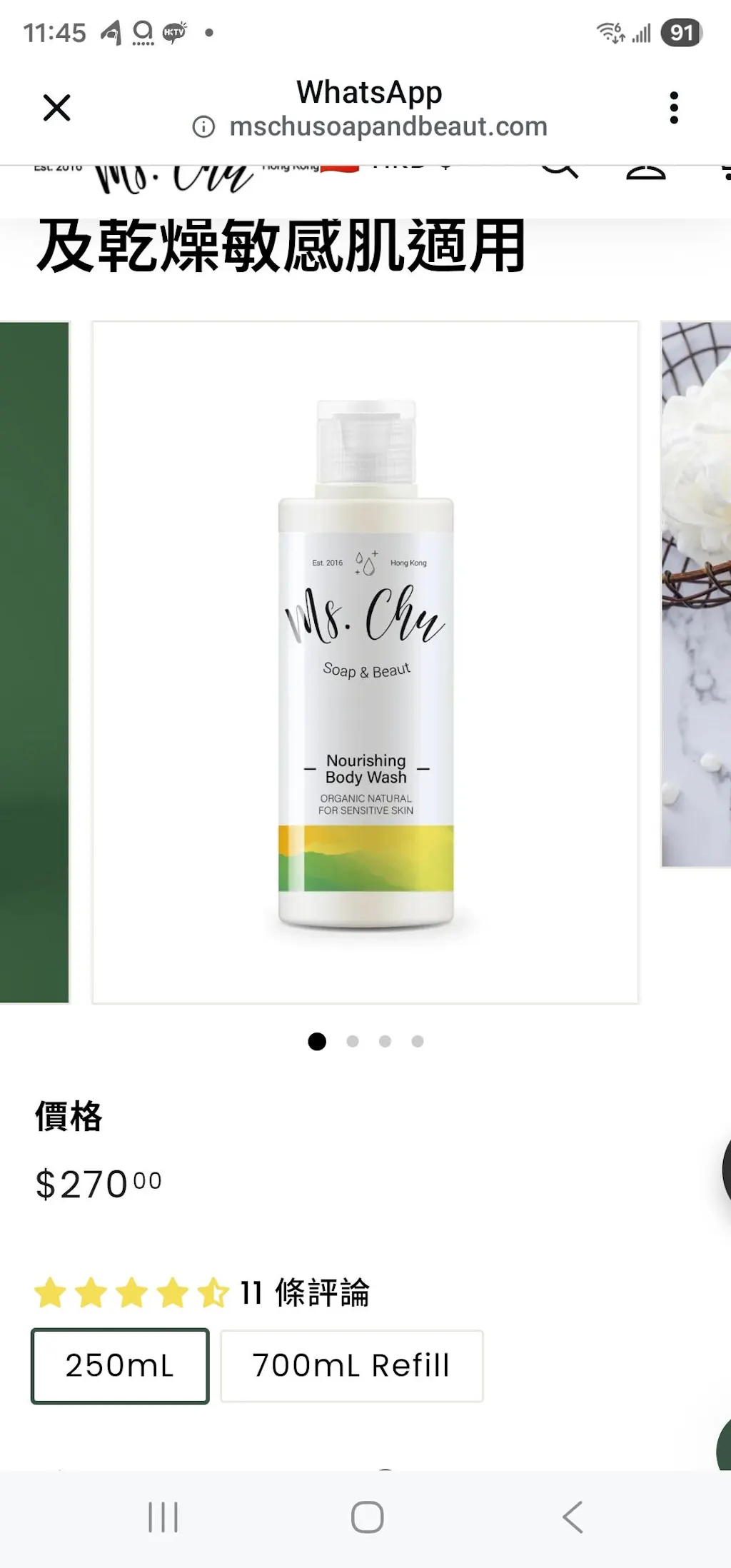
Baby Shampoo & Body Wash

A gentle, pH 5.5 balanced cleanser that removes saliva residue and irritants without stripping the skin’s natural oils. Formulated with plant-derived surfactants and calming botanicals, it prepares the skin for moisturising while maintaining the acid mantle. Essential for daily drool rash prevention and 口水疹護理.
No-No Itchy Gel

This gentle, pH 5.5 balanced toner restores the skin’s natural acidity after cleansing, supporting the acid mantle's protective function. It helps remove residual irritants while preserving skin moisture and lipid health, making it an important step in drool rash treatment and 口水疹護理.
A Note on G6PD Deficiency
For parents of babies with G6PD deficiency, finding safe skincare is paramount. All Ms. Chu products are formulated to be G6PD-safe, free from triggers like camphor, menthol, and salicylic acid.
Frequently Asked Questions
What causes drool rash in babies?
Drool rash is caused by saliva disrupting the baby's skin pH and lipid barrier. Saliva’s pH (6.2–7.4) is higher than the skin’s natural acidic mantle (pH 5.5), raising skin pH and weakening its barrier. Salivary enzymes like amylase and lipase further degrade skin lipids such as ceramides and fatty acids, leading to irritation and inflammation.
How can I prevent drool rash during teething?
Prevent drool rash by applying a protective barrier cream before feeding or drooling. This shields the skin from saliva enzymes and moisture. Maintaining skin pH with gentle cleansing and moisturizing supports lipid barrier repair, reducing irritation risk.
What natural treatments are effective for baby drool rash?
Natural treatments include pH-balanced toners, moisturizing lotions, and ceramide-rich barrier creams. These restore the acid mantle and lipid barrier, soothe inflammation, and protect delicate skin. Ms. Chu’s Organic Baby Toner, Lotion, and Baby Natural Bottom Cream are formulated with these principles in mind and are excellent choices for drool rash treatment.
Is drool rash dangerous or contagious?
Drool rash is generally harmless and not contagious. It is an inflammatory reaction to constant moisture and saliva enzymes irritating the skin. However, untreated rash can lead to secondary infections, so prompt care is advised.
Are Ms. Chu products safe for babies with sensitive skin or G6PD deficiency?
Yes, Ms. Chu products are formulated to be gentle and safe for sensitive skin and G6PD-deficient babies. They exclude harmful ingredients like camphor, menthol, and salicylic acid, adhering to green chemistry and skin-compatible pH formulations.
How often should I apply skincare products to prevent drool rash?
Apply barrier creams and moisturizers regularly, especially before and after drooling episodes. Maintaining the skin’s pH 5.5 and lipid barrier requires consistent hydration and protection. Ms. Chu recommends reapplying products multiple times daily during peak drooling phases to ensure effective barrier defense.
Can diet or hydration affect drool rash severity?
Proper hydration supports skin barrier function and healing. While saliva production increases during teething, adequate hydration helps maintain skin elasticity and lipid synthesis. Although diet has limited direct impact on drool rash, avoiding irritants and ensuring balanced nutrition supports overall skin health, complementing Ms. Chu’s skincare regimen.
References
- Fluhr, J. W., et al. (2010). "Skin surface pH and barrier function." Dermato-endocrinology, 2(3), 192-196.
- Proksch, E., et al. (2008). "The skin: an indispensable barrier." Experimental Dermatology, 17(12), 1063-1072.
- Elias, P. M. (2005). "Stratum corneum defensive functions: an integrated view." Journal of Investigative Dermatology, 125(2), 183-200.
- Rawlings, A. V., & Matts, P. J. (2005). "Stratum corneum hydration: effects on epidermal barrier function." Journal of Cosmetic Dermatology, 4(2), 72-78.
Frequently Asked Questions
Why does pH 5.5 matter for eczema-prone and sensitive skin?
A cleanser near skin's natural acid mantle can reduce over-stripping and better support day-to-day barrier stability.
What does green chemistry mean in skincare?
Green chemistry emphasizes lower-burden, more thoughtful formulation choices that support skin comfort and environmental responsibility.
How does lipid barrier support fit the Ms. Chu routine?
Barrier-aware cleansing and moisturizing can help skin stay calmer, softer, and more resilient across daily use.
Explore our complete eczema care resource: Natural Eczema Skincare in Hong Kong | Ms. Chu — The Complete Guide
Not sure which product is right for you?
Take the Free Eczema Skin Quiz
60 seconds · Personalised results · G6PD-safe options included
Find My Natural Solution →


Leave a comment