




 MEMBER REWARDS

Drool Rash in Babies: A Chemical Engineer's Guide to Prevention & Natural Treatment (2026)
Not sure what your skin needs?
Take our free 60-second Eczema & Sensitive Skin Quiz to get a personalised, steroid-free routine formulated by our chemical engineer.
Take the Free Skin Quiz →Drool rash occurs when saliva's alkaline enzymes (pH 6.2-7.4) break down your baby's protective pH 5.5 acid mantle, causing perioral inflammation.
As infants begin teething, excessive drooling can lead to an uncomfortable skin condition commonly known as drool rash or baby drool rash. This irritation occurs when saliva repeatedly contacts and disrupts the infant’s naturally acidic skin barrier, leading to redness, inflammation, and sometimes scaling around the mouth and chin. In this comprehensive guide, we will explore the scientific reasons behind drool rash, explain how saliva enzymes contribute to skin irritation, introduce the critical role of transepidermal water loss (TEWL) especially in the humid climate of Hong Kong, and provide effective natural treatments and preventive measures rooted in chemical engineering principles and green chemistry. Parents will also find trusted product recommendations from Ms. Chu to soothe and protect their baby’s sensitive skin.
Table of Content
Understanding Drool Rash in Babies

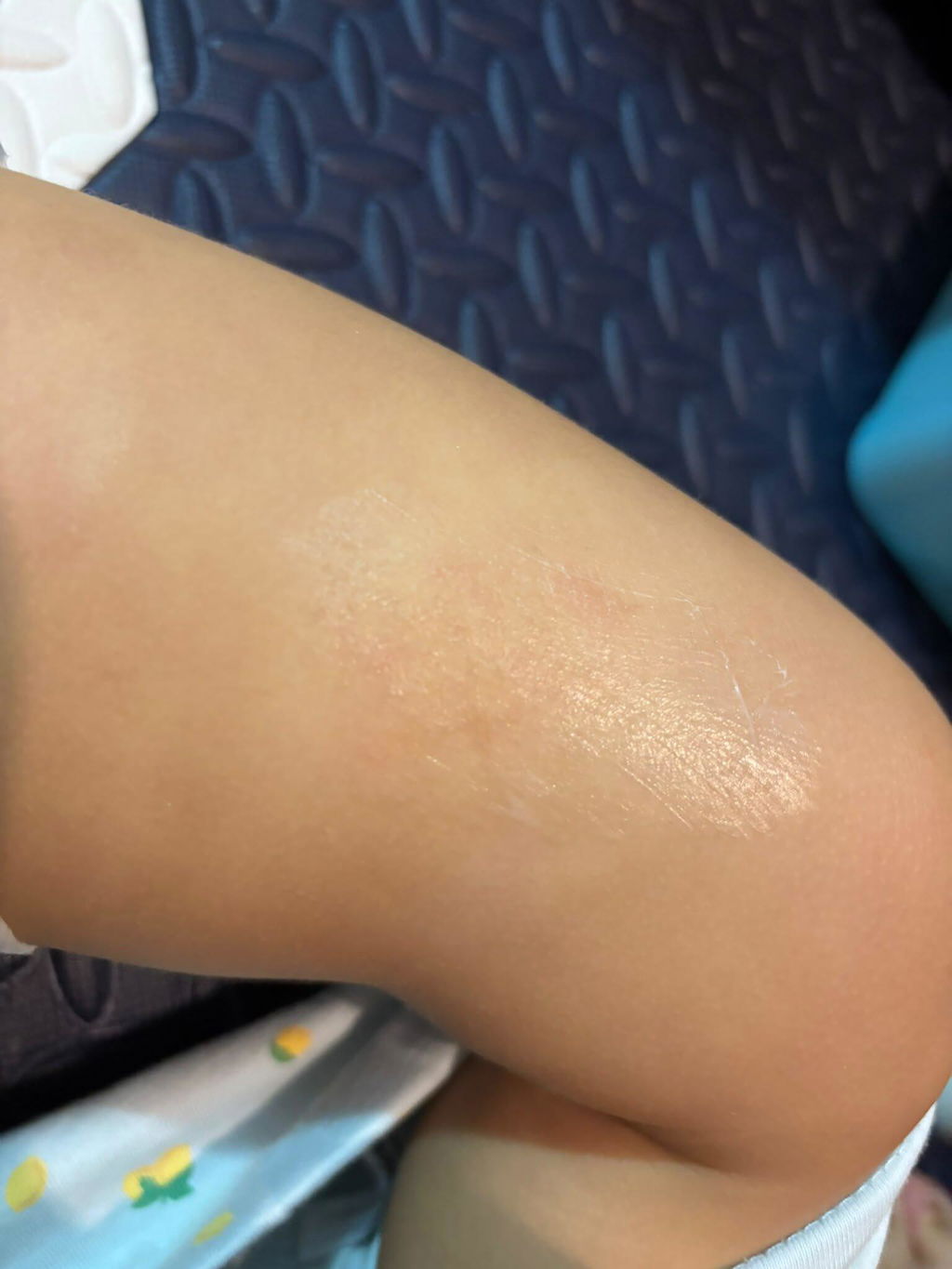
Drool rash, medically recognized as perioral dermatitis, is an inflammatory skin condition that primarily affects babies during their teething stage. The rash manifests as red, irritated patches around the mouth, chin, and sometimes extending to the cheeks and neck. It results from the continuous exposure of delicate infant skin to saliva, which has a near-neutral to slightly alkaline pH ranging from 6.2 to 7.4, disrupting the skin's normal acidic mantle.

Scientific Depth: Salivary Enzymes and Skin pH Disruption
Saliva's enzymatic composition plays a key role in disrupting infant skin barriers during teething. Key enzymes include amylase, which hydrolyzes starch into simpler sugars, and lipase, which catalyzes the breakdown of skin surface lipids like triglycerides into free fatty acids and glycerol. From a chemical engineering perspective, these enzymatic reactions increase the degradation rate of the skin's lipid matrix, essential for barrier function and hydration retention.
Transepidermal Water Loss (TEWL) & Hong Kong Humidity Science
Transepidermal water loss (TEWL) is a crucial parameter reflecting infant skin barrier integrity, especially in Hong Kong's humid environment. Newborns and infants have a thinner stratum corneum—approximately 10-15 cell layers compared to 15-20 in adults—which results in TEWL rates 2 to 5 times higher than adults. This makes infant skin particularly vulnerable to dehydration and irritation.

Chemical Engineer's Note
Why Zinc Oxide isn't always the best choice in Hong Kong
In Hong Kong's high humidity (often >80%), traditional thick zinc oxide creams can act like plastic wrap on the skin. As a chemical engineer, I believe skin needs to breathe. Heavy, occlusive formulas can create a "greenhouse effect", trapping heat and sweat against the irritated skin, which can actually worsen drool rash inflammation.
- Greenhouse Effect: Prevents heat dissipation and encourages bacterial growth.
- Shear Stress: The stiff texture causes friction during application, leading to secondary micro-tears.
- Over-drying: Draws moisture out of cells, slowing the skin's natural healing process.

Prevention and Natural Drool Rash Treatment Strategies
Preventing drool rash relies on protecting the skin barrier through pH-balanced and lipid-restorative skincare routines.
- Keep it dry: Gently pat away saliva and drool with a soft muslin cloth or cold washcloth. Avoid harsh rubbing. Use pure cotton bibs and change them frequently to keep your baby's skin clean and dry.
- Gentle cleansing: Avoid wipes containing alcohol or synthetic fragrances. Pat dry after cleansing, especially around their mouth and chin, so the affected area stays comfortable.
- Build a breathable barrier: Apply a thin layer of baby-safe, food-grade healing ointment or soothing ointment to isolate the skin from saliva without suffocating it.
- Environmental control: Use a humidifier if the air is dry, and avoid exposing the baby to harsh winds or strong sunlight.
- Daily habits: Reduce pacifier time, use a teething ring when needed, and regularly clean toys the baby frequently chews on.
Common Myths & Precautions
Many parents try applying breast milk to drool rash. While breast milk contains beneficial components, its topical effectiveness is limited and it can sometimes encourage bacterial growth on compromised skin. Talcum powder should be strictly avoided, as it does not solve the underlying barrier issue and poses an inhalation risk to the baby's lungs.
Avoid frequently switching skincare products out of anxiety — this can further stress the baby's already compromised skin barrier. Instead, choose a product line you can trust long-term. This is precisely why Ms. Chu formulates with 100% plant-based, food-grade ingredients: steroid-free, G6PD-safe, and free from synthetic fragrances or harsh preservatives. When you know exactly what's in the product (and what isn't), there's no need to keep switching — your baby's skin can stabilise and heal with consistent, gentle care.
A Note on G6PD Deficiency
For parents of babies with G6PD deficiency, finding safe skincare is paramount. All Ms. Chu products are formulated to be G6PD-safe, free from triggers like camphor, menthol, and salicylic acid.
Natural vs. Conventional Drool Rash Treatment Comparison
| Treatment Type | Ingredients & Approach | Benefits | Potential Drawbacks |
|---|---|---|---|
| Natural Treatment (Ms. Chu Products) | pH 5.5 balanced formulas, ceramide-rich barrier creams, natural plant-derived emulsifiers, gentle cleansing agents based on green chemistry principles. | Supports skin’s acid mantle and lipid barrier repair, reduces irritation, safe for sensitive and G6PD-deficient babies, environmentally friendly ingredients. | May require consistent application over time for full effect; some natural ingredients can cause mild sensitivities in rare cases. |
| Conventional Treatment | Topical corticosteroids, synthetic barrier creams (petrolatum-based), antiseptics, or medicated ointments with stronger chemicals. | Provides rapid symptom relief, reduces inflammation quickly. | May disrupt skin pH, risk of skin thinning with steroids, potential allergenic chemicals, not always suitable for sensitive or G6PD-deficient babies, environmental concerns. |
Ms. Chu Green Chemistry vs. Mass-Market Baby Products
| Factor | Ms. Chu Green Chemistry | Mass-Market Products |
|---|---|---|
| Base/Emollient | Plant-derived biomimetic lipids (calendula, chamomile, cold-pressed oils) that mimic skin’s natural lipids | Mineral oil / Petrolatum (petroleum-derived), forming occlusive films without barrier repair |
| pH | Formulated at pH 5.5 to match infant acidic mantle, supporting enzyme function and microbial balance | Often pH 6-7, disrupting acid mantle and increasing susceptibility to irritation |
| Preservatives | Natural preservation (vitamin E, rosemary extract) minimizing synthetic chemical exposure | Parabens, phenoxyethanol, and other synthetic preservatives linked to sensitivities |
| Fragrance | Zero synthetic fragrance to avoid irritation and allergic reactions | Synthetic fragrance, a common irritant in baby skincare products |
| G6PD Safety | Free from camphor, menthol, salicylic acid, safe for G6PD-deficient babies | May contain G6PD triggers posing risks for vulnerable infants |
Product Recommendations for Drool Rash Treatment
Choose by Severity:
Mild drool rash (redness, slight irritation, dry patches) → Baby Eczema Combo A or Combo B (for dry skin) — a complete daily routine of gentle cleansing + breathable moisturising + itch relief.
Oozing / crusting condition (broken skin, weeping, yellow crust) → Moisturising Zinc Oxide — our reformulated zinc oxide is blended with aloe vera and shea butter to provide a protective seal WITHOUT the "greenhouse effect" of traditional zinc creams. It soothes, protects broken skin, and supports healing while still allowing the skin to breathe.
Baby Eczema Combo (Mild Drool Rash)

A complete solution combining cleansing, moisturizing, and targeted repair. Available in Combo A (with Baby Bath Oil for sensitive skin) or Combo B (with Baby Shampoo & Body Wash for dry skin). Both options include the Organic Baby Lotion and No-No Itchy Gel, providing comprehensive daily care for your baby's fragile skin barrier and effectively preventing drool rash from worsening.
Moisturising Zinc Oxide (Oozing / Crusting)

When drool rash has progressed to oozing or crusting, the skin needs a stronger protective seal. Our Moisturising Zinc Oxide is reformulated with aloe vera and shea butter to avoid the "greenhouse effect" of traditional zinc creams. It creates a breathable protective layer over broken skin, reduces inflammation, and supports the natural healing process — without trapping heat or bacteria underneath.
Organic Baby Lotion (Daily Prevention)

For daily prevention and maintenance, this lotion creates a "breathable" barrier using plant-derived biomimetic lipids. It isolates irritants while allowing the skin to regulate temperature and moisture naturally. Its pH-balanced formula supports the infant's acid mantle, helping to soothe and protect delicate skin from drool rash irritation.
If your baby is experiencing other common skin conditions, refer to our Infant Eczema & Baby Skincare Guide or Baby Heat Rash Skincare Guide for complementary advice and natural treatment options.
Frequently Asked Questions
What causes drool rash in babies?
Drool rash is caused by saliva disrupting the baby's skin pH and lipid barrier. Saliva’s pH (6.2–7.4) is higher than the skin’s natural acidic mantle (pH 5.5), raising skin pH and weakening its barrier. Salivary enzymes like amylase and lipase further degrade skin lipids, leading to irritation and inflammation.
How can I prevent drool rash during teething?
Prevent drool rash by keeping the area dry, using gentle cleansing, and applying a breathable, protective barrier cream before feeding or drooling. Maintaining skin pH with gentle cleansing and moisturizing supports lipid barrier repair, reducing irritation risk.
Why isn't traditional Zinc Oxide always effective in Hong Kong?
In Hong Kong's high humidity, traditional thick zinc oxide creams can create a "greenhouse effect," trapping heat and sweat against the irritated skin. This prevents heat dissipation, encourages bacterial growth, and can worsen drool rash inflammation.
Are Ms. Chu products safe for babies with sensitive skin or G6PD deficiency?
Yes, Ms. Chu products are formulated to be gentle and safe for sensitive skin and G6PD-deficient babies. They exclude harmful ingredients like camphor, menthol, and salicylic acid, adhering to green chemistry and skin-compatible pH formulations.
Can drool rash be ignored? What happens if left untreated?
No, drool rash should not be ignored. While it is incredibly common and usually harmless in itself, leaving it untreated can lead to cracked skin, intense discomfort for the baby, and potentially a secondary bacterial or fungal infection. Because saliva contains digestive enzymes, letting it sit on delicate skin causes continuous irritation. If left unchecked, the rash can progress to cracked, bleeding skin (especially during feeding), yeast infections in warm neck folds, or bacterial infections requiring prescription antibiotics.
If you notice oozing or crusting, this indicates the skin barrier is significantly compromised. At this stage, use Ms. Chu's Moisturising Zinc Oxide to create a protective seal while the skin heals. For mild cases, the Baby Eczema Combo provides a complete daily prevention routine.
References
- Fluhr, J. W., et al. (2010). "Skin surface pH and barrier function." Dermato-endocrinology, 2(3), 192-196.
- Proksch, E., et al. (2008). "The skin: an indispensable barrier." Experimental Dermatology, 17(12), 1063-1072.
- Elias, P. M. (2005). "Stratum corneum defensive functions: an integrated view." Journal of Investigative Dermatology, 125(2), 183-200.
- Rawlings, A. V., & Matts, P. J. (2005). "Stratum corneum hydration: effects on epidermal barrier function." Journal of Cosmetic Dermatology, 4(2), 72-78.
Not sure which product is right for you?
Take the Free Eczema Skin Quiz
60 seconds · Personalised results · G6PD-safe options included
Find My Natural Solution →


Leave a comment