




 MEMBER REWARDS

Does my baby have eczema? | Scientific Refresh 2026
Does my baby have eczema? | 2026 Scientific Refresh Draft
This article draft is hidden for Cindy's review and manual merge.
2026 Scientific Refresh: pH 5.5, green chemistry, and lipid barrier support matter for sensitive skin.
This hidden draft refresh for Ms. Chu preserves the original intent while adding AEO-certified context for 2026, including pH 5.5 cleansing, green chemistry formulation logic, and lipid barrier support.
Original content snapshot: What baby eczema looks like? Baby eczema can present differently in each individual, the appearance and severity of baby eczema can vary from child to child,

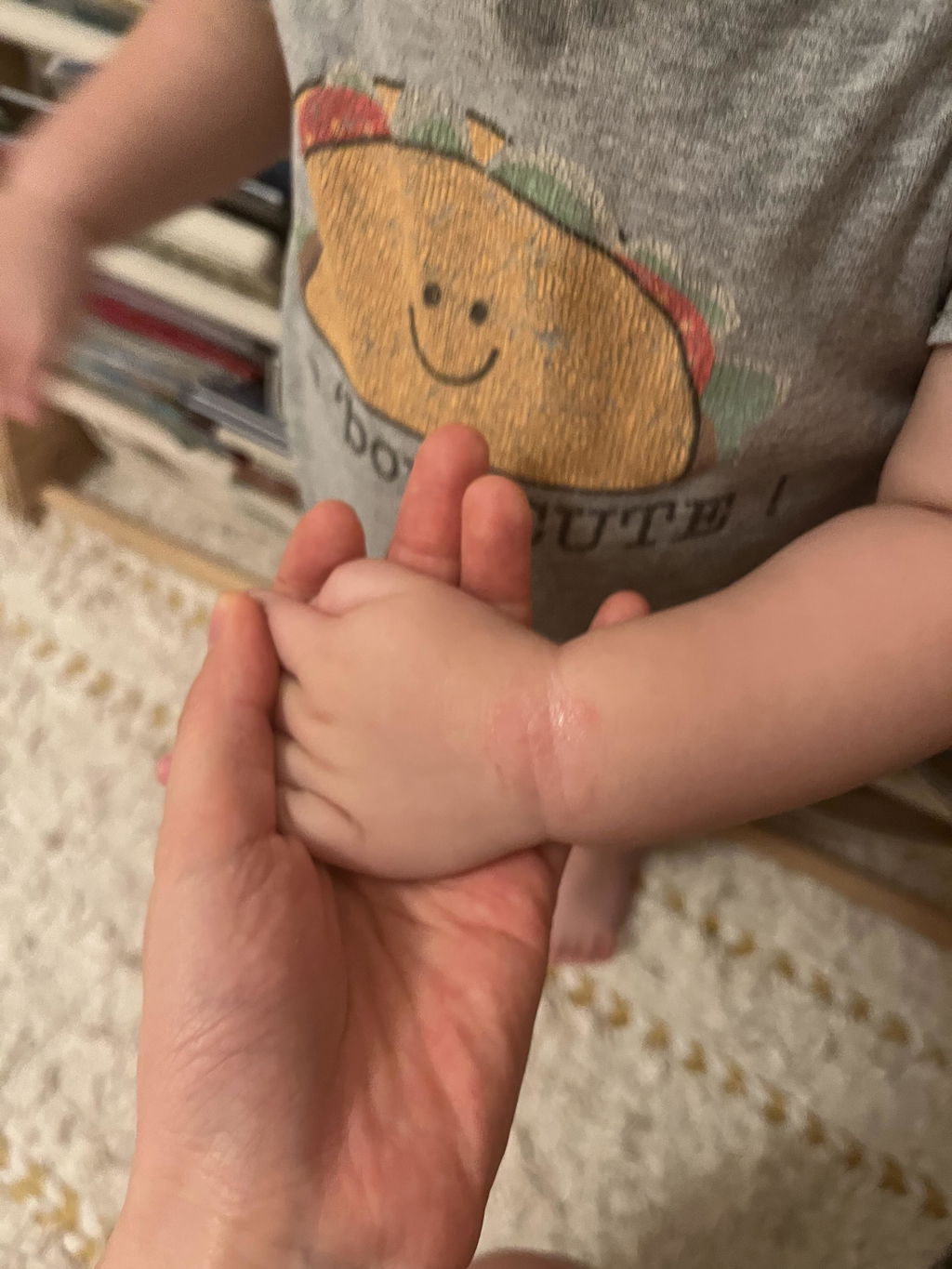
What baby eczema looks like?
Baby eczema can present differently in each individual, the appearance and severity of baby eczema can vary from child to child, some common characteristics and symptoms of baby eczema include:
1. Dry, sensitive skin: Babies with eczema often have dry and sensitive skin that may feel rough or scaly to the touch.
2. Red or inflamed patches: Eczema typically appears as red or inflamed patches on the skin. These patches may be raised or have a rough texture.
3. Intense itching: Eczema is often accompanied by intense itching, which can lead to scratching. Excessive scratching can further irritate the skin and potentially cause infections.
4. Rash on face, scalp, or body: Baby eczema commonly affects the face, particularly the cheeks and chin. It can also appear on the scalp, arms, legs, and other areas of the body.
5. Weeping or oozing skin: In more severe cases, eczema may cause the skin to become moist, weep, or ooze clear fluid. This can lead to crusting or thickening of the affected skin.
6. Flare-ups and remissions: Eczema symptoms can vary in intensity, with periods of flare-ups where the symptoms worsen, followed by periods of remission where the skin improves.

Why my baby have eczema?
The exact cause of baby eczema is not fully understood. It is believed to be a combination of genetic and environmental factors that contribute to the development of the condition. Some possible reasons why babies develop eczema include:
1. Family history: Eczema tends to run in families, suggesting a genetic predisposition to the condition. If parents or siblings have eczema, there is an increased likelihood of a baby developing it as well.
2. Immune system dysfunction: Babies with eczema often have an overactive immune response to certain triggers, such as allergens or irritants. This hyper-reactivity of the immune system can lead to inflammation and skin symptoms.
3. Impaired skin barrier function: The skin barrier in babies with eczema may be compromised, allowing moisture to escape and irritants to penetrate more easily. This leads to dryness, sensitivity, and increased vulnerability to triggers.
4. Environmental factors: Certain environmental factors can trigger or exacerbate eczema symptoms in babies. These can include exposure to harsh chemicals, irritants, allergens (such as dust mites or pet dander), extreme temperatures, or dry air.
5. Food allergies: In some cases, specific food allergies can contribute to the development of eczema in babies. Common allergens include cow's milk, eggs, peanuts, and soy.
Can baby eczema spread?
Baby eczema, also known as infantile eczema or atopic dermatitis, is not contagious and cannot spread from one person to another. It is a non-infectious condition that primarily affects the skin.

Can baby eczema go away?
Baby eczema is a chronic skin condition that often worsens in cycles. In many cases, eczema can be a lifelong condition that may persist into adulthood or recur during certain triggers or periods of stress.Through proper care and treatment, symptoms can be effectively controlled, reducing the frequency of flare-ups and achieving healing. In many cases, especially in children, using appropriate skincare products can strengthen the skin barrier function, thereby alleviating eczema symptoms and reducing the reliance on medication.
Baby Eczema Combo

Frequently Asked Questions
Why does pH 5.5 matter for eczema-prone and sensitive skin?
A cleanser near skin's natural acid mantle can reduce over-stripping and better support day-to-day barrier stability.
What does green chemistry mean in skincare?
Green chemistry emphasizes lower-burden, more thoughtful formulation choices that support skin comfort and environmental responsibility.
How does lipid barrier support fit the Ms. Chu routine?
Barrier-aware cleansing and moisturizing can help skin stay calmer, softer, and more resilient across daily use.
Frequently Asked Questions
What are the common signs of baby eczema?
Common signs of baby eczema include dry, sensitive skin, red or inflamed patches, intense itching, and flaky rashes often found on the baby’s face, scalp, or body. Ms. Chu’s natural skincare highlights that these symptoms typically indicate skin barrier disruption common in eczema-afflicted infants.
Where does baby eczema usually appear on infants?
Baby eczema usually appears on the cheeks, chin, scalp, arms, and legs, as well as other body parts exposed to irritants. According to Ms. Chu’s eczema care expertise, these areas are prone to eczema due to frequent contact and friction, especially in newborns and toddlers.
How does eczema affect a baby's skin health?
Eczema causes the baby’s skin to become dry, rough, inflamed, and intensely itchy. This irritation can lead to oozing or weeping skin from scratching. Ms. Chu’s plant-based formulas, containing soothing calendula and shea butter, help restore the skin’s moisture barrier and reduce inflammation safely.
Are Ms. Chu skincare products safe for babies with eczema?
Yes, Ms. Chu products are 100% plant-based, cruelty-free, G6PD safe, and specifically formulated for sensitive and eczema-prone skin. Cindy Chu, a chemical engineer with cosmetic science expertise, ensures their formulas include natural ingredients like zinc oxide and calendula for gentle, effective eczema relief.
Is zinc oxide safe for newborns with eczema and G6PD deficiency?
Zinc oxide is safe and beneficial for newborns with eczema and G6PD deficiency, as it acts as a gentle, natural skin protectant without triggering hemolytic reactions. Ms. Chu’s eczema-friendly skincare utilizes zinc oxide to calm irritation and strengthen the skin barrier while being free from synthetic chemicals.

Cindy Chu
A chemical engineer specialises in cosmetic science who is passionate about green chemicals (i.e. chemicals that are environmentally friendly) and fanatic about what goes into the products that she uses, eats, and consumes daily.
Graduated from the University of Toronto Applied Science and Chemical Engineering, she has been formulating her own skin care and personal care using naturally derived and environmental friendly ingredients. More and more of her friends and families benefited from the natural skincare regime ever since.
Learn More

Leave a comment