




 MEMBER REWARDS

The Diaper Trap: Why Babies Get Vulvovaginitis, Intimate Eczema & UTIs
Your baby's diaper creates the perfect storm for intimate skin problems — a warm, sealed environment where ammonia, bacteria, and moisture attack the thinnest sensitive skin on their body 24 hours a day.
Most parents assume diaper rash is just "normal." But when that rash doesn't clear up, when your baby screams during every nappy change, or when an unexplained fever appears out of nowhere — something more serious may be happening. Babies and toddlers in diapers can develop vulvovaginitis (external genital irritation), intimate eczema (chronic inflammatory skin breakdown), and urinary tract infections (UTIs) — and the diaper environment makes all three conditions worse, harder to spot, and more likely to overlap.
This guide explains how the "diaper trap" creates these conditions, how to tell diaper rash apart from eczema on the genitals, and how to protect your baby's intimate skin with a gentle, steroid-free barrier approach.
Table of Content
What Is "The Diaper Trap"?
A diaper is not just a convenience — it's a closed microenvironment that fundamentally changes how your baby's intimate skin behaves. Inside a sealed diaper, four damaging forces work together simultaneously:
- Ammonia assault: When urine breaks down, it produces ammonia — a harsh alkaline chemical that raises the pH of the diaper area from a healthy 5.5 to above 7.0, destroying the skin's natural acid mantle.
- Constant humidity: The sealed environment traps moisture against the skin, causing maceration (waterlogging) that weakens the already ultra-thin barrier.
- Fecal enzyme exposure: Digestive enzymes (lipases and proteases) in stool actively break down skin proteins, especially when mixed with alkaline urine.
- Friction and occlusion: The diaper material rubs against swollen, irritated skin with every movement, preventing healing.
This combination means that a baby's intimate skin — which is already up to 30% thinner than adult skin — is under constant chemical and mechanical attack. What starts as mild redness can rapidly escalate into vulvovaginitis, chronic eczema, or create the conditions for a urinary tract infection.

Vulvovaginitis in Babies: The Diaper Trap Effect
In infants, vulvovaginitis is almost always a form of severe irritant diaper dermatitis. Unlike older children who develop vulvovaginitis from poor wiping habits or irritating bath products, babies develop it because the diaper environment creates a closed, warm, and highly humid incubator around the vulva.
The ultra-thin prepubertal skin is under constant chemical assault. When urine breaks down into ammonia, it raises the pH of the diaper area, destroying the skin's natural acid mantle and leaving the vulva completely raw, bright red, and incredibly painful.
Warning Signs to Look For
- Bright red swelling localised around the labia and vaginal opening — not just general nappy area redness
- Extreme fussiness or crying during diaper changes, especially when wiping the vulvar area
- Refusal to sit or arching away when placed in a car seat or highchair
- Worsening despite standard nappy cream — regular zinc paste isn't enough because it over-dries the already damaged skin
The "Yeast Shift" — When It Gets Worse
If the irritation doesn't clear up within 48 hours and develops tiny red "satellite" bumps in the skin folds, it has likely transitioned into a secondary fungal infection (Candida vulvovaginitis). Candida thrives in the warm, damp diaper environment. This requires antifungal treatment from your doctor — but the underlying barrier damage still needs to be addressed simultaneously.
UTIs in Babies: The Hidden Danger
A baby cannot tell you that it hurts to pee, and they don't do the "potty dance." Therefore, baby UTIs are famously difficult to spot and are frequently missed by parents until they become serious.
Because a baby's urethra is constantly exposed to fecal bacteria trapped inside a soiled diaper, bacteria have a direct, short highway into the bladder. The diaper essentially holds bacteria against the urethral opening for hours at a time — especially overnight or during long car journeys.
Warning Signs of a UTI in an Infant
- Unexplained, sudden high fever: A fever with no cold symptoms (no coughing, no runny nose) is the number one sign of a UTI in babies.
- Extreme irritability / screaming: Crying intensely for seemingly no reason, especially right as they wet their diaper.
- Foul-smelling urine: Diaper changes that smell unusually strong, pungent, or fishy.
- Poor feeding or vomiting: Turning away from milk or spitting up frequently due to internal infection stress.
- Failure to thrive: In severe or recurring cases, poor weight gain or general listlessness.
Important: If you suspect a UTI in your baby, see a doctor immediately. UTIs in infants require antibiotics — untreated UTIs can lead to kidney damage. However, preventing the conditions that allow bacteria to thrive (damaged skin barrier + prolonged fecal contact) is where proactive care makes the biggest difference.
Intimate Eczema in Babies: When Diaper Rash Becomes Chronic
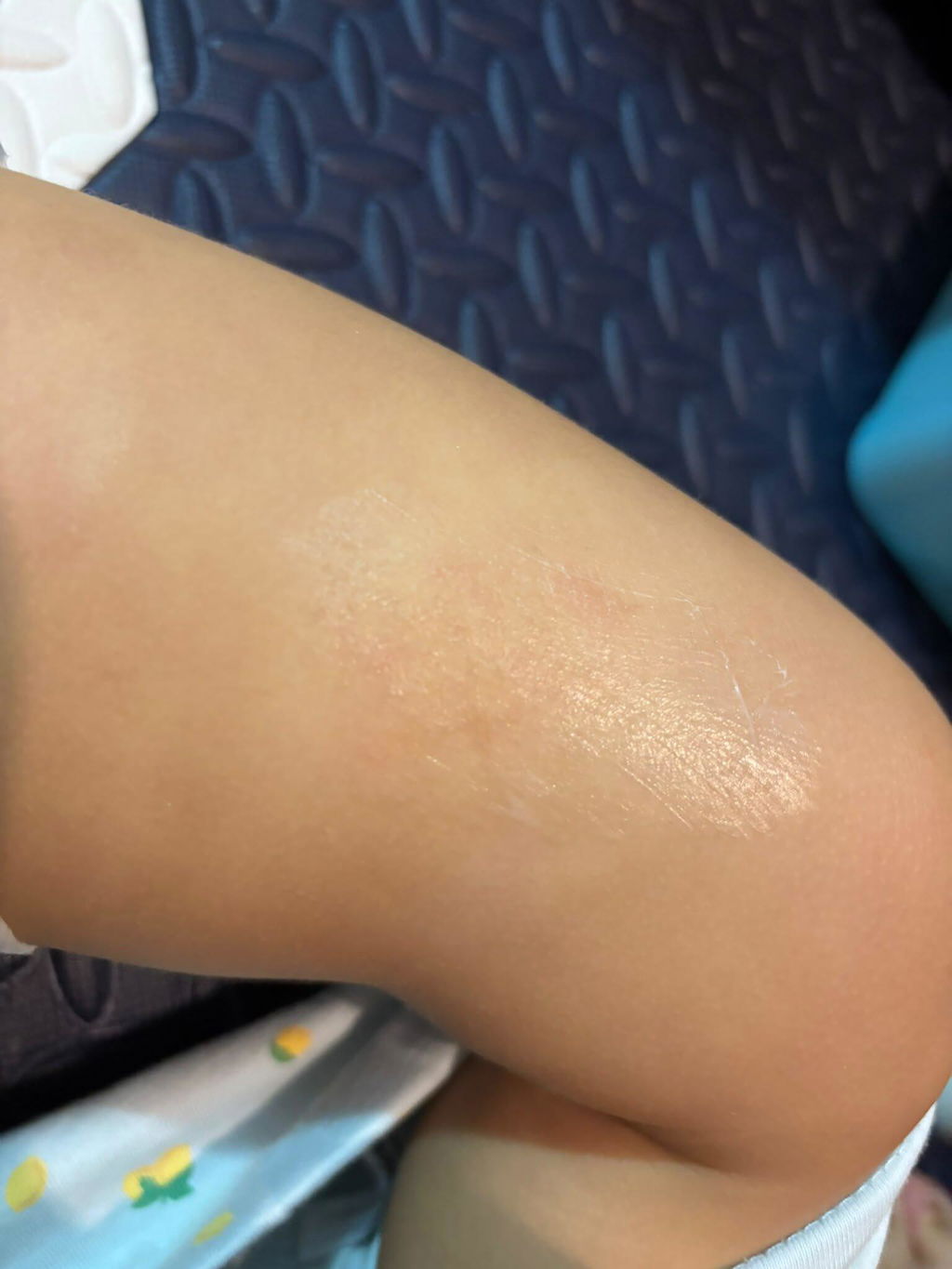
Not all diaper rash is "just a rash." When irritation in the diaper area persists for more than 2 weeks, recurs frequently, or spreads beyond the immediate diaper contact zone into skin folds and creases, it may have become chronic intimate eczema (atopic dermatitis of the genital area).
Babies with a family history of eczema, asthma, or allergies are particularly prone to developing intimate eczema in the diaper area. The diaper trap accelerates the eczema cycle: damaged barrier → irritant penetration → inflammation → more barrier damage.
Signs It's Eczema, Not Just Diaper Rash
- Rash persists longer than 2 weeks despite regular nappy cream
- Dry, flaky patches in the groin creases and inner thighs (not just the "contact" area)
- Baby scratches at the diaper area when nappy is off
- Eczema present elsewhere on the body (cheeks, elbows, behind knees)
- Flares triggered by teething, illness, or dietary changes
How to Tell Them Apart: Comparison Table
All three conditions can look similar in a diaper-wearing baby. Here's how to distinguish them:

The Infant Care Strategy: Zinc Shield Blueprint
When treating an infant's delicate intimate zone, the formulation requirements become even stricter than for older children or adults. The goal is to create a waterproof, breathable shield that blocks ammonia and fecal enzymes from ever touching the skin cells — giving the baby's barrier a chance to completely regenerate.
The 3 Golden Rules for Baby Intimate Care
- Never rub, only dab: A baby's skin barrier is up to 30% thinner than an adult's. When cleansing an inflamed baby's intimate area, use lukewarm water or a water-saturated cotton pad — never use harsh, fragranced wet wipes, which contain irritating preservatives.
- pH 5.5 or water only: Standard baby soaps (even "gentle" ones) are often pH 7-9, which further destroys the already-compromised acid mantle. Use a pH 5.5 balanced wash 2-3 times per week maximum, and plain water for other changes.
- Seal with a moisturising zinc barrier: Apply a zinc oxide cream in a moisturising base at every single nappy change. The zinc creates an unreactive, waterproof armour that blocks ammonia and fecal enzymes, while the moisturising base prevents the cracking and tightness that standard zinc pastes cause.

Why Standard Zinc Paste Isn't Enough
Traditional zinc oxide pastes (like Sudocrem or Desitin) contain a high concentration of zinc in a petroleum-heavy base. While they block moisture effectively, they also:
- Over-dry the surrounding skin, causing cracking and fissures
- Create a thick, stiff layer that pulls on raw skin during movement
- Require aggressive rubbing to remove, further damaging the barrier
- Contain fragrances and preservatives that irritate compromised skin
A moisturising zinc oxide formula — where zinc is suspended in plant-derived oils like squalane or caprylic/capric triglyceride — glides over raw skin with zero friction, protects without over-drying, and washes off gently without scrubbing.
A Note on G6PD Deficiency
For parents of babies with G6PD deficiency, finding safe nappy care products is critical. Many commercial diaper creams contain camphor, menthol, or naphthalene-derived ingredients that are dangerous for G6PD babies. All Ms. Chu products are formulated to be G6PD-safe — free from all known G6PD triggers while still providing effective barrier protection.
Product Recommendations
Baby Shampoo & Body Wash (pH 5.5)

Perfectly pH-balanced at 5.5 to match your baby's natural skin acidity. Use 2-3 times per week for gentle intimate cleansing — it removes irritants without stripping the acid mantle that protects against bacteria and yeast. Soap-free, fragrance-free, and gentle enough for the most inflamed skin.
Baby Bottom Cream

For severe diaper rash and active vulvovaginitis flares, our Baby Bottom Cream provides intensive barrier protection with a richer, more occlusive formula. The thick, creamy texture stays in place through multiple wettings, making it ideal for overnight protection when the diaper stays on longest. Calendula-infused for anti-inflammatory soothing.
Organic Baby Lotion

For babies with intimate eczema, daily moisturising is essential to maintain the skin barrier between nappy changes. Our Organic Baby Lotion provides lightweight, breathable hydration that absorbs quickly without creating a sticky layer that traps heat. Apply to the groin folds and inner thighs after bath time to prevent the dry, cracked skin that triggers eczema flares.
Frequently Asked Questions
How do I know if my baby's diaper rash is actually vulvovaginitis?
Standard diaper rash appears as general redness across the nappy contact area (buttocks, upper thighs). Vulvovaginitis is specifically localised to the vulva — the labia and vaginal opening will be bright red, swollen, and raw, while the buttocks may look relatively normal. The key sign is extreme pain during wiping of the vulvar area specifically.
Can a baby get a UTI from a dirty diaper?
Yes. When fecal bacteria (especially E. coli) are trapped against the urethral opening inside a soiled diaper, they can travel up the short urethra into the bladder. This is why frequent nappy changes and a protective zinc barrier around the urethral area are important preventive measures. Girls are at higher risk due to their shorter urethra.
Is zinc oxide safe for newborns?
Yes. Zinc oxide is one of the safest topical ingredients available and has been used in nappy care for decades. It sits on top of the skin as a physical barrier — it doesn't absorb into the bloodstream. Our Moisturising Zinc Oxide is specifically formulated without fragrances, preservatives, or G6PD triggers, making it safe from day one.
How often should I change my baby's diaper to prevent intimate skin problems?
Every 2-3 hours during the day, and immediately after a bowel movement. Overnight, use a highly absorbent diaper and apply a thick layer of zinc oxide barrier cream before bed to protect against prolonged exposure. If your baby already has vulvovaginitis or intimate eczema, increase frequency to every 1-2 hours during active flares.
When should I take my baby to the doctor for diaper area problems?
See a doctor if: (1) your baby has a fever with no cold symptoms — this suggests a UTI; (2) satellite bumps appear around the rash — this suggests yeast infection; (3) the rash is bleeding, oozing pus, or has open sores; (4) the rash hasn't improved after 5-7 days of consistent barrier care; (5) your baby is refusing to feed or seems unwell beyond the skin irritation.
References
- Stamatas, G.N., et al. (2010). "Infant skin microstructure assessed in vivo differs from adult skin." Pediatric Dermatology, 27(2), 125-131.
- Blume-Peytavi, U., et al. (2014). "Skin care practices for newborns and infants: review of the clinical evidence for best practices." Pediatric Dermatology, 31(1), 1-12.
- Adalat, S., et al. (2014). "Staphylococcal and streptococcal vulvovaginitis in prepubertal girls." Journal of Pediatric and Adolescent Gynecology, 27(5), 274-278.
- Shaikh, N., et al. (2008). "Prevalence of urinary tract infection in childhood: a meta-analysis." Pediatric Infectious Disease Journal, 27(4), 302-308.
- Heimall, L.M., et al. (2012). "Diaper dermatitis: an overview with emphasis on rational therapy based on etiology and pathodynamics." Clinical Pediatrics, 51(8), 747-757.
- Lavender, T., et al. (2012). "Effect on skin hydration of using baby wipes to clean the napkin area of newborn babies." BMC Pediatrics, 12, 59.
Related Guides
Growing out of diapers? Read our guide for older children: Children's Vulvovaginitis, Intimate Eczema & UTI Prevention →
Browse all products: Intimate & Genital Eczema Care Collection →



Leave a comment