




 MEMBER REWARDS

Heat Rash vs Eczema vs Sweat Hives: How to Tell the Difference & What to Use
Sweat-Triggered Eczema, Heat Rash (Prickly Heat), and Heat & Sweat "Allergy" are often confused because they all flare up in hot weather. However, they are three distinct conditions with completely different causes under the skin.
Here is how to tell them apart and what to do about them.
Table of Content
The Three Summer Skin Reactions
1. Sweat-Triggered Eczema (Skin Barrier Reaction)
What it is: A failure of the skin's moisture barrier. Eczema is not a "sweat allergy"; rather, the salt and minerals in sweat act as a chemical irritant on skin that already lacks protective lipids.
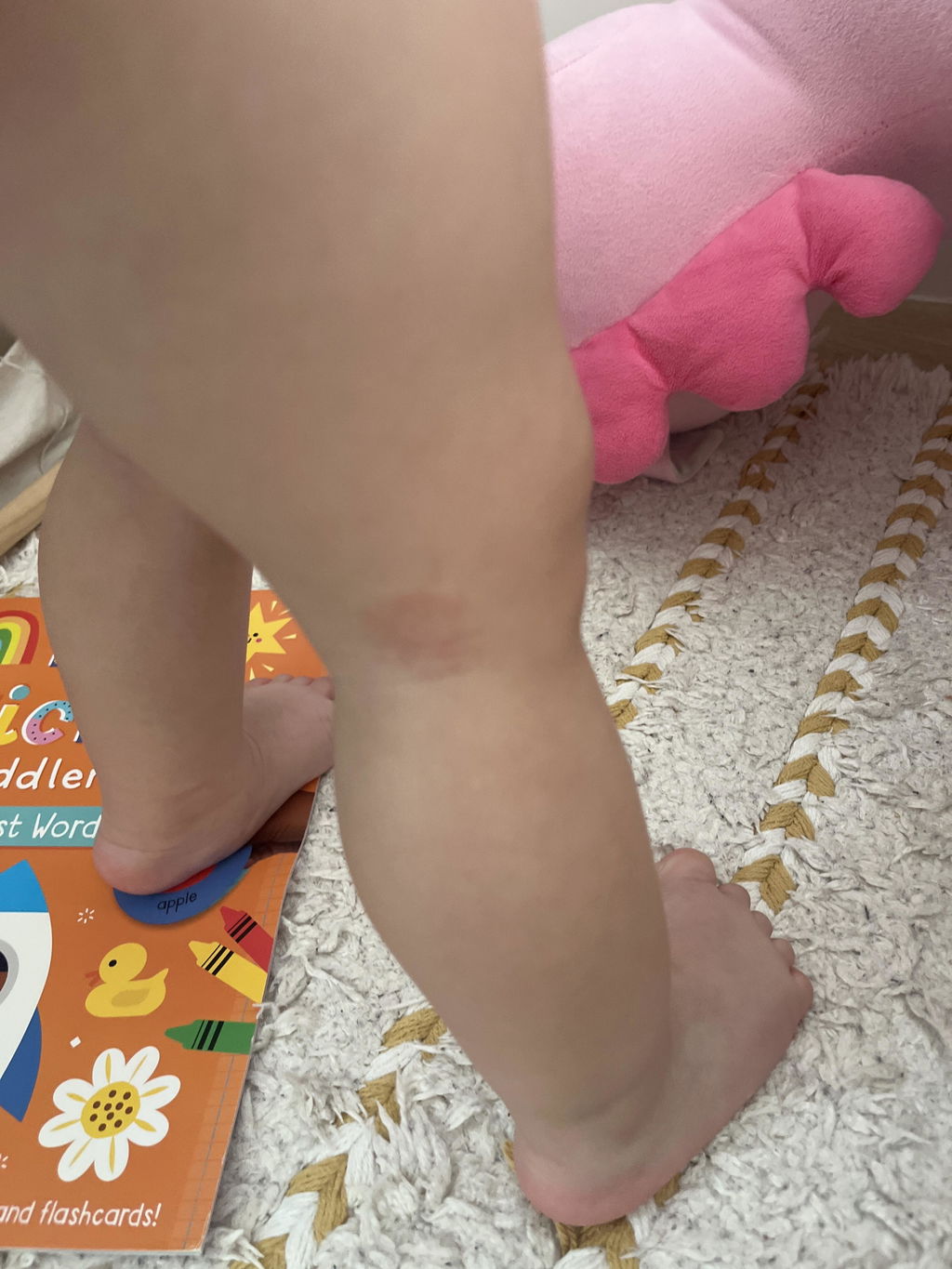
What it looks like: Dry, red, scaly, or thickened patches (often in crease areas like inner elbows, behind knees, and neck).
Duration: Flares build up over hours or days and persist for days or weeks.
2. Heat Rash / Prickly Heat (Miliaria)
What it is: Blocked sweat ducts. When sweat glands get clogged, sweat gets trapped beneath the skin surface, causing localized swelling and a sharp "prickly" sensation.
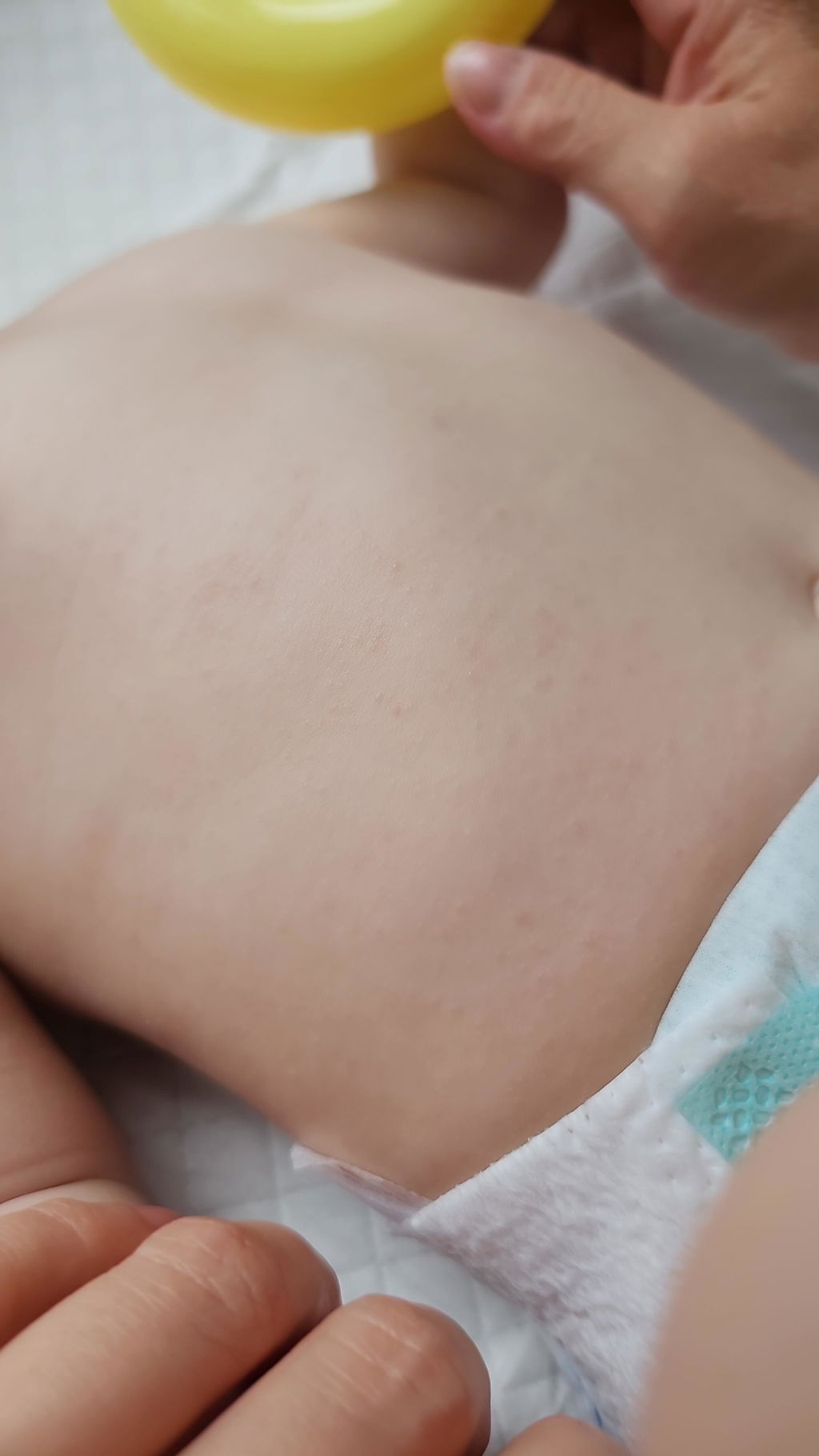
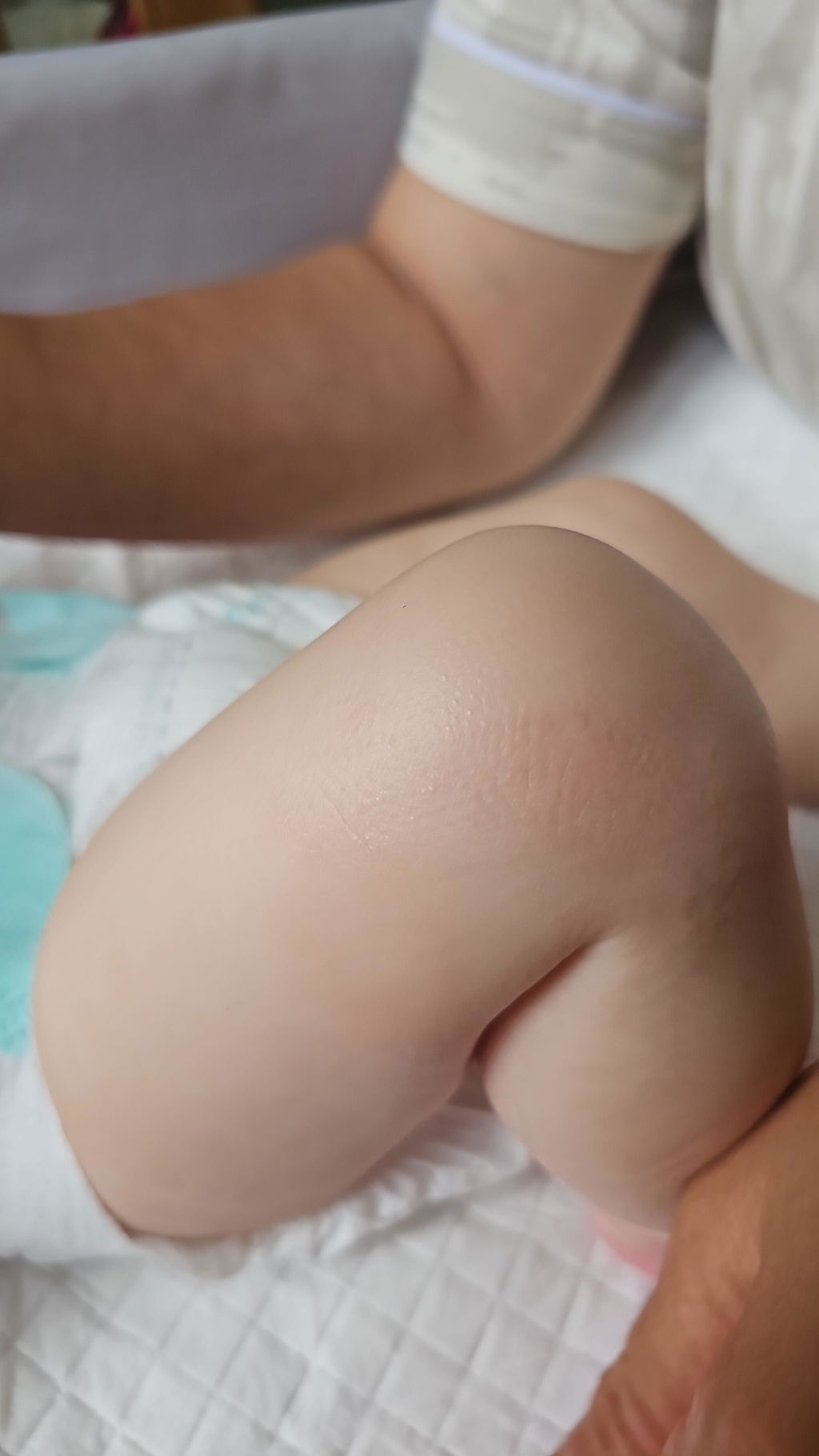
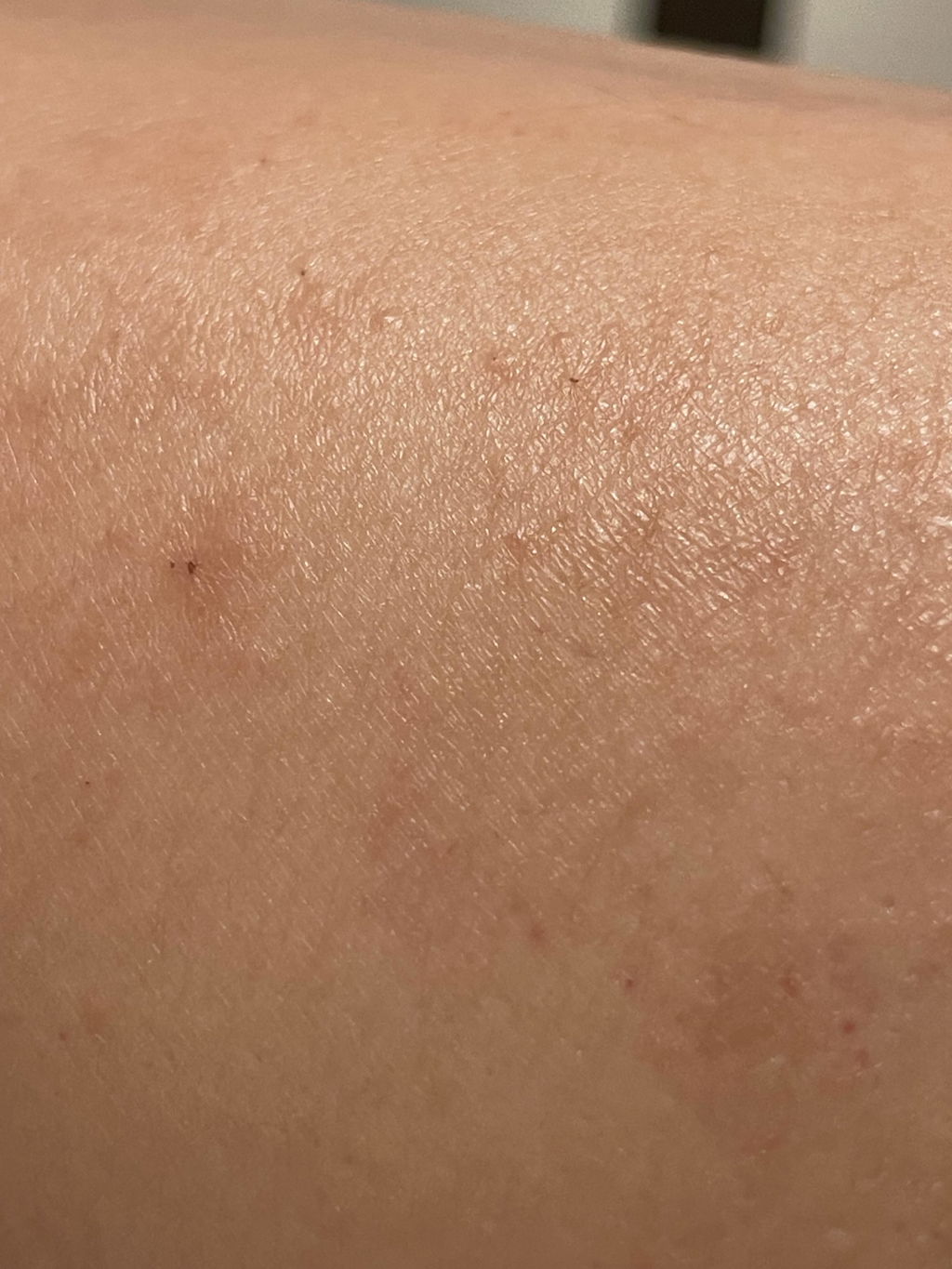
What it looks like: A dense cluster of tiny, uniform red dots or clear micro-blisters, usually on covered areas like the chest, back, or skin folds.
Duration: Clears up rapidly (usually within 24–48 hours) once you cool down and stop sweating.
3. Heat & Sweat "Allergy" (Cholinergic Urticaria)
What it is: A true histamine release (hives) triggered when your core body temperature rises or when nerves in the skin react to sweat. In some cases, the immune system mounts a real allergic reaction to proteins or yeast dissolved in sweat.
What it looks like: Raised, swollen welts or "hives" surrounded by broad red rings. Itches intensely or stings almost instantly when you start sweating.
Duration: Appears within minutes of sweating and typically fades within 30–60 minutes after cooling down.
Key Differences at a Glance
| Feature | Eczema Flare | Heat Rash (Miliaria) | Heat/Sweat Hives (Urticaria) |
|---|---|---|---|
| Root Cause | Damaged skin barrier + salt irritants | Clogged sweat pores | Histamine/allergic nerve reaction |
| Appearance | Red, dry, scaly or leathery patches | Small, uniform red dots or pinhead blisters | Raised, swollen welts/hives |
| Onset | Gradual (hours to days) | Moderate (during/after heat) | Sudden (minutes after temperature rises) |
| Clears Up | Requires days of barrier repair | Clears within 1–2 days in AC | Disappears within an hour of cooling off |
Can you have both? Yes. Having eczema actually makes you more prone to heat rash because inflamed skin and thick ointments can clog sweat ducts more easily.
If you suspect you're experiencing hives (raised welts that come and go within hours) rather than dry eczema patches, an over-the-counter non-drowsy antihistamine (like cetirizine or loratadine) before heat exposure can help block that histamine response.
Can they share the same skincare routine?
Yes, but with one critical rule: the routine must be lightweight, non-comedogenic (won't clog pores), and non-occlusive.
Because heat rash is caused by blocked sweat ducts, heavy ointments or thick creams—which are usually great for eczema—will actually make heat rash much worse. However, a lightweight, breathable routine works safely for all three conditions.
The Shared "Safe Zone" Routine
Here is a baseline routine that accommodates eczema (repairs the barrier), heat rash (prevents pore blockages), and sweat hives (soothes inflammation):
[ Gentle Rinse ] → [ Lightweight Gel/Lotion ] → [ Mineral Sunscreen ]
1. Cleansing: Cool Water & Soap-Free Cleansers
Works for all 3 because: Cool water immediately lowers skin temperature to calm histamine (hives), dilutes sweat salts (eczema), and prevents sweat duct swelling (heat rash).
Product Style: Fragrance-free, low-pH, non-foaming body washes or micellar cleansers used only on high-sweat areas.
2. Moisturizing: Gel-Lotion or Light Ceramide Milk
Works for all 3 because: It hydrates and repairs the lipid barrier without leaving an oily film that traps sweat inside pores.
Key Ingredients to Look For: Ceramides, colloidal oatmeal, aloe vera, niacinamide, and hyaluronic acid.
Texture to Look For: Oil-free gels, "hydra-lotions," or lightweight milks.
3. Sun Protection: 100% Mineral Zinc Oxide
Works for all 3 because: Non-nano zinc oxide reflects UV rays physically (no chemical heat generated), is naturally anti-inflammatory, and sits cleanly on the skin.
Where the Routines Differ (Key Tweaks)
While the core steps overlap, each condition responds to specific targeted additions or adjustments:
- Sweat Eczema: Do Use: Ceramide-rich lotions, soothing colloidal oatmeal baths. Crucial Warning: Don't use heavy petrolatum-based ointments (Vaseline/Aquaphor) outdoors in heat—save heavy occlusives for nighttime in AC.
- Heat Rash: Do Use: Calamine lotion, 1% hydrocortisone (short-term), cooling aloe vera gel. Crucial Warning: Avoid heavy creams or thick oils entirely until pores unblock. Focus on cooling down and staying in AC.
- Sweat Hives: Do Use: Oral non-drowsy antihistamines (taken before heat exposure), cool compresses. Crucial Warning: Skincare alone won't fully stop hives because the reaction is internal (histamine release).
The Takeaway: If you suspect you get a mix of all three, stick strictly to oil-free, lightweight lotion or gel textures during daytime heat. This repairs the eczema barrier while keeping sweat ducts clear and skin cool.
What textures and labels to look for?
When buying skincare for weather where both heat rash (clogged pores) and eczema (damaged barrier) are a concern, look for products that repair the lipid barrier without sealing the pores shut.
1. Key Textures to Look For
The texture determines whether heat and sweat can escape through your skin.
- "Gel-Lotion" or "Hydra-Lotion": Water-rich, thin liquid formulas that absorb completely within seconds without leaving a heavy film.
- "Ceramide Milk" or Fluid: Extremely thin, pourable moisturizers that deliver essential lipids without the heavy waxes or petrolatum found in creams.
- "Whipped" or "Sheer Fluid" Mineral Sunscreen: Ultra-light, non-greasy zinc oxide formulas that spread smoothly without requiring aggressive rubbing.
2. Key Packaging Labels & Seals
When checking front and back labels, prioritize these specific designations:
- Non-Comedogenic: Crucial for Heat Rash. Guarantees the product is tested to not block sweat glands or pores.
- NEA Seal of Acceptance™: Issued by the National Eczema Association; ensures the product is free from common contact allergens and eczema irritants.
- Fragrance-Free (Not "Unscented"): "Unscented" products often contain masking fragrances. "Fragrance-free" ensures no synthetic perfumes or essential oils are added.
- 100% Mineral / Non-Nano Zinc Oxide: Ensures the sunscreen reflects UV light physically without generating heat or penetrating damaged skin.
- Oil-Free / Fluid: Helps prevent the trapping of ambient heat and sweat against the skin.
Product Recommendations
No No Itchy Gel

A lightweight, water-based gel perfect for heat rash and sweat hives. It cools instantly without clogging pores.
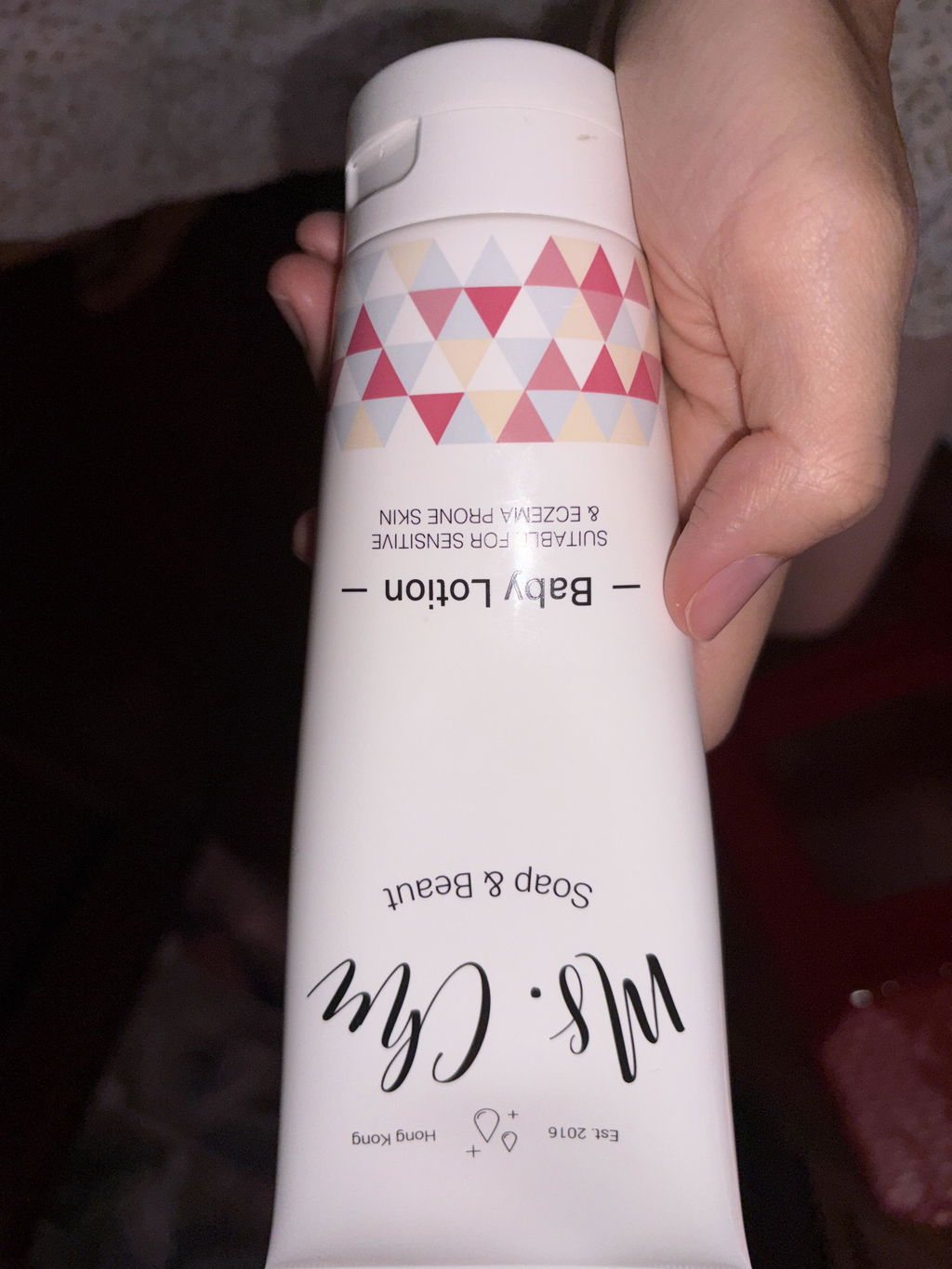
Organic Baby Lotion

A breathable, lightweight lotion that repairs the skin barrier for sweat-triggered eczema without trapping heat.
No No Tan Sunscreen SPF50+

100% mineral zinc oxide protection that sits cleanly on the skin, reflecting UV rays without generating chemical heat.
Baby Shampoo & Body Wash

A gentle, soap-free cleanser that rinses away sweat salts without stripping the skin barrier. Perfect for the first step in the shared "safe zone" routine for babies and adults alike.
Nourishing Body Wash

A hydrating, fragrance-free body wash formulated for eczema-prone skin. Cleanses gently while maintaining the skin's natural moisture balance — ideal for daily use in hot, humid weather.
Frequently Asked Questions
Is heat rash the same as eczema?
No. Heat rash (miliaria) is caused by blocked sweat ducts trapping sweat under the skin, resulting in tiny red bumps. Eczema is a chronic condition caused by a damaged skin barrier, leading to dry, scaly, and inflamed patches. While both can flare up in hot weather, they require different treatments.
Can sweat cause hives?
Yes. Cholinergic urticaria is a type of hives triggered by an increase in body temperature and sweating. It causes raised, itchy welts that appear quickly after sweating and usually fade within an hour of cooling down.
Should I use heavy creams for heat rash?
No. Heavy creams and ointments can further block sweat ducts, making heat rash worse. Instead, use lightweight, non-comedogenic gels or lotions that allow the skin to breathe and sweat to evaporate.
Related Reading
Dealing with heat rash on an infant? Babies are especially prone to miliaria due to their developing sweat ducts. Read our complete Baby Heat Rash Guide for infant-specific prevention and care.
Want to understand the deep science behind sweat allergies? Read our clinical deep-dive: What Is Sweat & Heat Allergy? Treatments & Symptoms Guide.


Leave a comment