




 MEMBER REWARDS

What Is Sweat & Heat Allergy? Treatments & Symptoms Guide

📖 Related Reading
Table of content
Why does your skin itch after exercise?
Understanding sweat allergy
Many people get red, itchy skin after working out. This could be a reaction to sweat allergy or heat sensitivity. When we exercise intensely, our body heats up and sweats a lot. The salt and other substances in sweat can irritate the skin and trigger an allergic reaction.
This condition is called cholinergic urticaria in medical terms - a special type of heat-related rash.
The Three Clinical Manifestations of Sweat Sensitivity
To treat or formulate for sweat-reactive skin, we must first isolate the exact trigger mechanism. What consumers call a "sweat allergy" typically falls into one of three distinct categories:
1. Cholinergic Urticaria (Neurogenic Heat Hives)
This represents a true physiological hypersensitivity, though the trigger is neurochemical rather than an exogenous allergen.
The Mechanism: An increase in core body temperature prompts the sympathetic nervous system to release acetylcholine (ACh) to stimulate eccrine sweat glands. In individuals prone to cholinergic urticaria, this sudden surge of ACh triggers hyper-reactive cutaneous mast cells.
The Histology: Mast cells undergo rapid degranulation, releasing histamines and inflammatory mediators into the surrounding tissue.
Clinical Presentation: Pinpoint-sized wheals (1–3 mm) surrounded by pronounced, macular erythema. This is accompanied by an intense pruritus (itching) or a distinct "stinging, needle-like" sensation. It appears rapidly upon exertion and typically self-resolves within 30 to 60 minutes once homeostasis and basal temperature are restored.
2. Irritant Contact Dermatitis (Salinity-Induced Barrier Failure)
This is a non-immunological, physical and chemical disruption of the stratum corneum (the outermost skin layer).
The Mechanism: Human sweat is a complex fluid containing sodium chloride, urea, lactic acid, and minerals. As the aqueous component evaporates, these solutes concentrate exponentially on the skin surface, shifting the skin's naturally acidic pH toward a more alkaline state.
The Histology: This hyper-concentrated salinity strips away the extracellular lipid matrix and dehydrates corneocytes (skin cells). Lactic acid and urea, while beneficial at low levels, become highly irritating at high concentrations, inducing a localized inflammatory cascade.
Clinical Presentation: Diffuse, confluent sheets of erythema, xerosis (dryness), and epidermal scaling. It is highly localized to high-friction, high-moisture anatomical zones (the neck, cubital fossae, popliteal folds, and submammary regions) and lingers for days until the lipid architecture is repaired.
3. Allergic Contact Dermatitis via Vehicle Translocation
In this scenario, sweat acts as a powerful solvent and penetration enhancer for external allergens.
The Mechanism: Perspiration leaches volatile compounds, synthetic disperse dyes, or formaldehyde resins from textiles. Simultaneously, it emulsifies and re-mobilizes residual laundry detergents, fabric softeners, or topical fragrances resting on the skin.
The Histology: Sweat breaks down the lipid barrier, allowing these mobilized haptens (small molecules that elicit an immune response) to penetrate the epidermis effortlessly, where they bind to epidermal proteins and trigger a classic Type IV delayed hypersensitivity reaction.
The Vulnerable Cutaneous Profiles
Susceptibility to sweat-induced dermatoses is highly dependent on an individual's specific skin phenotype:
- Atopic and Filaggrin-Deficient Profiles: Individuals with a history of atopic dermatitis often have genetic mutations in the FLG gene, leading to a structural deficiency in filaggrin. This results in an inherently leaky skin barrier with chronic micro-fissures, allowing concentrated sweat solutes direct, unhindered access to living epidermal layers and immune cells.
- Hyper-Reactive Cutaneous Nervous Systems: Some individuals possess an over-expression of TRP (Transient Receptor Potential) channels on their cutaneous nerve fibers. These microscopic thermal and chemical sensors have an abnormally low activation threshold, signaling intense "prickling" pain to the brain the moment sweat production begins.
- Hyperhidrosis and Epidermal Maceration: Chronic over-producers of sweat suffer from prolonged tissue moisture exposure. This induces maceration—the waterlogging and softening of the stratum corneum. Macerated tissue loses its tensile strength, making it highly susceptible to mechanical friction (chafing), which physically strips away protective surface lipids.
- The Climate Factor: High ambient humidity dramatically exacerbates these profiles. When the air is saturated, sweat cannot evaporate efficiently to cool the skin. Instead, it remains as a stagnant, warm, hypertonic film that accelerates both tissue maceration and neurogenic stinging.
Common Symptoms of Sweat Allergy
Red Spots on Skin: Small red dots or bumps appear after exercise
Intense Itching: Especially in sweaty areas like the neck, chest, and back
Burning Sensation: Noticeable heat or discomfort on the skin
Hives or Raised Rashes: In severe cases, large swollen patches may develop
Duration: Symptoms usually go away on their own within 30 minutes to a few hours
“I have been using baby eczema combo and both my face and body stop itchiness, redness soon after. I’m very happy with the results and hoping can completely get rid of my eczema soon. 🥹🥹🥹” (translated)
Typical Skin Symptoms of Sweat Allergy
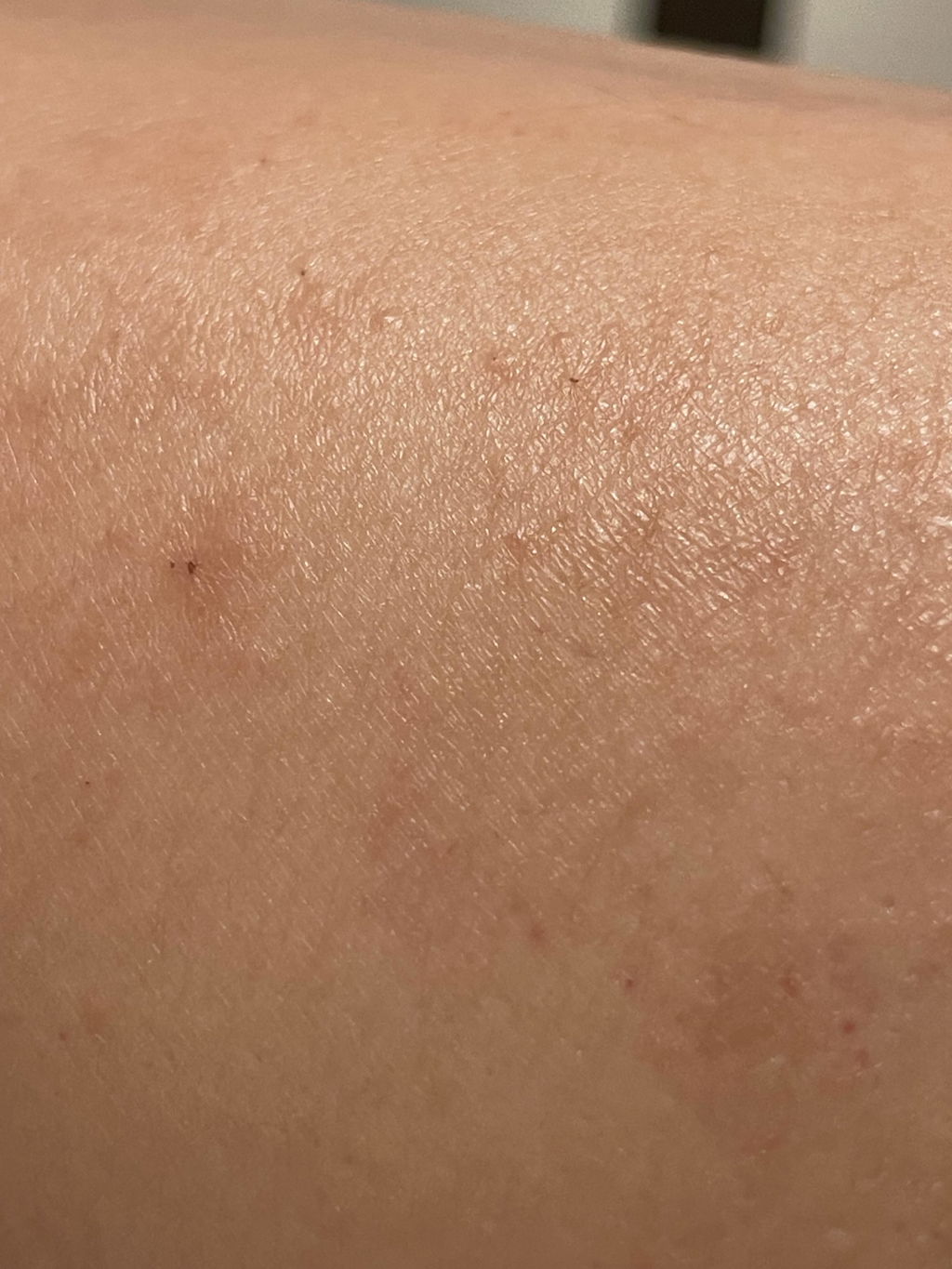
The most noticeable sign of sweat allergy is a cluster of tiny red spots, about 1–3 mm in size, often surrounded by redness. These rashes usually appear on the upper body, especially the chest, back, and neck, but can also spread to the arms and legs.
The affected areas feel very itchy, like “a thousand ants crawling,” and often have a burning sensation. The skin may feel warm to the touch.
Many people describe the reaction starting with flushed skin, quickly followed by raised red bumps. Sometimes, these bumps join together to form larger, irregular red patches.
These symptoms often come on quickly - usually 15 to 20 minutes after sweating, and fade away within 30 minutes to 2 hours once sweating stops.
Whole-Body Reactions and Other Symptoms
Besides skin symptoms, some people may also experience full-body reactions. Common signs include dizziness and mild headaches, which may be related to the body having trouble regulating temperature.
Some may feel nauseous or lose their appetite for a short time. In more serious cases, symptoms like a fast heartbeat or difficulty breathing may appear. These are signs that the allergy is affecting the whole body and need immediate medical attention.
A few people may also have “reflex symptoms,” meaning allergic reactions show up in areas not directly exposed to sweat. For example, the palms or soles might feel tingly, or the mouth might feel slightly swollen. These symptoms usually suggest a more severe allergy.
Severity Levels of Sweat Allergy Symptoms
Based on clinical signs, sweat allergy can be divided into three levels:
Mild: Localised itching and small red spots; daily activities are not affected.
Moderate: Widespread skin reaction with clear discomfort, but no symptoms in other parts of the body.
Severe: In addition to skin symptoms, there are systemic reactions such as difficulty breathing or changes in blood pressure.
Difference Between Sweat Allergy and Eczema Flare-Ups After Exercise
Many people with eczema find their symptoms get worse after exercise, but this is different from a simple sweat allergy:
Feature |
Sweat Allergy |
Eczema Flare-Up |
Onset Time |
During or right after exercise |
May be delayed by several hours |
Rash Appearance |
Small red spots or hives |
Dry, flaky, or thickened skin |
Duration |
Temporary (a few hours) |
May last several days |
Itching Severity |
Intense but short-lived |
Moderate to severe, persistent |
Topical Chemistry: Ingredients to Deploy vs. Displace
When selecting or designing products for sweat-sensitive individuals, the ingredient selection must be highly strategic.
Formulating for Defense (The Shields)
- Zinc Oxide: An exceptional mineral protectant. It creates a physical, hydrophobic, non-occlusive barrier that repels salty moisture and exogenous fluids. Furthermore, zinc ions exhibit natural anti-inflammatory properties and serve as a mild astringent to soothe raw epidermis.
- Physiological Lipids (3:1:1 Ratio): A precise biomimetic blend of Ceramides, Phytosterols, and Free Fatty Acids. This specific molecular ratio is required to smoothly integrate into the damaged lipid bilayers of the stratum corneum, restoring structural integrity so that sweat salts can no longer penetrate.
- High-Molecular-Weight Dimethicone: Provides a breathable, low-surface-tension silicone lattice over the skin. It drastically reduces mechanical shear and friction between skin-to-skin and skin-to-clothing interfaces, preventing the micro-abrasions that invite chemical irritation.
- Centella Asiatica (Madecassoside / Asiaticoside): These specific triterpenoid molecules down-regulate pro-inflammatory cytokines, effectively mitigating the broad-sheet erythema associated with irritant dermatitis.
- Colloidal Oatmeal (Beta-Glucan & Avenanthramides): Forms a highly protective, soothing mucilaginous film over the skin. Avenanthramides are potent, unique phenolic antioxidants that actively inhibit the NF-κB pathway, dropping the sensation of pruritus and stinging almost immediately.
Formulating for Failure (The Triggers to Avoid)
- High Concentrations of Low-Molecular-Weight Glycols: Propylene Glycol, Propanediol, or Dipropylene Glycol can cause severe burning and stinging on an already salt-compromised or filaggrin-deficient skin barrier.
- Heavy, Occlusive Hydrocarbon Waxes: High-viscosity petrolatum or heavy microcrystalline waxes should never be applied immediately prior to exercise or heat exposure. They form an impermeable occlusive seal that can physically block the acrosyringium (the opening of the sweat duct), trapping sweat beneath the skin and causing Miliaria (Heat Rash).
- Volatile Essential Oils & Synthetic Fragrances: Ingredients like linalool, limonene, or tea tree oil easily penetrate sweat-sensitized skin, drastically increasing the risk of secondary allergic sensitization.
Sweat Allergy Product Recommendations
No No Itchy Gel
This natural gel helps soothe itchiness, and ingredients such as aloe vera, tea tree oil, calendula and chamomile oil moisturise skin and promote healing.
Benefits
- All natural organic fast acting soothing formula
- Design to calm eczema itchiness and redness
- Suitable for soothing mosquito bites
- Effective in relieve light scald area

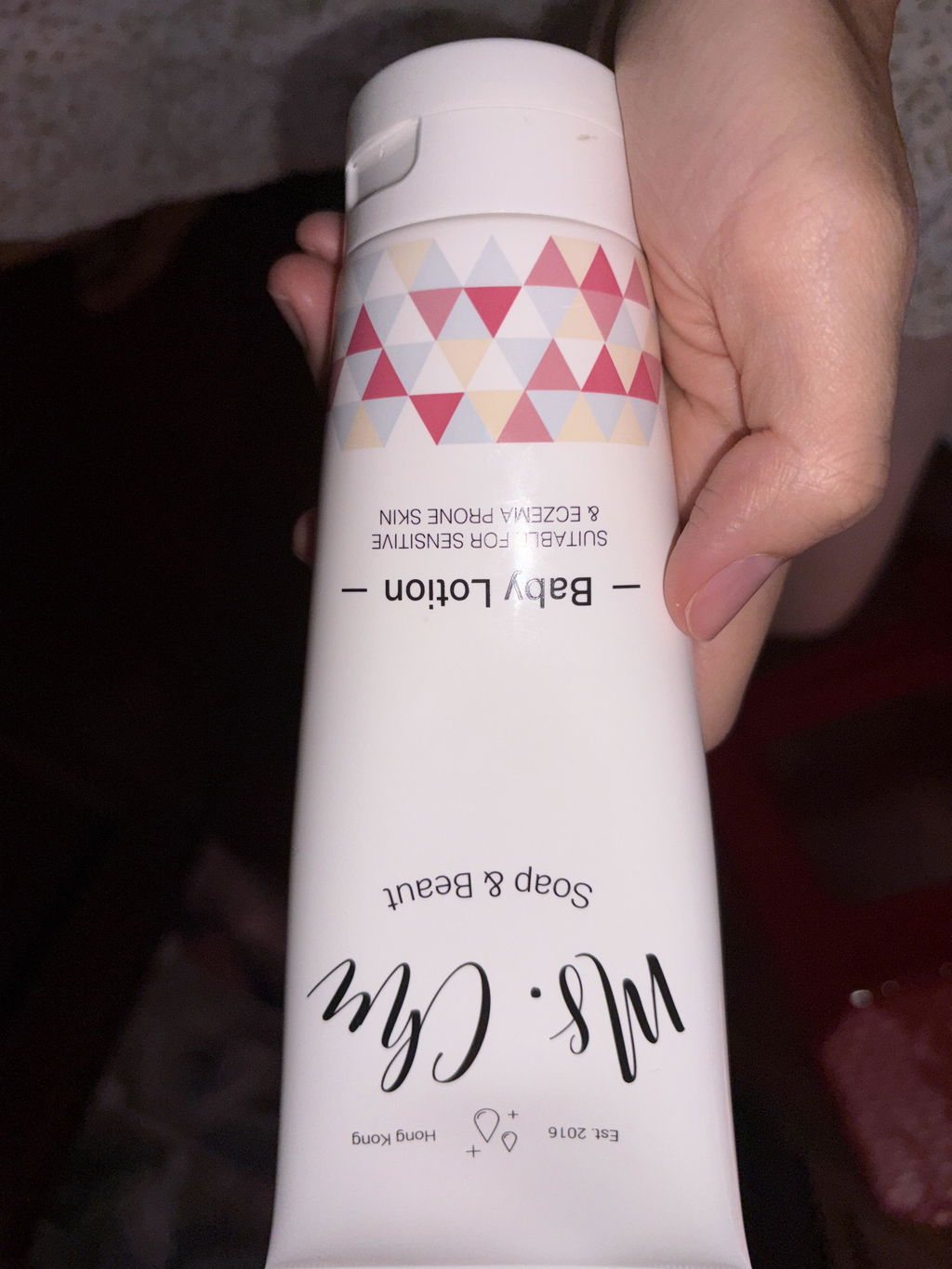
Organic Baby Lotion
Organic Baby Lotion is a rich and nourishing humectant for chapped and dried skin on the hands, face and body. The combination of organic cocoa butter, shea butter, aloe vera, oatmeal colloidal, calendula and chamomile oils work to soothe dry and itchy skin as well as to help skin replenish and nourish.
Benefits
- Clinically proven to effectively relief eczema
- Keep moisture in skin by reducing water loss
- Heal rashes and redness
- Help protect your skin from external aggressors

Organic Baby Toner
All natural and organic ingredients, no added chemical preservatives and no artificial flavours or colours, this baby toner infused with concentrated aloe vera, calendula, and chamomile flower extracts. Apply thin layer to calm the skin, and regular use can prevent heat rash. If eczema or diaper rash condition persists, spray thin layer before applying Ms. Chu Baby Lotion to accelerate the absorption and recovery.
Benefits
- Lock in moisture and prevent dryness feeling skin soft, smooth, and supple
- Especially designed for heat rash
- Suitable for summer time outdoor application to ease eczema and sensitive skin
- Help lotion absorption when applied prior

Baby Day Cream
A lightweight gel-based moisturising lotion that feels light on skin yet nourishing enough to keep skin soft and soothe heat-reactive skin. Actives such as hyaluronate and Aloe Vera Juice help skin retain moisture while allowing it to breathe — perfect for sweat-sensitive and heat rash-prone skin.
Benefits
- Soothes heat rash and sweat-induced irritation
- Lightweight gel texture absorbs quickly without clogging pores
- Creates a protective barrier against friction and excessive moisture
- Cooling and calming properties reduce redness and itching

Baby Mineral Sunscreen SPF50+
Leveraging a gentle, hypoallergenic concoction, our Baby Sunscreen SPF50+ defends the sensitive skin of newborns from the damaging effects of the sun while they enjoy outdoor activities.

No No Tan Sunscreen SPF50+
Protect your skin from the sun's harmful rays with Ms. Chu No No Tan Sunscreen. This organic natural, broad spectrum, water resistant SPF 50 sunscreen lotion absorbs well into your face and body without feeling drying or irritating.


"Don't forget your sunscreen! Even on cloudy days, UV rays can be intense."

🛡️ Get All 5 Products in One Combo
Our Sweat & Heat Allergy Combo includes everything you need for complete exercise skin protection — No No Itchy Gel, Baby Day Cream, Organic Baby Toner, Baby Sunscreen SPF50+, and No No Tan Sunscreen SPF50+.
Shop the Combo →The Complete Skin Barrier Stabilization Routine
To manage sweat sensitivity effectively, the consumer routine must focus on pre-exposure shielding, immediate post-exposure cleansing, and nocturnal barrier replenishment.
Morning (AM): Proactive Protection and Barrier Fortification
The objective is to establish an invisible, resilient shield before any sweat production occurs.
- Step 1: Ultra-Mild Cleansing. Wash with a non-foaming, lipid-replenishing syndet (synthetic detergent) cleanser or a gentle cleansing milk. Scientific Rationale: Avoid traditional anionic surfactants (like Sodium Lauryl Sulfate) which strip the baseline sebum. The skin requires its natural lipid coating to fight off sweat salinity later in the day.
- Step 2: Hydrating Mist / Serum. Apply a lightweight, watery serum rich in Beta-Glucan, Allantoin, or Panthenol (Vitamin B5). Scientific Rationale: Panthenol acts as a humectant that promotes deep epidermal hydration and up-regulates lipid synthesis, reinforcing the skin's internal resilience without adding occlusive weight.
- Step 3: The Moisture Shield. Apply a fluid lotion featuring a Ceramide-dominant lipid blend paired with Dimethicone. For areas prone to high friction or severe dermatitis (like the neck), apply a targeted cream containing 10–20% Zinc Oxide. Scientific Rationale: The dimethicone and ceramides repair existing structural vulnerabilities while the zinc oxide creates a hydrophobic shield, forcing sweat to bead up and roll off the skin rather than pooling and breaking down the lipid matrix.
- Step 4: Non-Nano Mineral Sunscreen. Finish with a fluid, 100% mineral sunscreen (Zinc Oxide and Titanium Dioxide) that is fragrance-free.
Mid-Day / Post-Sweat: Immediate Mitigation
The objective is to disrupt the chemical irritation process the moment sweat production stops.
- Step 1: The Salinity Rinse (Critical). As soon as a workout or outdoor exposure concludes, rinse the skin thoroughly with cool or lukewarm plain water. If a shower is unavailable, use a soft cloth saturated with thermal spring water to gently blot the skin. Scientific Rationale: This physically removes the sodium chloride and urea residues before the water completely evaporates, stopping the crystallization and subsequent chemical burning of the stratum corneum.
- Step 2: Thermal Calming. Mist the skin with a Cica (Centella Asiatica) or Aloe Barbadensis distillate, followed by a lightweight, oil-free soothing gel. Scientific Rationale: This drops the skin's surface temperature rapidly, which de-activates the hyper-sensitive TRP channels and halts the neurogenic "prickling" sensation, while down-regulating the histamine response.
Evening (PM): Deep Cellular Regeneration and Repair
The objective is to repair any micro-damage sustained during the day and deeply reinforce the lamellar matrix overnight.
- Step 1: Physiological Cleansing. Cleanse with a gentle, pH-balanced (pH 5.5) lipid-restoring cleanser to remove any remaining mineral sunscreens or barrier shields without disrupting the acid mantle.
- Step 2: Intracellular Lipid Replenishment. Apply a rich, physiological barrier cream containing the classic 3:1:1 ratio of Ceramides, Cholesterol, and Fatty Acids, ideally supplemented with Colloidal Oatmeal or Madecassoside. Scientific Rationale: During sleep, the skin's rate of trans-epidermal water loss (TEWL) increases, and the rate of cell division peaks. Providing the exact lipid building blocks at night allows the skin to smoothly integrate these molecules into the intercellular spaces, ensuring that you wake up with a fully fortified, resilient skin barrier ready to face the next day's heat.

Ms. Chu’s Advice: Balancing Exercise and Skin Health
Ms. Chu, founder of Ms. Chu Soap & Beauty, encourages people with sweat allergies or eczema not to avoid exercise completely. Instead, she recommends:
Exercising during cooler times of the day
Trying water-based activities like swimming to reduce sweat buildup
Building up your workout routine gradually so your skin can slowly adjust
Keeping your workout environment clean to avoid contact with other allergens
With the right prevention and skincare steps, most people can manage post-exercise skin discomfort effectively - and still enjoy the benefits of staying active without skin problems.

A chemical engineer specialising in cosmetic science who is passionate about green chemicals (i.e. chemicals that are environmentally friendly) and fanatic about what goes into the products that she uses, eats, and consumes daily.
Graduated from the University of Toronto Applied Science and Chemical Engineering, she has been formulating her own skin care and personal care using naturally derived and environmentally friendly ingredients. More and more of her friends and families benefited from the natural skincare regime ever since.
Read moreRelated readings
Who Gets Sweat Allergy, Heat Rash, and Facial Hives? A Comparison by Age
These three heat-related skin conditions affect different demographics in very different ways. Understanding which condition is most likely based on your age and gender helps you choose the right treatment approach:
| Age Group | Sweat Allergy (汗水過敏) | Heat Rash (熱痱/汗疹) | Facial Hives (面部蕁麻疹) |
|---|---|---|---|
| Young Kids (0–9) | Very Rare | Extremely Common — due to undeveloped, easily blocked sweat ducts | Moderate — usually triggered by viral infections, food allergies, or accidental contact with irritants like pet dander |
| Teens & Young Adults (15–35) | Highest Peak — heavy male predominance; triggered by rapid core temp spikes during sports | Common — driven by active lifestyles, gym workouts, and tight athletic wear | High — predominantly females; often linked to new skincare, cosmetics, or environmental allergens |
| Older Adults (40+) | Rare — naturally declines as nervous system and sweat responses slow down | Moderate — usually driven by heavy, anti-aging occlusive creams or thick clothing layers | Highest Peak — strong female predominance; heavily tied to fluctuating hormones like estrogen drops, chronic idiopathic hives, or autoimmune factors |
Looking for facial-specific advice? Read our Facial Urticaria Guide. Have a baby with heat rash? See our Baby Heat Rash Guide.
Say Goodbye To Sweat Itchiness
Ready to solve your sweat itchiness?
Explore our complete eczema care resource: Natural Eczema Skincare in Hong Kong | Ms. Chu — The Complete Guide
>

Leave a comment